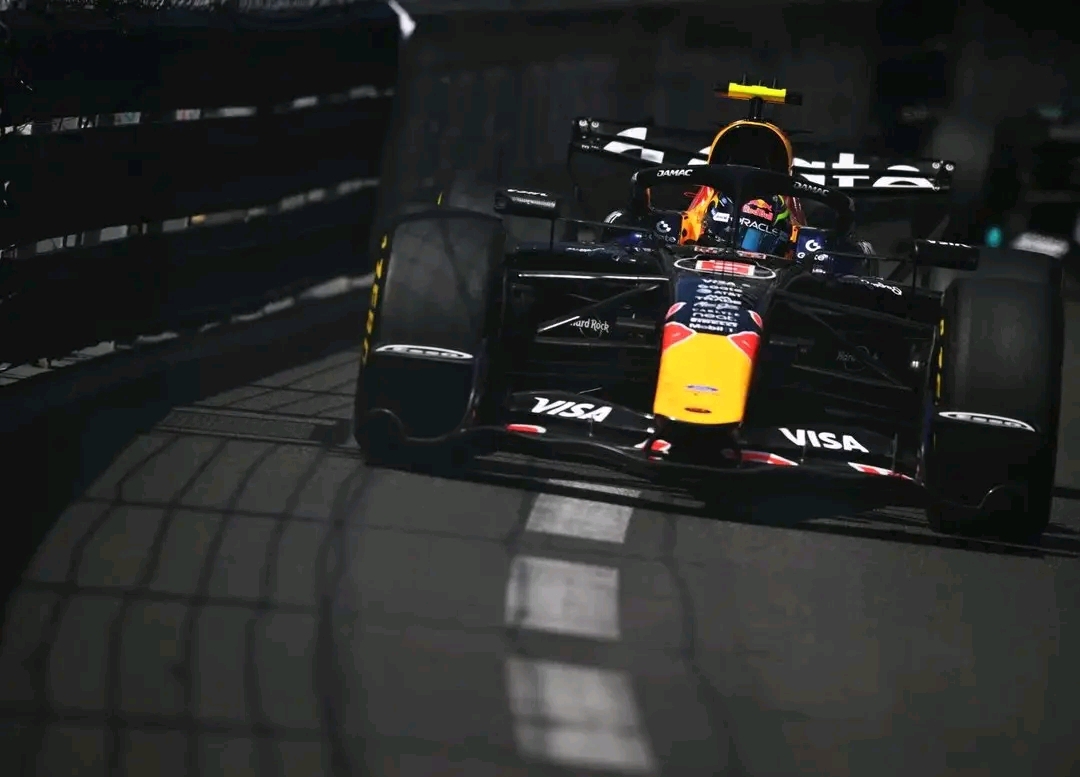
The Monaco Grand Prix is already the most punishing circuit on the Formula 1 calendar, but for Red Bull’s Isack Hadjar, the 2026 edition became something even more extreme: a survival test inside a malfunctioning car while fighting for a podium finish.
What should have been a controlled street race turned into a mechanical endurance battle, with Hadjar managing power unit issues, unpredictable track interruptions, and constant pressure from rivals to secure a stunning third-place finish in Monte Carlo.
This is not just a story of a podium. It is a story of damage control, teamwork under pressure, and why modern Formula 1 is as much about managing problems as it is about outright speed.
A MONACO WEEKEND THAT STARTED WITH CHAOS
Hadjar’s Monaco weekend began in the worst possible way when he suffered a heavy crash in first practice. In a street circuit where confidence is everything, that early setback could have easily ended his chances before qualifying even began.
Red Bull mechanics were forced into emergency repairs, rebuilding the car overnight to ensure he could return to running in FP2. Even then, Hadjar did not immediately look comfortable, spending valuable laps rebuilding rhythm rather than chasing performance.
But Monaco rewards persistence. By qualifying, Hadjar had clawed back enough confidence to place himself in the fight for a strong result.
THE REAL PROBLEM: POWER UNIT STRUGGLES MID-RACE
While Monaco is famous for overtaking difficulty, Hadjar’s biggest opponent was not another driver. It was his own car.
Throughout the race, Hadjar experienced intermittent engine and power unit issues that forced him to constantly adapt his driving style. According to Red Bull team principal Laurent Mekies, the team had to guide him through continuous adjustments from the pit wall just to keep the car running effectively.
That meant:
Changing engine settings mid-stint
Managing energy deployment manually
Reducing performance to avoid reliability failure
Constant radio communication under pressure
In simple terms, Hadjar was not just racing. He was operating a compromised machine while trying to stay in podium contention.
On a circuit like Monaco, where even the smallest mistake costs seconds, this is the equivalent of walking a tightrope at full speed.
RED FLAG CHAOS AND STRATEGIC SURVIVAL
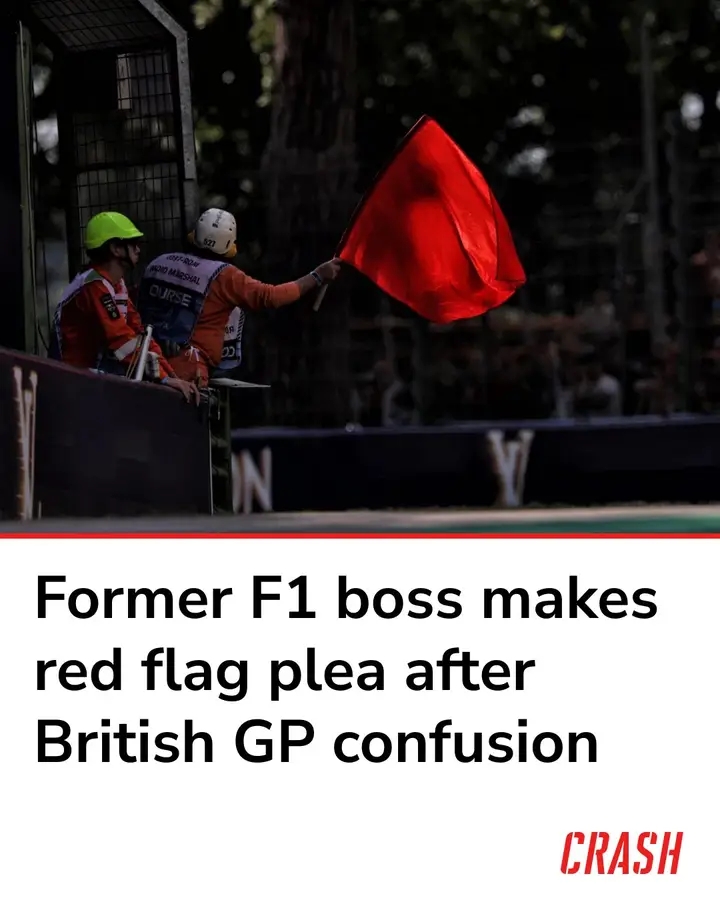
As if mechanical issues were not enough, the race was interrupted by a major red flag following incidents involving multiple drivers and track damage.
For Red Bull, this moment became critical. The team had to ensure Hadjar’s car remained compliant while also attempting limited fixes under strict FIA supervision during the stoppage.
Although the situation briefly raised scrutiny in the paddock, post-race checks ultimately cleared Red Bull of wrongdoing, allowing Hadjar’s result to stand.
When racing resumed, the pressure intensified again. With a condensed sprint-style finish, every lap became a qualifying lap, and every mistake could drop him out of the podium places.
HOW HADJAR TURNED DAMAGE CONTROL INTO A PODIUM
What stood out most was not raw pace, but composure.
Hadjar did not panic when the car misbehaved. Instead, he followed instructions, managed the gaps behind him, and avoided unnecessary risks while others around him made costly errors.
He also benefited from incidents and penalties affecting rivals, but that alone does not explain the result. Monaco demands consistency over 60+ laps, and surviving that length of compromised performance is a skill in itself.
By the chequered flag, Hadjar had done enough to secure third place on the road, later confirmed after post-race adjustments and investigations.
It was a podium built on patience, adaptability, and technical survival rather than pure speed.
WHY THIS PODIUM MATTERS FOR RED BULL
For Red Bull, Hadjar’s result carries significance beyond the trophy ceremony.
Max Verstappen’s retirement from the race due to early issues meant the team needed a strong secondary result. Hadjar delivering a podium under mechanical stress:
Reinforces Red Bull’s depth beyond Verstappen
Highlights progress of its driver development pipeline
Shows resilience in high-pressure reliability scenarios
Provides valuable data on power unit limits under street circuit stress
In a season where marginal gains define championship outcomes, every unexpected podium matters.
THE DRIVER IMPACT: HADJAR’S GROWING REPUTATION
Hadjar’s performance in Monaco will likely change how he is viewed inside the paddock.
He is no longer just a young driver showing promise. He is now a driver capable of:
Managing technical failures without collapsing
Delivering results under extreme pressure
Executing team instructions with precision
Turning compromised weekends into podium finishes
That is the profile of a future team leader, not just a support driver.
WHAT THIS MEANS FOR THE CHAMPIONSHIP PICTURE
While Kimi Antonelli continues to dominate the 2026 season, the fight behind him is becoming increasingly unpredictable.
Hadjar’s podium contributes valuable points for Red Bull in the constructors’ standings, especially in a race where rival teams also suffered penalties, retirements, and reliability failures.
In a long championship, consistency from secondary drivers often becomes the difference between second place and slipping further down the table.
Monaco may not decide titles, but it often exposes which teams can survive chaos. Red Bull, through Hadjar, proved they still can.
WHAT COMES NEXT FOR HADJAR
The big question now is whether this was a breakthrough moment or a one-off survival drive.
If Red Bull can stabilize its reliability issues, Hadjar could transition from “fortunate podium finisher” to a consistent top-five contender. However, if engine problems persist, similar survival scenarios may become a recurring theme.
Either way, his Monaco performance has changed expectations.
He has shown that even when the car is not perfect, he can still bring it home in a position that matters.
FINAL THOUGHTS
Isack Hadjar’s Monaco podium was not built on dominance or pace advantage. It was built on resilience under mechanical pressure, smart decision-making, and disciplined execution in one of the most demanding races in Formula 1.
In a sport obsessed with speed, sometimes the most impressive performances come from simply keeping everything together long enough to finish the job.
And in Monaco 2026, that was enough for a podium.