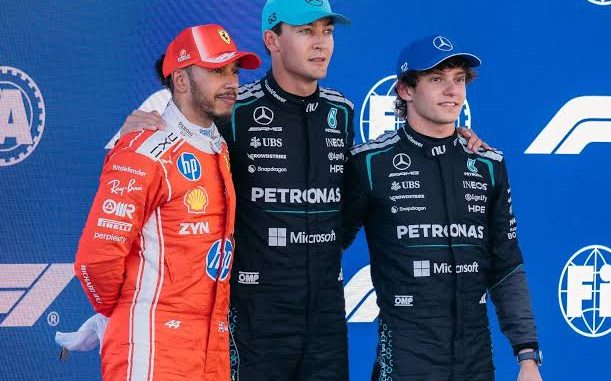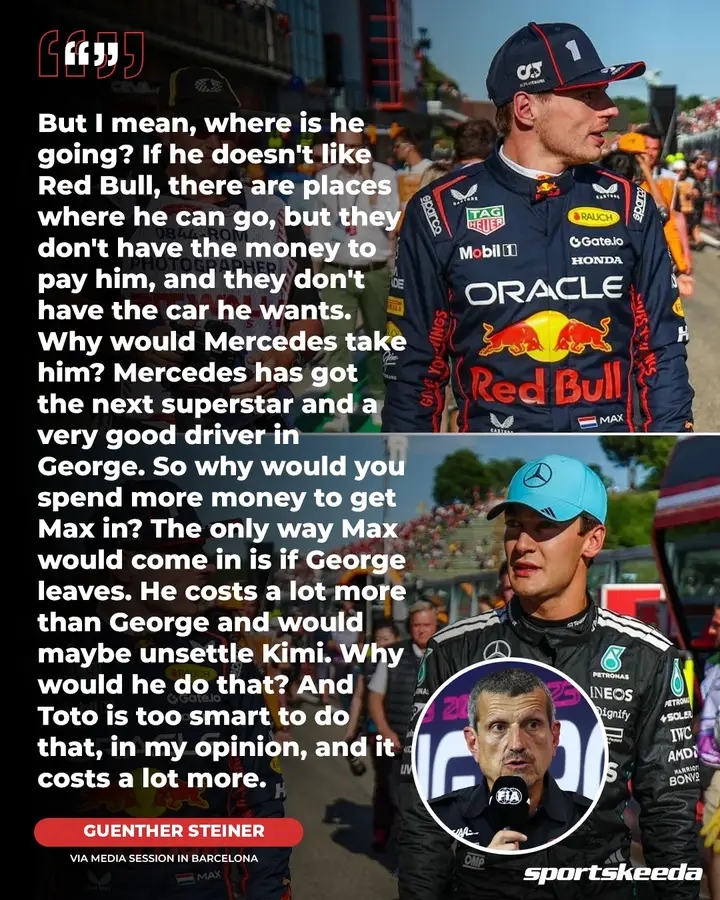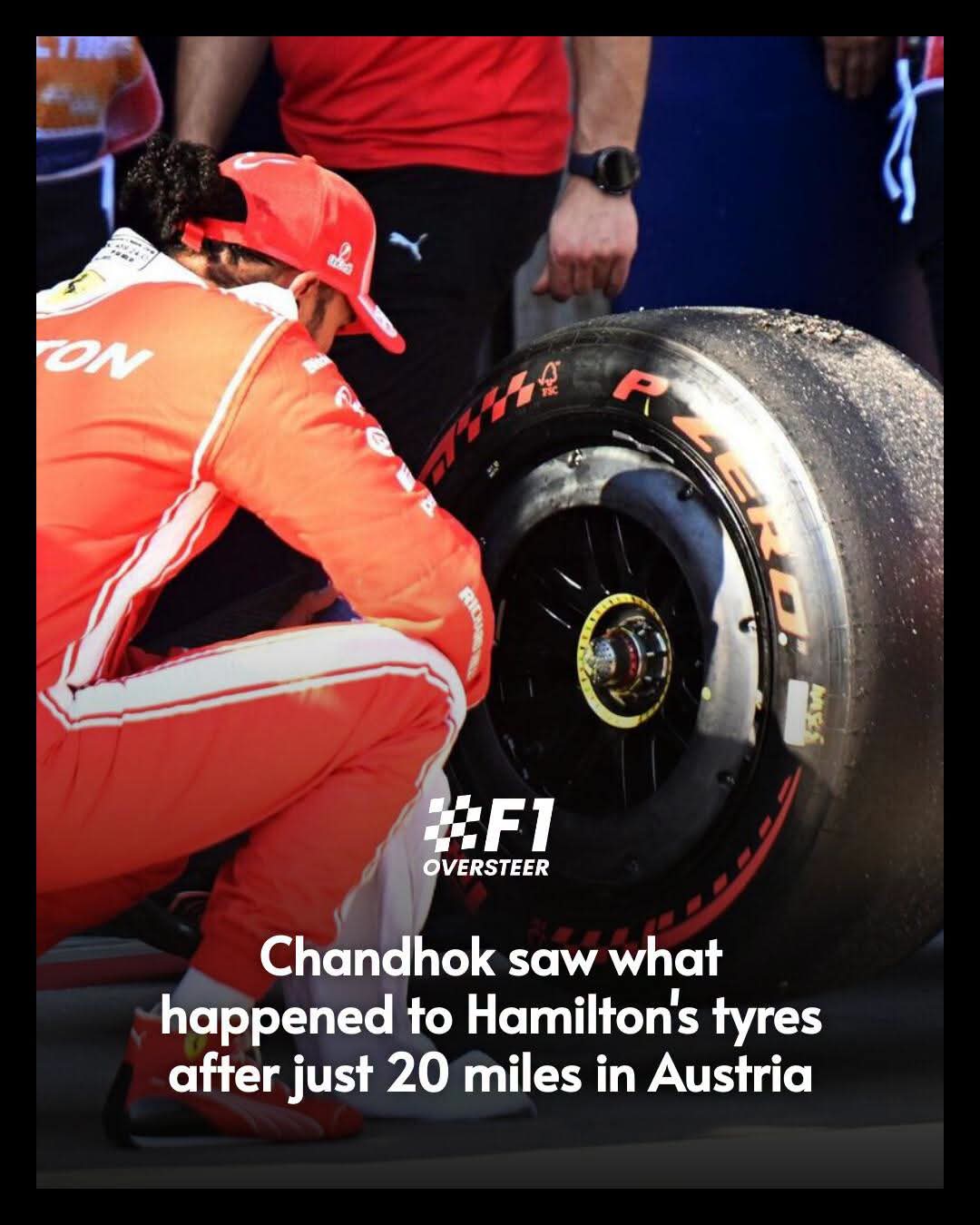
Lewis Hamilton’s stunning resurgence at Ferrari has reignited one of Formula 1’s biggest debates: is the seven-time world champion back to his best, or has he simply benefited from being in the right place at the right time?
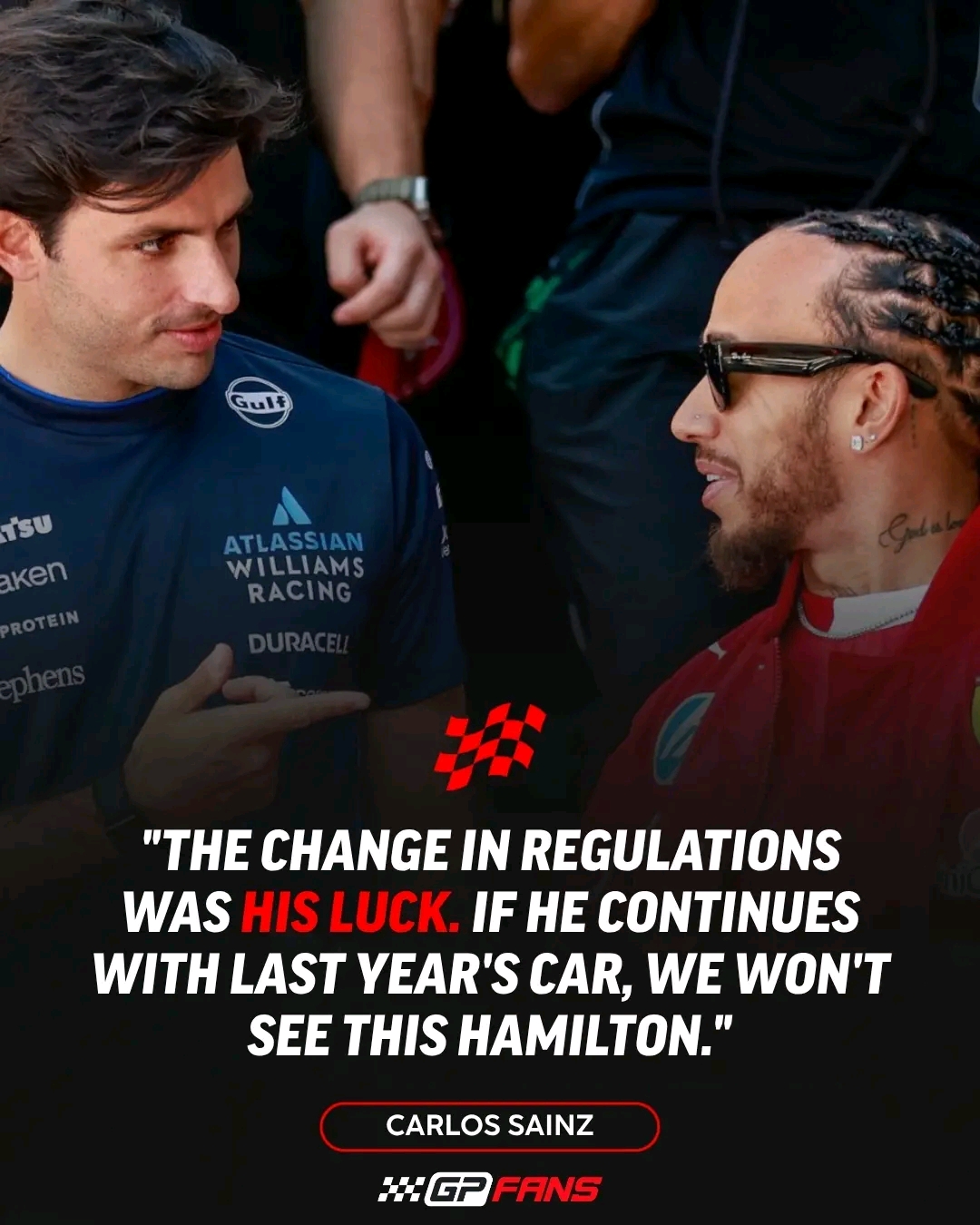
Former Ferrari driver Carlos Sainz recently suggested that Hamilton has been fortunate with the timing of Formula 1’s 2026 regulation changes, which have coincided with a dramatic improvement in Ferrari’s competitiveness and Hamilton’s own form. However, reducing Hamilton’s success to luck alone ignores the bigger picture behind one of the most fascinating stories of the season.
HAS LEWIS HAMILTON BEEN LUCKY IN 2026?
There is some truth behind Sainz’s comments.
Formula 1 entered a new era in 2026 with sweeping technical regulations, forcing every team and driver to adapt. Hamilton struggled badly during his first season at Ferrari in 2025, failing to secure a grand prix podium and finishing well behind teammate Charles Leclerc in the championship. The arrival of the new rules has transformed Ferrari’s fortunes and allowed Hamilton to become a regular contender once again.
From Sainz’s perspective, Hamilton arrived at Ferrari just before a major reset. The Spaniard spent years helping develop the team before losing his seat to the British driver. Now Hamilton is enjoying the benefits of a Ferrari package that appears far better suited to his driving style.
Yet Formula 1 has never been purely about luck.
Every champion throughout history has needed the right car at the right moment. What separates the greats is their ability to capitalize when those opportunities arrive.
HAMILTON’S FERRARI TURNAROUND DID NOT HAPPEN OVERNIGHT
The easy narrative is that Ferrari built a better car and Hamilton suddenly started winning.
Reality is more complicated.
Hamilton spent much of 2025 adapting to Ferrari’s systems, engineers, and driving philosophy. Throughout that difficult campaign he continued pushing for changes behind the scenes and reportedly played a significant role in helping shape Ferrari’s long-term direction heading into the regulation overhaul.
The results are finally becoming visible.
Three podium finishes followed by a dominant victory in Barcelona have transformed Hamilton from an outsider into a genuine championship threat. His confidence appears restored, his communication with the team is stronger, and Ferrari’s race execution has improved significantly.
That is not simply luck.
That is the combination of preparation, experience, and a team finally understanding how to maximize one of the greatest drivers the sport has ever seen.
WHY THE BARCELONA WIN CHANGED EVERYTHING
Hamilton’s first Ferrari victory in Barcelona was more than just another race win.
It represented proof that Ferrari can beat Mercedes on merit and challenge for victories consistently throughout the remainder of the season. The win ended a lengthy drought and demonstrated that Hamilton remains capable of delivering elite performances even at 41 years old.
The timing could not have been more important.
Championship leader Kimi Antonelli suffered a costly retirement, while Hamilton closed the gap in the standings and gained significant momentum heading into the next phase of the season.
Suddenly, discussions have shifted from whether Hamilton can win a race to whether he can win an unprecedented eighth world championship.
WHAT CARLOS SAINZ REALLY MEANS
Sainz’s remarks should not necessarily be viewed as criticism.
Instead, they highlight a harsh reality of Formula 1.
Success often depends on timing. Drivers can spend years building a project only for someone else to arrive when the team reaches its peak. Sainz himself won races for Ferrari and helped push the team forward before being replaced. Now Hamilton is benefiting from the groundwork laid during previous seasons.
But Ferrari’s progress is also the result of Hamilton’s own contribution since joining the team.
The truth likely sits somewhere between luck and hard work.
THE IMPACT ON THE CHAMPIONSHIP FIGHT
Hamilton’s resurgence has dramatically altered the championship landscape.
Mercedes still possess one of the fastest packages on the grid, and Antonelli remains the benchmark over a single season. However, Ferrari’s recent pace suggests the title battle could become far more competitive during the second half of the year.
For Ferrari, the stakes are enormous.
An eighth title for Hamilton would become one of the greatest comeback stories in Formula 1 history and would instantly justify the team’s decision to replace Sainz with the most successful driver the sport has ever seen.
For Mercedes, it would be a painful reminder of what they lost.
For Hamilton, it would cement his legacy even further.
CAN HAMILTON REALLY WIN THE TITLE?
The answer is yes.
Hamilton remains behind Antonelli in the standings, but momentum is clearly shifting. Ferrari’s upgrades are working, the team appears increasingly comfortable with the new regulations, and rivals are beginning to acknowledge the threat posed by Hamilton’s return to form.
However, consistency will determine whether this becomes a championship campaign or simply a memorable comeback season.
One victory does not win a title.
But if Barcelona proves to be the start of a sustained run of victories, Hamilton’s dream of an eighth world championship may no longer seem impossible.
FINAL THOUGHTS
Was Lewis Hamilton lucky?
Perhaps.
The 2026 regulation changes arrived at the perfect moment for both Ferrari and Hamilton. Yet luck alone cannot explain multiple podiums, improved race pace, stronger team integration, and a commanding victory against elite competition.
The reality is that Hamilton has benefited from opportunity while also doing everything necessary to take advantage of it.
In Formula 1, that is usually what separates champions from everyone else.