George Russell produced one of the standout laps of the 2026 Formula 1 season to claim pole position for the Austrian Grand Prix, but the achievement has quickly become one of the most controversial moments of the championship. While Mercedes celebrated another impressive qualifying performance, questions emerged almost immediately over whether Russell’s pole lap should have counted after Max Verstappen’s dramatic crash triggered yellow flags in the closing moments of Q3.
Although the FIA ultimately allowed the lap to stand, championship leader Andrea Kimi Antonelli believes the incident exposed an area of the regulations that deserves closer scrutiny, potentially opening an important discussion about safety procedures moving forward.
RUSSELL DELIVERS A STUNNING LAP AMID LATE QUALIFYING DRAMA
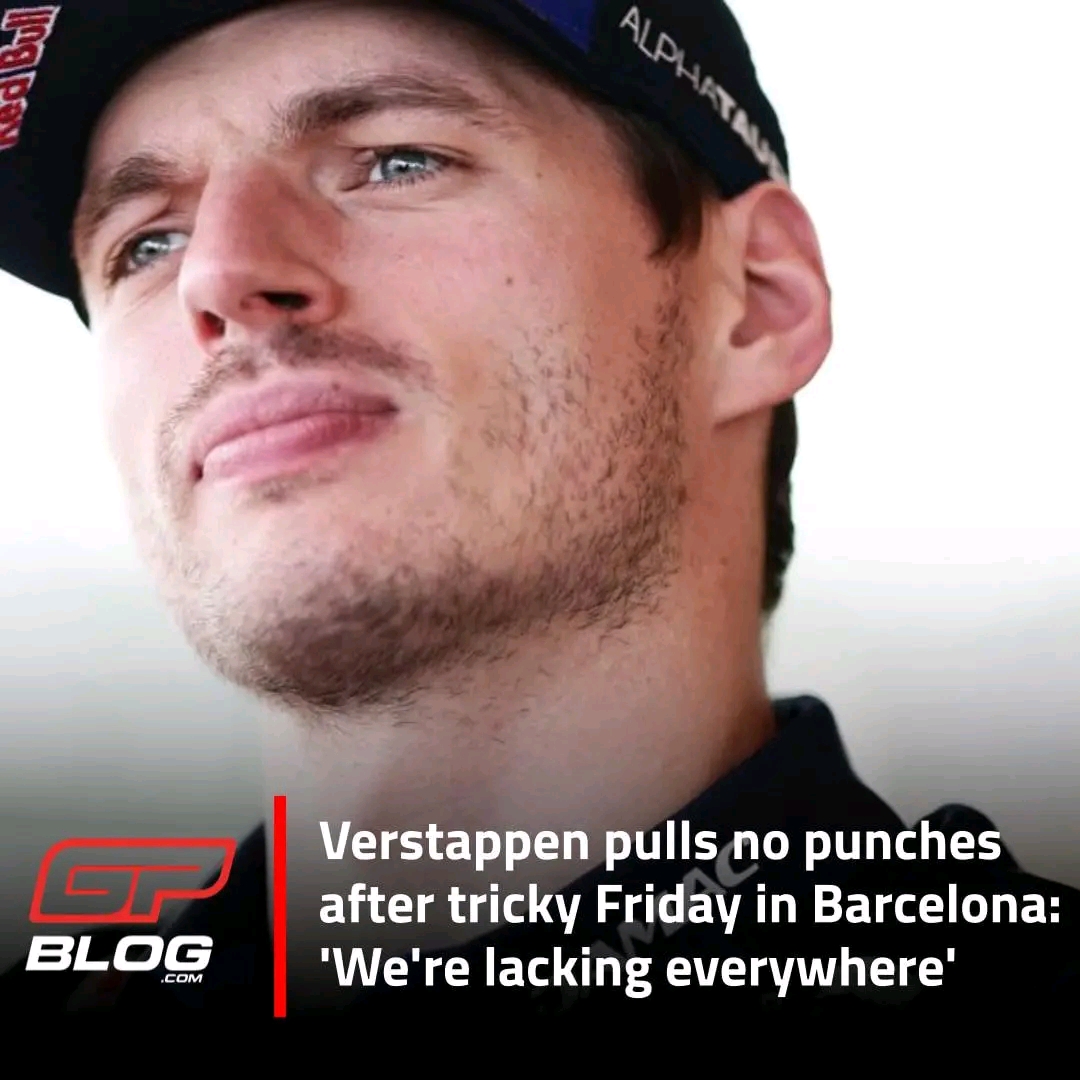
The final minutes of qualifying at the Red Bull Ring had all the ingredients of classic Formula 1 drama. Ferrari’s Charles Leclerc looked set to secure pole position before Verstappen lost control of his Red Bull in the high-speed Turn 9, crashing heavily into the barriers and immediately bringing out yellow flags.
Many assumed every driver still on a flying lap would have little chance of improving. Instead, Russell produced an exceptional final sector to stop the clock at 1:06.113, moving ahead of Leclerc and teammate Lewis Hamilton to secure an unexpected pole position.
Race control briefly examined Russell’s lap for a possible yellow flag infringement, but after reviewing telemetry and onboard footage, officials determined that he had complied with the regulations by lifting sufficiently through the affected sector under a single yellow flag.
The decision meant Mercedes retained pole while Ferrari settled for second and third, leaving Verstappen frustrated after his qualifying ended in the barriers.
ANTONELLI BELIEVES THE RULES SHOULD CHANGE
While Russell escaped any penalty, Antonelli was far from convinced the situation had been handled perfectly.
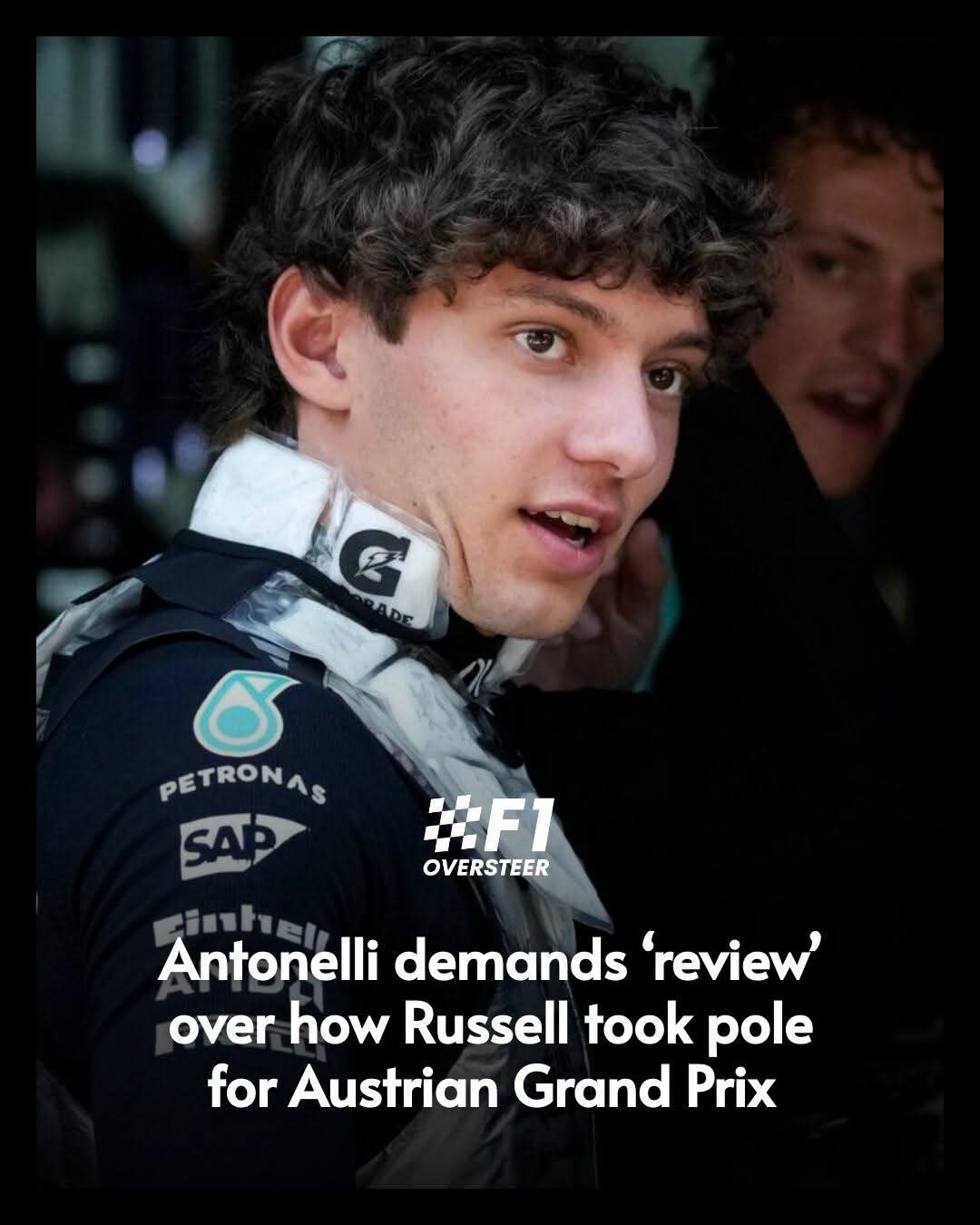
The Mercedes rookie admitted he mistakenly believed double yellow flags had been deployed and immediately abandoned his lap, costing himself what could have been a front-row start. Later, after learning that only single yellow flags had officially been shown, Antonelli argued that the FIA should reconsider how incidents in fast corners are managed.
From his perspective, any accident occurring at such high speed should automatically trigger double yellow flags to eliminate uncertainty for drivers approaching the scene.
Antonelli described the situation as confusing and suggested the governing body should review the procedure before similar incidents occur later this season.
His comments highlight an important distinction. Rather than accusing Russell of wrongdoing, Antonelli questioned whether the regulations themselves are adequate when serious crashes happen in high-speed sections of a circuit.
WHY THE FIA CLEARED RUSSELL
The FIA’s decision was based on the current Formula 1 Sporting Regulations.
Under a single yellow flag, drivers must demonstrate a clear reduction in speed while remaining prepared to change direction if necessary. They are not automatically prevented from improving their lap times.
Telemetry reportedly showed Russell lifting significantly before Turn 9, sacrificing time through the caution zone before accelerating again once he had safely passed the incident. That satisfied the stewards that he had complied with the existing rules.
Had double yellow flags been active when Russell entered the sector, the outcome would almost certainly have been different. Drivers under double yellows are expected to reduce speed much more dramatically and effectively abandon any competitive lap.
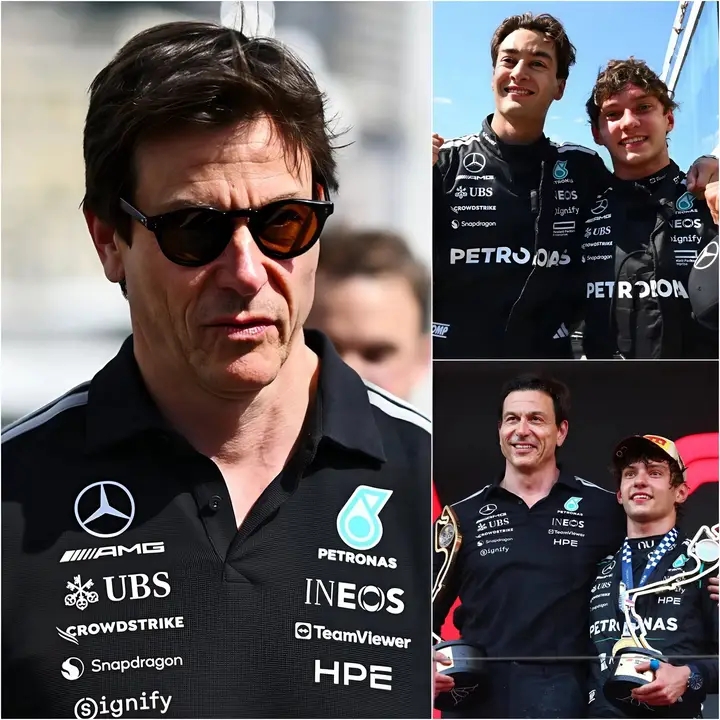
Mercedes team principal Toto Wolff later explained that Antonelli had mistakenly reacted as though double yellows were already in force, leading him to unnecessarily abort his final attempt.
SAFETY VERSUS SPORTING FAIRNESS
The controversy raises a broader question that extends beyond one qualifying session.
Formula 1 constantly tries to balance two priorities: maintaining safety while avoiding unnecessary interruptions to competition. Saturday’s events demonstrated just how difficult that balance can become when an accident occurs during the final moments of qualifying.
Critics argue that drivers should never be able to improve their times after a crash has occurred ahead, particularly in one of the fastest corners on the calendar. Supporters of the FIA’s decision counter that Russell simply followed the rules exactly as they are written, and punishing him after the fact would have been unfair.
The debate is likely to continue because both arguments have merit. Safety remains the sport’s highest priority, but consistency in officiating is equally essential for maintaining trust among teams and fans.
WHAT THIS MEANS FOR THE CHAMPIONSHIP
Russell’s pole position arrives at a crucial point in the 2026 season.
Mercedes already lead the Constructors’ Championship, while Antonelli heads the Drivers’ standings with Russell now emerging as one of his closest challengers. Every pole position and every race victory could significantly influence both title battles during the second half of the campaign.
Ferrari will also see a major opportunity. With Leclerc and Hamilton starting directly behind Russell, the Scuderia has a realistic chance of challenging Mercedes into Turn 1 if either driver gets a stronger launch.
Meanwhile, Verstappen faces another recovery drive after seeing his qualifying unravel in spectacular fashion. Starting further down the order means Red Bull’s strategy options become far more complicated, particularly at a circuit where overtaking opportunities can disappear quickly once tyre degradation begins.
THE CONTROVERSY IS FAR FROM OVER
Although the FIA has officially closed the investigation, the discussion surrounding Russell’s pole position is unlikely to disappear anytime soon.
Antonelli’s call for a review may encourage Formula 1 officials to examine whether the current yellow flag procedures remain appropriate for high-speed circuits. Even if no rule changes arrive immediately, Austria has highlighted an area where future clarification could help eliminate confusion for drivers and teams alike.
For now, Russell keeps one of the most impressive pole laps of the season, but Sunday’s Austrian Grand Prix will determine whether that controversial qualifying performance becomes merely a footnote—or the foundation for a race victory that reshapes both championship battles.