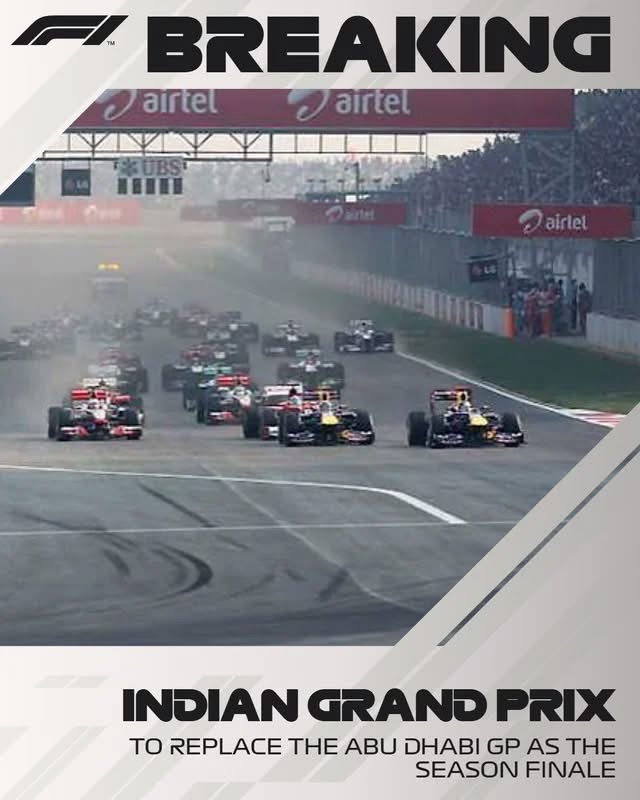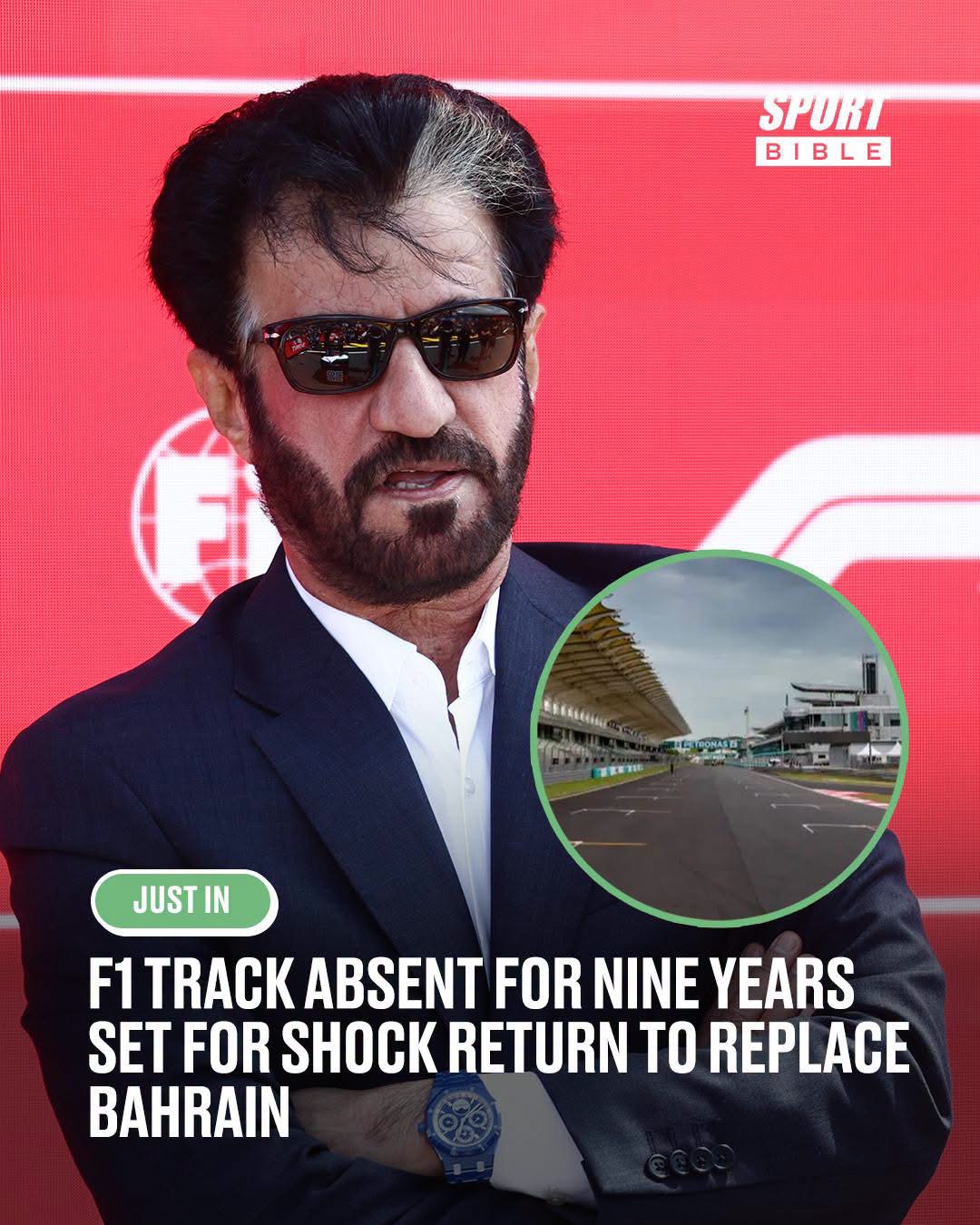
Formula 1 is reportedly preparing for one of the biggest calendar shake-ups in recent memory, with the iconic Sepang International Circuit expected to return to the championship for the first time since 2017. According to multiple reports, Malaysia will host a race weekend in early October as a replacement for the Bahrain Grand Prix after the Middle East event was canceled amid ongoing regional conflict.
While the decision is reportedly awaiting final approval from the FIA, the move would bring one of Formula 1’s most popular modern circuits back to the calendar. It would also help the sport maintain its target number of races during a season already disrupted by geopolitical uncertainty.
SEPANG POISED TO MAKE ITS LONG-AWAITED FORMULA 1 COMEBACK
If officially confirmed, Sepang will stage a Formula 1 weekend between October 2 and 4, marking the circuit’s first appearance on the championship schedule in nine years.
The Malaysian Grand Prix disappeared after the 2017 season due to declining attendance and financial concerns despite being regarded as one of Formula 1’s most exciting venues. Known for its wide layout, long straights, demanding corners, and unpredictable tropical weather, Sepang consistently produced thrilling races and memorable championship moments.
The last Formula 1 race held at the circuit was won by Max Verstappen, with Lewis Hamilton and Daniel Ricciardo completing the podium.
Its return would instantly add another classic venue back to the modern Formula 1 calendar.
WHY FORMULA 1 NEEDS A REPLACEMENT RACE
Earlier this season, both the Saudi Arabian and Bahrain Grands Prix were canceled because of escalating conflict in the Middle East. That immediately raised questions about whether Formula 1 would reduce the calendar or search for substitute venues.
Maintaining a full championship has become increasingly important for Formula 1’s commercial operations. Broadcasting agreements, sponsorship contracts, promoter commitments, and team financial arrangements are all structured around a minimum number of race weekends.
A reduced calendar could potentially create contractual complications for Formula 1, teams, broadcasters, and commercial partners alike.
By reportedly bringing Sepang back, Formula 1 would preserve both competitive continuity and commercial stability.
THE RETURN WOULD CREATE A DEMANDING TRIPLE-HEADER
Adding Malaysia to the schedule would produce one of the toughest stretches of the season.
Drivers and teams would compete in:
- Azerbaijan Grand Prix
- Malaysia (Sepang)
- Singapore Grand Prix
Three consecutive race weekends would test not only the drivers physically but also the logistical capabilities of every Formula 1 team.
Sepang’s intense heat and humidity have historically been among the most physically demanding conditions on the calendar. Combined with Singapore’s notoriously exhausting night race, the sequence would create one of the championship’s toughest challenges.
Engineers, mechanics, and logistics crews would also face an enormous workload transporting equipment across multiple countries within a short period.
WHY MALAYSIA IS BETTER PREPARED THAN MANY REALIZE
Although Formula 1 has been absent since 2017, Sepang remains one of the world’s premier racing facilities.
Former Sepang International Circuit leadership has repeatedly stated that the venue remains fully capable of hosting Formula 1 with minimal preparation. Unlike many potential replacement circuits, Sepang already possesses:
- FIA-approved infrastructure.
- Modern paddock facilities.
- Extensive Formula 1 operational experience.
- Strong transportation links.
While organizers would have limited preparation time, major reconstruction is unlikely to be necessary.
Perhaps even more importantly, Formula 1’s popularity in Malaysia has grown significantly since the circuit last hosted a race. The global success of Netflix’s Drive to Survive has introduced the championship to an entirely new generation of fans, potentially making a return far more commercially successful than it would have been several years ago.
MORE CALENDAR CHANGES COULD STILL FOLLOW
The reported return of Sepang may not be the final adjustment Formula 1 makes this season.
With ongoing uncertainty surrounding the Qatar and Abu Dhabi Grands Prix later in the year, contingency plans reportedly remain under discussion. If additional Middle Eastern races cannot proceed safely, several established European circuits—including Imola—have emerged as leading candidates to step in.
Portimão in Portugal and Istanbul Park in Turkey have also reportedly been considered, though current indications suggest they remain backup options rather than immediate replacements.
Formula 1 has demonstrated remarkable flexibility in recent years, successfully adapting its calendar during the COVID-19 pandemic. That experience now provides organizers with a proven framework for responding quickly to unexpected disruptions.
WHAT SEPANG’S RETURN COULD MEAN FOR FORMULA 1’S FUTURE
Even if this return begins as a one-off replacement event, a successful Malaysian Grand Prix could strengthen the country’s long-term case for permanent reinstatement.
Sepang has always enjoyed strong support from drivers, many of whom consider it one of the finest circuits ever built. Its flowing layout rewards bravery, precision, and overtaking, characteristics increasingly valued by fans seeking more exciting racing.
A successful event could also reinforce Formula 1’s strategy of balancing glamorous new street circuits with traditional purpose-built tracks that consistently produce high-quality racing.
For Malaysia, hosting Formula 1 again would generate significant tourism, international exposure, and economic activity. For Formula 1, it would represent an opportunity to reconnect with a passionate fanbase while preserving one of the sport’s most respected venues.
Although final FIA approval is still pending, all signs suggest that Sepang may soon reclaim its place on the Formula 1 calendar—bringing one of the championship’s most beloved circuits back into the spotlight after nearly a decade away.