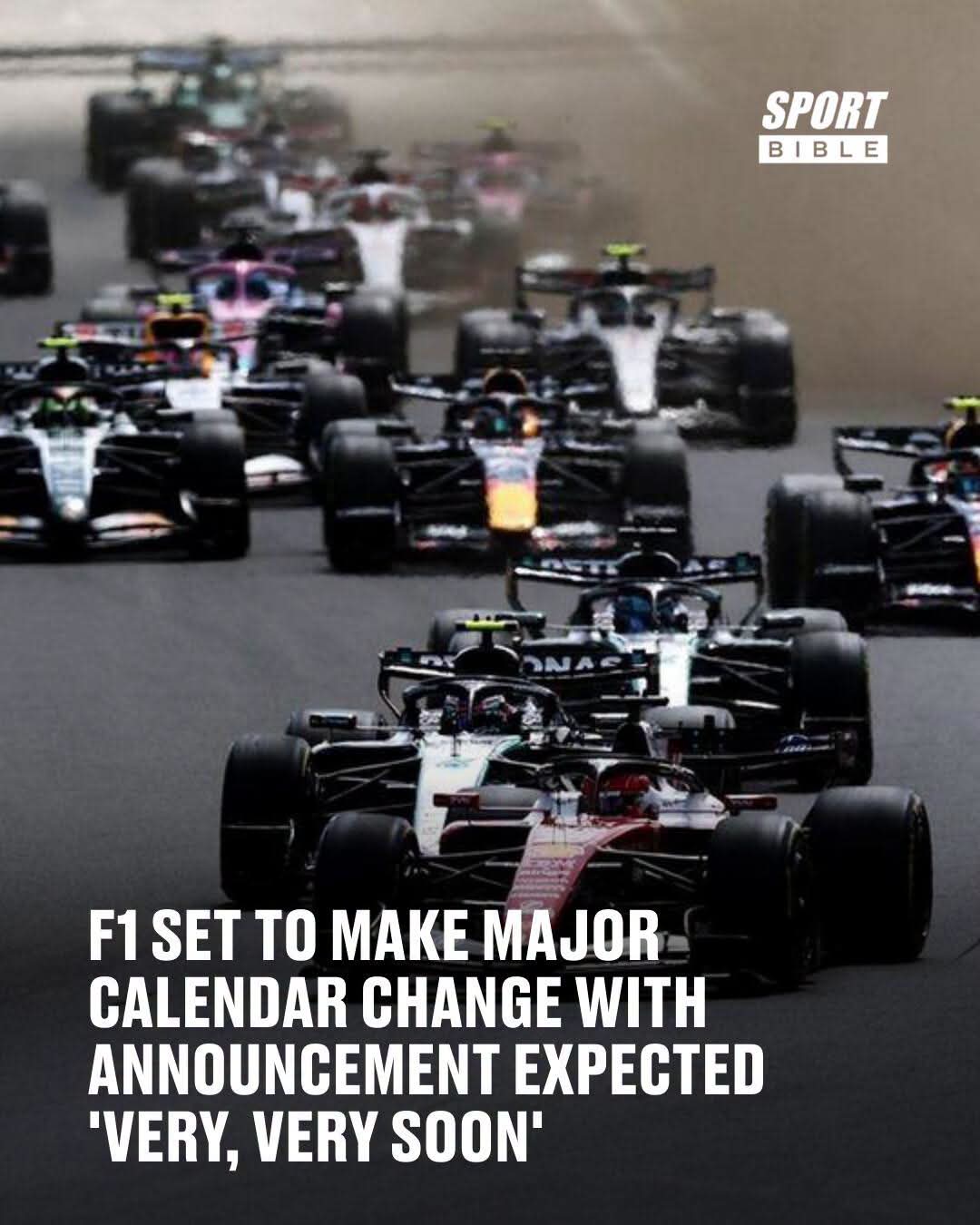
Formula 1 is preparing for another significant evolution of its race calendar, with championship CEO Stefano Domenicali hinting that a major announcement is just around the corner. While the number of Grand Prix weekends is expected to remain unchanged, reports suggest the sport is planning a substantial expansion of Sprint events, potentially increasing them from six to as many as ten for the 2027 season. Combined with the anticipated return of two historic European circuits, the changes could reshape how teams, drivers, and fans experience an already demanding Formula 1 campaign.
SPRINT RACES COULD PLAY AN EVEN BIGGER ROLE IN FORMULA 1
Since their introduction in 2021, Sprint races have become one of Formula 1’s most debated innovations. Some fans enjoy the added excitement and competitive action on Saturdays, while others believe the traditional Grand Prix weekend format should remain untouched.
Stefano Domenicali has made it clear that Formula 1 sees the Sprint format as a success. Speaking during the British Grand Prix weekend, he pointed to the impressive Friday attendance at Silverstone as evidence that fans want meaningful on-track action throughout the weekend rather than practice sessions alone. That philosophy is reportedly driving discussions to expand Sprint weekends significantly beginning in 2027.
If approved, the calendar would feature 24 Grands Prix alongside approximately 10 Sprint events, bringing the total number of championship races to 34 across the season.
ICONIC EUROPEAN VENUES SET FOR A WELCOME RETURN
Beyond the Sprint expansion, Formula 1’s calendar itself could receive a nostalgic boost.
Reports indicate that both the Portuguese Grand Prix and the Turkish Grand Prix are expected to return for the 2027 season, reintroducing two fan-favorite circuits that have delivered memorable races in recent years.
Portugal’s flowing Algarve International Circuit quickly earned praise from drivers thanks to its dramatic elevation changes and technical layout, while Istanbul Park remains famous for its challenging Turn 8 and history of producing unpredictable races.
Their return would strengthen Formula 1’s European schedule while continuing the championship’s effort to balance historic venues with newer destinations.
ROTATION SYSTEM CONTINUES TO CHANGE THE F1 LANDSCAPE
The proposed calendar also reflects Formula 1’s growing willingness to rotate certain venues rather than permanently removing them.
The Dutch Grand Prix is expected to disappear from the calendar after the current season, while Barcelona would reportedly rotate with Belgium, allowing both legendary circuits to remain part of Formula 1’s future without permanently occupying annual slots.
This approach allows Formula 1 to preserve historic races while accommodating expanding global demand from countries seeking to host Grands Prix.
As the championship continues growing worldwide, rotating events may become increasingly common as organizers attempt to satisfy commercial interests without abandoning the sport’s traditional roots.
WHAT THE EXPANDED CALENDAR MEANS FOR TEAMS AND DRIVERS
More Sprint weekends mean considerably more competitive laps over the course of a season.
Unlike practice sessions, Sprint races award championship points while placing additional stress on power units, gearboxes, suspension components, and tires. Every extra race creates another opportunity for accidents, reliability failures, and strategic mistakes.
Teams will need to rethink resource allocation under Formula 1’s financial regulations, while engineers face an even greater challenge preparing cars that must perform consistently over an increasingly packed schedule.
Drivers, meanwhile, could see the physical and mental demands of an already exhausting season increase further, especially during triple-header stretches where recovery time is minimal.
THE CHAMPIONSHIP BATTLE COULD BECOME EVEN MORE UNPREDICTABLE
An increase in Sprint races has the potential to influence championship outcomes more dramatically than many fans realize.
Additional points-scoring opportunities reward consistency across an entire weekend rather than focusing exclusively on Sunday’s Grand Prix. Drivers who excel in qualifying and shorter race formats could steadily accumulate valuable points even if they encounter setbacks during the main races.
For title contenders, every Sprint weekend becomes another opportunity either to extend an advantage or recover lost ground, making championship momentum even more volatile throughout the year.
This format could also create greater opportunities for midfield teams to score points and disrupt the balance of both championships.
FORMULA 1 CONTINUES TO EVOLVE WHILE HONORING ITS HISTORY
Formula 1 has never been afraid to adapt, whether through technical regulations, race formats, or calendar expansion. The proposed 2027 schedule reflects that ongoing evolution.
By combining more Sprint events with the return of beloved circuits like Portugal and Turkey, Formula 1 appears determined to satisfy both modern audiences seeking constant action and long-time fans who appreciate the sport’s rich heritage.
While the final calendar has yet to receive official confirmation, Domenicali’s comments strongly suggest significant announcements are imminent. If these proposals become reality, the 2027 Formula 1 season could deliver one of the most action-packed and diverse championship schedules in the sport’s modern history, offering fans more competitive racing while presenting teams with their toughest logistical and strategic challenge yet.