Formula 1 may not be facing immediate disruption, but the FIA is already preparing for every possible scenario.
Amid growing uncertainty surrounding parts of the 2026 Formula 1 calendar, the governing body has confirmed that an experienced circuit is prepared to step in if any scheduled Grands Prix are unable to proceed. While officials have not publicly identified the venue or revealed which races could potentially be affected, the development highlights the increasingly complex challenge of managing a global championship that now spans multiple continents.
The move has sparked intense speculation across the paddock, with teams, drivers, and fans eager to discover which historic venue could be waiting in the wings for a dramatic return.
FIA MOVES QUICKLY TO PROTECT THE CHAMPIONSHIP
Formula 1 has become a truly global sport, with races spread across Europe, North America, the Middle East, Asia, and beyond. While that expansion has fueled the sport’s growth, it has also created new logistical challenges.
According to FIA officials, contingency planning has become an essential part of running a championship that now features one of the busiest schedules in motorsport history.
Various factors can threaten a race weekend, including infrastructure delays, financial disputes, political uncertainty, transportation issues, and even extreme weather conditions. Rather than risk losing events at short notice, Formula 1 has chosen to prepare backup options well in advance.
The latest confirmation suggests the FIA is determined to maintain the full championship calendar regardless of any unexpected obstacles.
WHY A REPLACEMENT VENUE IS ALREADY BEING PREPARED
Unlike many sports, Formula 1 cannot simply relocate an event overnight.
Teams transport hundreds of tons of equipment across the globe, while broadcasters, sponsors, race promoters, and thousands of traveling fans all require certainty. A canceled race creates significant financial and operational complications.
That is why Formula 1 keeps close relationships with several circuits capable of hosting Grands Prix on relatively short notice.
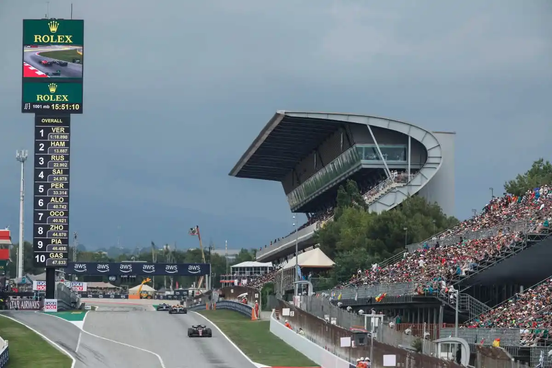
The reported replacement venue already possesses extensive Formula 1 experience and meets FIA Grade 1 standards, making it one of the most practical options available should intervention become necessary.
For the FIA, having a ready-made solution reduces the risk of major disruption to the championship.
WHICH TRACK COULD RETURN TO FORMULA 1?
The biggest mystery surrounding the announcement is the identity of the circuit itself.
Although officials have remained silent on specifics, speculation is already spreading throughout the motorsport community.
Several historic tracks that have previously hosted Formula 1 races continue to maintain the infrastructure required for a modern Grand Prix. Some of these venues remain fan favorites and have repeatedly been mentioned whenever calendar uncertainty emerges.
The possibility of a beloved circuit returning has generated excitement among long-time supporters who believe certain classic tracks deserve another opportunity to showcase Formula 1’s new generation of cars.
While no official names have been confirmed, the anticipation alone demonstrates the emotional connection fans still have with some of the sport’s traditional venues.
THE CHALLENGE OF BALANCING TRADITION AND EXPANSION
Formula 1’s rapid growth has created a difficult balancing act.
The championship continues to attract new markets eager to host races, often backed by substantial financial investments. New venues help Formula 1 expand its audience and strengthen its commercial future.
However, many fans argue that historic circuits remain the heart of the sport.
This ongoing debate has become one of Formula 1’s defining issues in recent years. Every time a replacement venue enters the conversation, supporters immediately begin comparing the value of established tracks against newer destinations.
The current situation once again highlights that tension between preserving tradition and pursuing global growth.
WHY TEAMS SUPPORT THE FIA’S APPROACH
Most team principals have reacted positively to the FIA’s proactive planning.
Modern Formula 1 operations are incredibly complex. Teams schedule travel months in advance, organize freight shipments around the world, and coordinate hundreds of personnel throughout a season.
Unexpected calendar changes can create enormous logistical headaches.
Having a backup venue prepared provides reassurance that any disruption can be handled quickly and efficiently. It also reduces uncertainty for drivers and engineers who rely on detailed planning throughout the championship.
In a season where every point could influence title battles and financial rewards, maintaining stability is critical.
WHAT THIS MEANS FOR THE 2026 CHAMPIONSHIP
At this stage, there is no indication that any races have officially been canceled.
However, the FIA’s decision to publicly confirm a standby venue suggests the governing body is taking potential risks seriously.
Championship contenders such as Kimi Antonelli, Lewis Hamilton, George Russell, Charles Leclerc, and Max Verstappen will all be monitoring developments closely. Every race represents a crucial opportunity to score points, and any alteration to the schedule could influence championship momentum.
For midfield teams, additional races often provide valuable chances to improve their standing and secure significant financial rewards at season’s end.
That makes calendar stability a priority for every organization on the grid.
COULD A REPLACEMENT RACE CREATE AN UNEXPECTED ADVANTAGE?
If a substitute circuit is eventually required, the competitive implications could be fascinating.
Different tracks favor different car characteristics. A venue added at short notice might unexpectedly benefit certain teams while hurting others.
Mercedes, Ferrari, McLaren, Red Bull, and the rest of the field spend months preparing for specific circuits. A sudden change could alter strategic planning and potentially shift the competitive balance.
Historically, replacement races have often produced surprising results because teams have less preparation time and fewer recent data points.
Should Formula 1 need to activate its contingency plans, fans could be treated to an unpredictable and highly entertaining event.
THE BIGGER PICTURE
The FIA’s announcement serves as a reminder of how much planning occurs behind the scenes to keep Formula 1 running smoothly.
While fans focus on battles for victories, podiums, and championships, officials must constantly prepare for unexpected challenges that could threaten the schedule.
Whether a replacement race ultimately becomes necessary remains unclear. But by ensuring an experienced circuit is ready to step in, Formula 1 has demonstrated its commitment to protecting the integrity of the 2026 championship.
For now, the calendar remains intact. Yet as speculation continues to build, attention is rapidly turning toward one question: if Formula 1 needs a backup plan, which iconic circuit will answer the call?