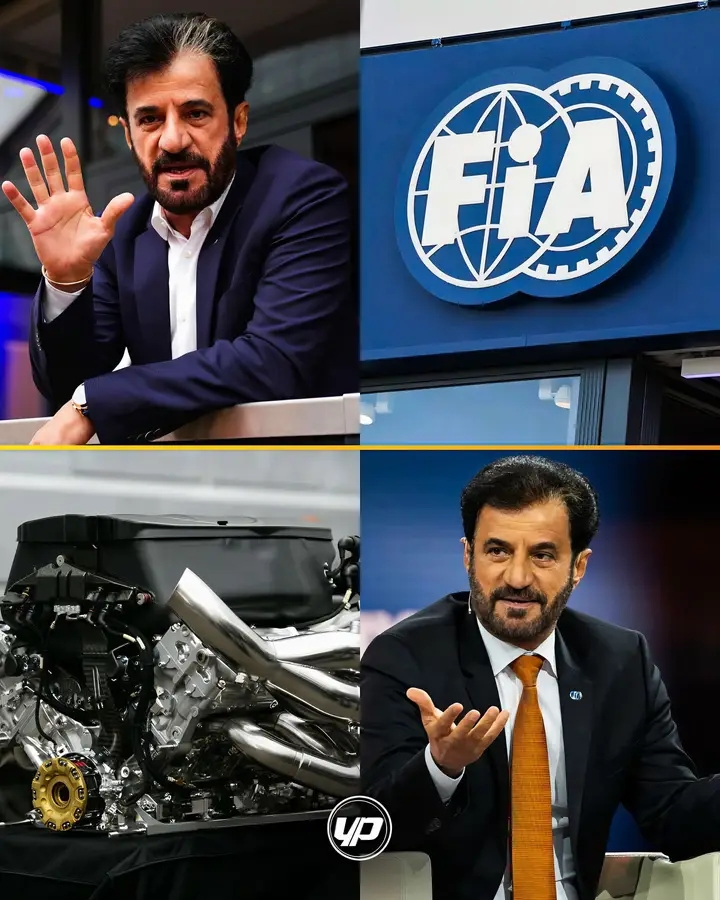
Formula 1 could be heading toward one of the biggest technical revolutions in its modern history after FIA President Mohammed Ben Sulayem revealed his vision for the championship beyond the next engine cycle. His proposal centers on a dramatic return to naturally aspirated V8 engines by 2031, a move that could reshape the sport’s identity while significantly reducing costs for teams.
Although no final decision has been made, the discussion has already sparked debate across the paddock. Supporters believe it could restore the raw sound and excitement many fans miss, while critics argue Formula 1 must continue leading automotive innovation through advanced hybrid technology.
WHY THE FIA WANTS TO BRING BACK V8 ENGINES
Formula 1 will introduce an all-new power unit formula in 2026, featuring a greater reliance on electrical power and sustainable fuels. However, Ben Sulayem has already suggested that the championship should begin planning for what comes after that era.
His proposal includes standardized, lower-cost V8 engines that would be available to private teams, making it easier for smaller organizations to compete without relying heavily on expensive manufacturer partnerships. By simplifying engine design, the FIA hopes to reduce the financial burden that has become one of Formula 1’s biggest challenges.
The vision also includes dramatically lighter power units, allowing cars to lose more than 100 kilograms compared to current projections. Lighter cars would improve agility, reduce tire degradation, and create more exciting racing throughout the season.
LOWER COSTS COULD CHANGE THE COMPETITIVE LANDSCAPE
One of the biggest advantages of a standardized V8 formula would be financial sustainability.
Modern Formula 1 power units are engineering masterpieces, but they are also incredibly expensive to design, manufacture, and maintain. Large manufacturers can absorb those costs, while smaller customer teams often depend heavily on factory support.
A simpler V8 package could level the playing field by lowering operating costs and allowing independent teams to compete more effectively. More affordable engines may also encourage new manufacturers and private entrants to join the championship, strengthening the overall grid.
For Formula 1, creating a healthier financial ecosystem is just as important as producing faster cars.
LIGHTER CARS COULD IMPROVE THE RACING
Weight has become one of the biggest talking points in recent Formula 1 seasons.
Despite incredible performance, today’s cars are considerably heavier than those from previous generations because of larger hybrid systems, bigger batteries, and additional safety requirements.
Ben Sulayem believes a lighter V8 engine package could remove over 100 kilograms from the cars. That reduction would have several benefits, including:
- Better cornering speeds
- Shorter braking distances
- Improved overtaking opportunities
- Less tire wear during races
- Greater driver control on technical circuits
Many drivers have expressed a desire for lighter, more responsive cars, making this proposal attractive from a sporting perspective.
THE RETURN OF REFUELLING COULD ADD MORE STRATEGY
One of the more controversial ideas linked to the proposal is the possible return of refuelling during races.
Since naturally aspirated V8 engines would consume more fuel than modern hybrid power units, refuelling could become necessary to complete race distances efficiently.
If reintroduced, pit strategy could once again become a defining factor in Grand Prix weekends. Teams would need to balance fuel loads, tire management, and pit stop timing, potentially creating more unpredictable races.
However, Formula 1 would also need to carefully evaluate the safety implications before bringing refuelling back to the sport.
A SMALLER HYBRID SYSTEM WOULD MAINTAIN MODERN TECHNOLOGY
Rather than eliminating electrification completely, Ben Sulayem has suggested keeping a modest hybrid element representing roughly 10 to 15 percent of the total power output.
This compromise would allow Formula 1 to preserve some technological relevance while restoring the simplicity and unmistakable sound of naturally aspirated V8 engines.
Using sustainable fuels alongside a smaller hybrid system could also help Formula 1 maintain its environmental commitments while reducing engineering complexity.
WHAT THIS MEANS FOR THE TEAMS
If these proposals eventually become regulations, every team would need to rethink its long-term development strategy.
Major manufacturers such as Ferrari, Mercedes, Honda, Audi, and Red Bull Powertrains have invested heavily in hybrid technology. Any future shift toward standardized V8 engines would require careful negotiations to balance manufacturer interests with Formula 1’s long-term sustainability goals.
Meanwhile, independent teams could benefit enormously from lower engine costs and simpler technical regulations.
The challenge for Formula 1 will be finding a solution that satisfies manufacturers while ensuring competitive racing and financial stability.
COULD FANS FINALLY HEAR THE RETURN OF THE CLASSIC F1 SOUND?
Perhaps the biggest emotional appeal of the proposal is the possibility of hearing naturally aspirated V8 engines once again.
Many longtime fans still consider the V8 era one of Formula 1’s most exciting periods, with aggressive engine notes becoming part of the sport’s identity. While today’s hybrid power units are engineering marvels, they lack the same acoustic spectacle that many supporters remember.
A return to louder, simpler engines could strengthen Formula 1’s entertainment value while attracting nostalgic fans without abandoning modern sustainability goals.
WHAT HAPPENS NEXT?
The proposed V8 regulations remain a long-term vision rather than an approved rule change. Formula 1’s focus remains firmly on the 2026 engine regulations, which have already attracted manufacturers including Audi and encouraged renewed commitments from existing suppliers.
Still, discussions about 2031 demonstrate that Formula 1 is already thinking beyond its next technical era. Whether the championship ultimately embraces naturally aspirated V8 engines, retains hybrid technology, or develops an entirely different solution, the coming years could define the direction of the sport for decades.
If Ben Sulayem’s vision gains support, Formula 1 may be preparing for a future that blends the excitement of its past with a more affordable, competitive, and sustainable championship. For fans, teams, and drivers alike, that makes this one of the most fascinating debates currently shaping the future of Formula 1.