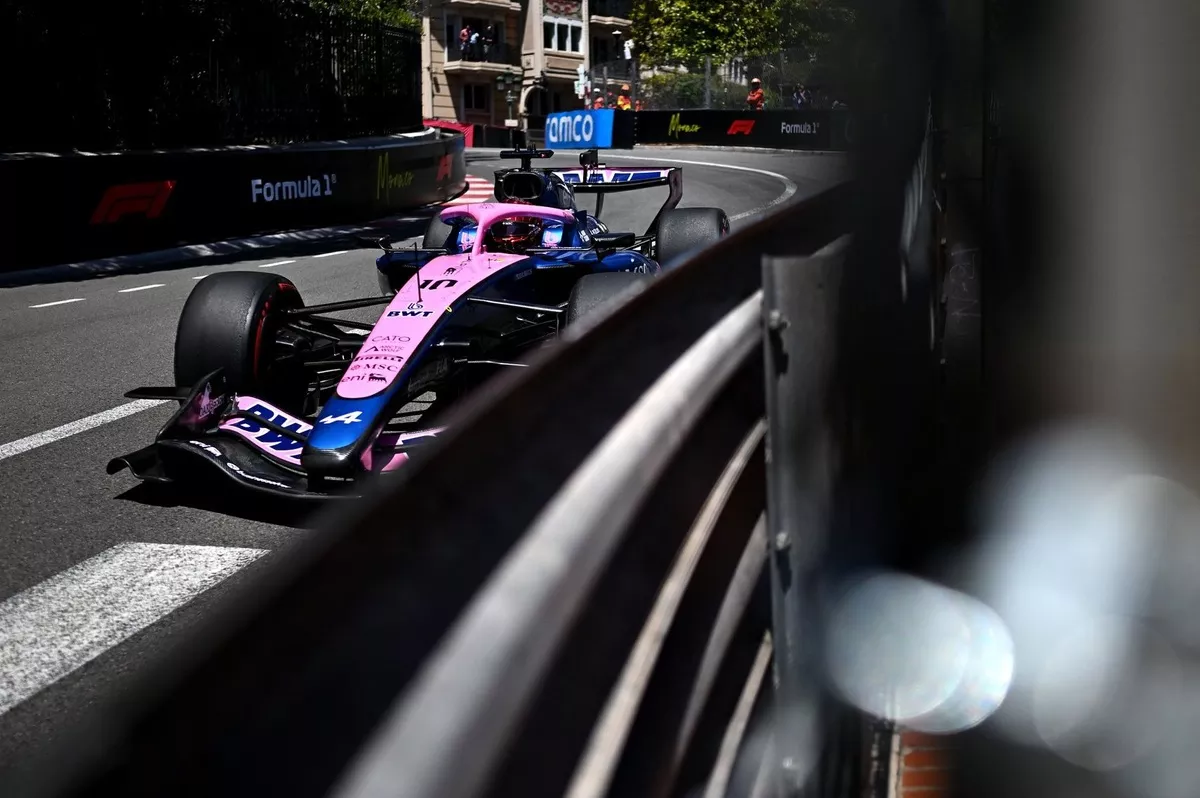
The fallout from the 2026 Monaco Grand Prix is far from over, as Alpine pushes the FIA to reopen the case that cost Pierre Gasly a podium finish. What initially looked like a settled result has now escalated into a formal review process, with the governing body confirming a hearing that could, in theory, alter the final classification.
While such reversals are rare in Formula 1, the case has reignited debate over consistency in stewarding, pit lane enforcement, and whether teams are increasingly using post-race protests as strategic tools rather than genuine appeals for fairness.
WHY ALPINE IS CHALLENGING THE MONACO RESULT
Alpine’s request centers on penalties applied to Gasly during a chaotic Monaco race, particularly incidents involving pit lane speeding that ultimately dropped him out of a podium position.
The team believes there are grounds for a “right of review,” meaning they must present significant new evidence or demonstrate that the original decision may have been based on incomplete or incorrect information.
In simple terms, Alpine is arguing that the penalty decisions that shaped Gasly’s result may not have been fully justified or consistently applied compared to similar incidents involving other drivers.
This is not just about one race. It is about principle, consistency, and the perception of fairness in one of Formula 1’s most tightly regulated environments.
WHY MONACO ALWAYS CREATES STEWARDING CONTROVERSY
Monaco is unlike any other circuit on the Formula 1 calendar.
The narrow streets, limited runoff areas, and constant traffic congestion make race control extremely complex. Every pit stop, every release into the pit lane, and every speed delta becomes critical.
As a result, Monaco often produces:
More time penalties than normal races
Higher sensitivity to pit lane infractions
Increased tension between teams and stewards
In this environment, even minor inconsistencies in enforcement can have massive consequences on the final standings.
That is exactly what makes Alpine’s protest so significant. A podium at Monaco is one of the most valuable results in the sport, both financially and symbolically.
WHY TEAMS ARE NOW MORE AGGRESSIVE WITH FIA REVIEWS
In modern Formula 1, protests and reviews are becoming more common, and not just because teams feel wronged.
There is also a strategic layer.
A podium finish in Monaco can influence:
Championship momentum
Sponsor value and media exposure
Driver reputation and contract leverage
Even when a reversal is unlikely, teams increasingly use FIA hearings to:
Signal dissatisfaction publicly
Apply pressure for future consistency
Reframe narratives for sponsors and fans
Alpine’s move therefore sits at the intersection of sporting justice and political messaging.
WHAT THIS MEANS FOR PIERRE GASLY
For Pierre Gasly, the situation is frustrating but familiar in a sport where results can be reshaped long after the chequered flag.
Gasly’s Monaco performance was widely seen as one of his strongest weekends in recent seasons, with the French driver delivering under pressure on a track where overtaking is nearly impossible and strategy is everything.
Losing a podium in such circumstances is not just a statistical setback. It affects:
Driver confidence
Seasonal momentum
Internal team morale
Even if the FIA ultimately rejects Alpine’s appeal, the fact that the case has reached a formal hearing shows how close the margins were.
THE FIA’S DILEMMA: CONSISTENCY VS FINALITY
The FIA now faces a familiar but difficult balancing act.
On one side is the need for consistency in stewarding decisions. If teams believe penalties are applied unevenly, trust in race control begins to erode.
On the other side is the principle of finality. Formula 1 cannot function effectively if every result remains open to revision long after the race has ended.
This is why “right of review” cases are so rare. The threshold is intentionally high to prevent constant legal-style disputes over race outcomes.
Whatever the outcome of the Alpine case, it will likely be used as a reference point for future protest decisions.
COULD THE MONACO RESULT ACTUALLY CHANGE?
Realistically, overturning a Monaco result is extremely unlikely.
Unless Alpine can produce clear, previously unavailable evidence showing a procedural error or misapplication of regulations, the FIA typically upholds original decisions.
However, even if the result does not change, Alpine may still consider the process a success if it leads to:
Clarified stewarding guidelines
Improved consistency in pit lane penalties
Acknowledgment of ambiguous rulings
In Formula 1, influence is sometimes more valuable than reversal.
IMPACT ON THE CHAMPIONSHIP AND PADDOCK POLITICS
While this situation does not directly affect the top of the championship standings, it does contribute to a broader theme emerging in 2026: increasing tension between teams and race control.
As performance gaps tighten across the grid, every point matters more than ever. That means:
Midfield battles are becoming more aggressive
Stewarding decisions carry greater weight
Post-race protests are increasing in frequency
Alpine’s challenge is another example of how tightly contested the field has become, where even a single penalty can reshape an entire weekend’s narrative.
WHAT HAPPENS NEXT
The FIA hearing scheduled for Thursday will determine whether Alpine’s case meets the strict criteria required for a full review.
If accepted, the governing body will re-examine the evidence and decide whether any correction is warranted. If rejected, the Monaco results will stand as officially classified.
Either way, the case is unlikely to disappear quietly. Teams across the grid will be watching closely, particularly those who have experienced similar penalty controversies in recent seasons.
FINAL THOUGHTS
Pierre Gasly’s lost Monaco podium has evolved into something bigger than a single race dispute. It has become a test case for how Formula 1 handles fairness, consistency, and accountability in one of the sport’s most unforgiving environments.
Alpine’s decision to pursue a review may not guarantee a change in results, but it reinforces a growing reality in modern F1: races no longer end at the finish line.
They often continue in the stewards’ office long after the champagne has dried.
And in a season where every point counts, that battle off the track may be just as important as the one on it.