FIA FAVORITISM CLAIMS REIGNITE DEBATE AS FORMULA 1 FANS QUESTION MERCEDES’ TREATMENT Formula 1 has never been short of controversy, but few topics ignite debate quite like accusations that the FIA favors one team over another. Following the latest stewarding decisions involving Mercedes, social media has once again erupted with claims that Formula 1’s governing body is giving preferential treatment to the Silver Arrows. Whether those claims are justified or simply emotional reactions from passionate fans, the discussion highlights a much bigger issue facing the sport: trust in officiating and the challenge of keeping Formula 1 competitive, entertaining, and credible. WHY FANS BELIEVE MERCEDES RECEIVES SPECIAL TREATMENT Every controversial FIA decision creates winners and losers. When a penalty is avoided or a disputed incident is ruled in favor of a particular driver or team, accusations of bias quickly follow. Mercedes has frequently found itself at the center of these debates over the past decade. As one of Formula 1’s most successful teams, every stewarding decision involving Mercedes naturally receives greater scrutiny than decisions involving midfield competitors. Recent incidents have once again fueled online criticism, with many fans arguing that similar situations involving rival teams might have produced different outcomes. However, proving systematic favoritism is considerably more difficult than expressing frustration on social media. THE FIA’S BIGGEST CHALLENGE IS CONSISTENCY The real issue may not be favoritism but consistency. Formula 1 fans have repeatedly criticized the FIA for applying regulations differently from one race weekend to another. Similar incidents can receive completely different penalties depending on the circumstances, available evidence, or even the panel of stewards officiating each Grand Prix. That inconsistency creates uncertainty and fuels conspiracy theories whenever a high-profile team appears to benefit. Improving transparency around stewarding decisions would go a long way toward restoring confidence among fans. THE ELECTRIFICATION DEBATE CONTINUES Some fans have also linked these frustrations to Formula 1’s increasing focus on hybrid technology and sustainable power units. Since the introduction of hybrid engines in 2014, Formula 1 has transformed into a showcase for cutting-edge efficiency rather than simply raw horsepower. Supporters argue that hybrid technology keeps Formula 1 relevant to modern automotive development and encourages innovation. Critics, however, miss the thunderous sound and simpler racing philosophy of previous generations, believing today’s cars rely too heavily on complex energy management systems. The upcoming engine regulations attempt to balance sustainability with exciting racing, but opinions remain deeply divided. WHY THIS MATTERS FOR THE CHAMPIONSHIP Every controversial FIA ruling has the potential to influence championship battles. A single qualifying decision, time penalty, or racing incident can dramatically alter points standings, affect team strategies, and even shape title races over an entire season. That is why fans expect absolute consistency from race officials. Even the appearance of unequal treatment can damage confidence in the sport, regardless of whether bias actually exists. IS FORMULA 1 BECOMING LESS EXCITING? Some longtime supporters argue that increasing regulations, stricter technical rules, and complex stewarding decisions have reduced Formula 1’s unpredictability. Others point to closer competition, multiple race winners, and tighter championship battles as evidence that the sport remains healthier than ever. The truth probably lies somewhere between those viewpoints. Modern Formula 1 delivers incredible engineering excellence and razor-thin competitive margins, but maintaining fan confidence requires transparent decision-making that leaves little room for accusations of favoritism. LOOKING AHEAD Formula 1’s popularity continues to grow worldwide, but so do expectations for fair officiating. The FIA will likely continue reviewing stewarding procedures and communication as the championship progresses. Greater transparency, clearer explanations, and more consistent rule enforcement could help reduce many of the controversies that dominate post-race discussions. Ultimately, passionate debate has always been part of Formula 1. But for the sport to continue thriving, fans need confidence that every driver and every team competes on a level playing field, with results determined by performance rather than perception. Disclaimer: The claim that the FIA favors Mercedes reflects opinions expressed by some fans and has not been proven. The FIA maintains that stewarding decisions are made according to the Formula 1 Sporting Regulations and available evidence.
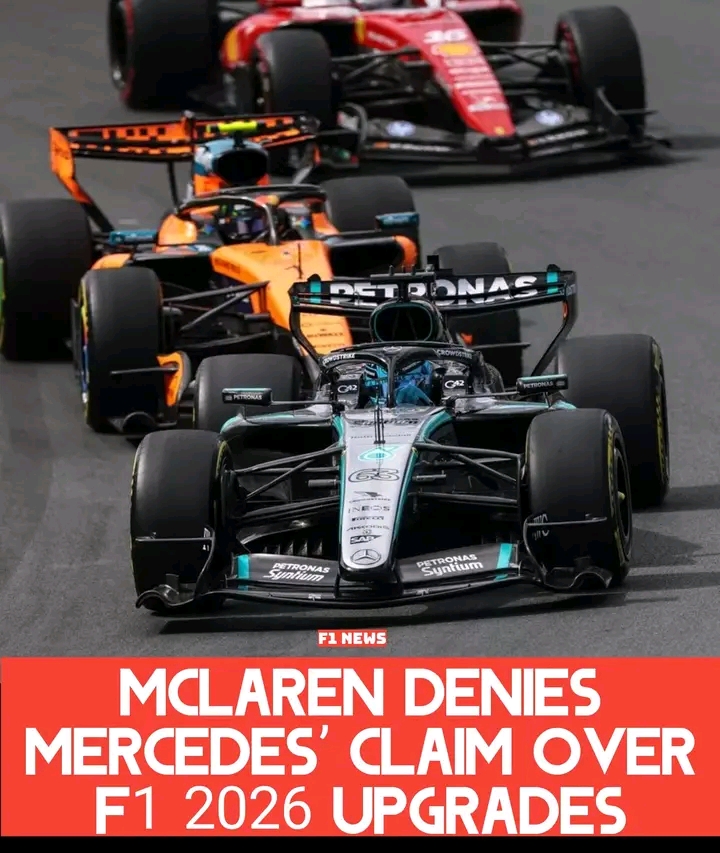

Formula 1 has never been short of controversy, but few topics ignite debate quite like accusations that the FIA favors one team over another. Following the latest stewarding decisions involving Mercedes, social media has once again erupted with claims that Formula 1’s governing body is giving preferential treatment to the Silver Arrows.

Whether those claims are justified or simply emotional reactions from passionate fans, the discussion highlights a much bigger issue facing the sport: trust in officiating and the challenge of keeping Formula 1 competitive, entertaining, and credible.

WHY FANS BELIEVE MERCEDES RECEIVES SPECIAL TREATMENT

Every controversial FIA decision creates winners and losers. When a penalty is avoided or a disputed incident is ruled in favor of a particular driver or team, accusations of bias quickly follow.

Mercedes has frequently found itself at the center of these debates over the past decade. As one of Formula 1’s most successful teams, every stewarding decision involving Mercedes naturally receives greater scrutiny than decisions involving midfield competitors.

Recent incidents have once again fueled online criticism, with many fans arguing that similar situations involving rival teams might have produced different outcomes.

However, proving systematic favoritism is considerably more difficult than expressing frustration on social media.

THE FIA’S BIGGEST CHALLENGE IS CONSISTENCY

The real issue may not be favoritism but consistency.

Formula 1 fans have repeatedly criticized the FIA for applying regulations differently from one race weekend to another. Similar incidents can receive completely different penalties depending on the circumstances, available evidence, or even the panel of stewards officiating each Grand Prix.

That inconsistency creates uncertainty and fuels conspiracy theories whenever a high-profile team appears to benefit.

Improving transparency around stewarding decisions would go a long way toward restoring confidence among fans.

THE ELECTRIFICATION DEBATE CONTINUES

Some fans have also linked these frustrations to Formula 1’s increasing focus on hybrid technology and sustainable power units.

Since the introduction of hybrid engines in 2014, Formula 1 has transformed into a showcase for cutting-edge efficiency rather than simply raw horsepower.

Supporters argue that hybrid technology keeps Formula 1 relevant to modern automotive development and encourages innovation.

Critics, however, miss the thunderous sound and simpler racing philosophy of previous generations, believing today’s cars rely too heavily on complex energy management systems.

The upcoming engine regulations attempt to balance sustainability with exciting racing, but opinions remain deeply divided.

WHY THIS MATTERS FOR THE CHAMPIONSHIP

Every controversial FIA ruling has the potential to influence championship battles.

A single qualifying decision, time penalty, or racing incident can dramatically alter points standings, affect team strategies, and even shape title races over an entire season.

That is why fans expect absolute consistency from race officials. Even the appearance of unequal treatment can damage confidence in the sport, regardless of whether bias actually exists.

IS FORMULA 1 BECOMING LESS EXCITING?

Some longtime supporters argue that increasing regulations, stricter technical rules, and complex stewarding decisions have reduced Formula 1’s unpredictability.

Others point to closer competition, multiple race winners, and tighter championship battles as evidence that the sport remains healthier than ever.

The truth probably lies somewhere between those viewpoints.

Modern Formula 1 delivers incredible engineering excellence and razor-thin competitive margins, but maintaining fan confidence requires transparent decision-making that leaves little room for accusations of favoritism.

LOOKING AHEAD

Formula 1’s popularity continues to grow worldwide, but so do expectations for fair officiating.

The FIA will likely continue reviewing stewarding procedures and communication as the championship progresses. Greater transparency, clearer explanations, and more consistent rule enforcement could help reduce many of the controversies that dominate post-race discussions.

Ultimately, passionate debate has always been part of Formula 1. But for the sport to continue thriving, fans need confidence that every driver and every team competes on a level playing field, with results determined by performance rather than perception.

Disclaimer: The claim that the FIA favors Mercedes reflects opinions expressed by some fans and has not been proven. The FIA maintains that stewarding decisions are made according to the Formula 1 Sporting Regulations and available evidence.
Leave a Reply

Your email address will not be published. Required fields are marked *