Formula 1’s governing body has effectively acknowledged that Oscar Piastri was on the wrong end of a controversial stewarding decision at the Belgian Grand Prix, with the FIA introducing a tougher interpretation of racing rules that could significantly alter wheel-to-wheel battles for the remainder of the 2026 season. The move comes after widespread criticism of Charles Leclerc escaping punishment following his collision with the McLaren driver at Spa-Francorchamps, an incident that many believed cost Piastri a realistic shot at another podium finish.
BELGIAN GRAND PRIX INCIDENT CONTINUES TO DIVIDE THE PADDOCK
The controversy began during one of the most intense moments of the Belgian Grand Prix, as Piastri launched an attack on Leclerc while battling for a place on the podium.
Approaching the Les Combes braking zone, Leclerc defended aggressively by squeezing the Australian towards the edge of the circuit. Contact between the two cars followed, damaging the floor of Piastri’s McLaren and compromising his pace for the remainder of the race.
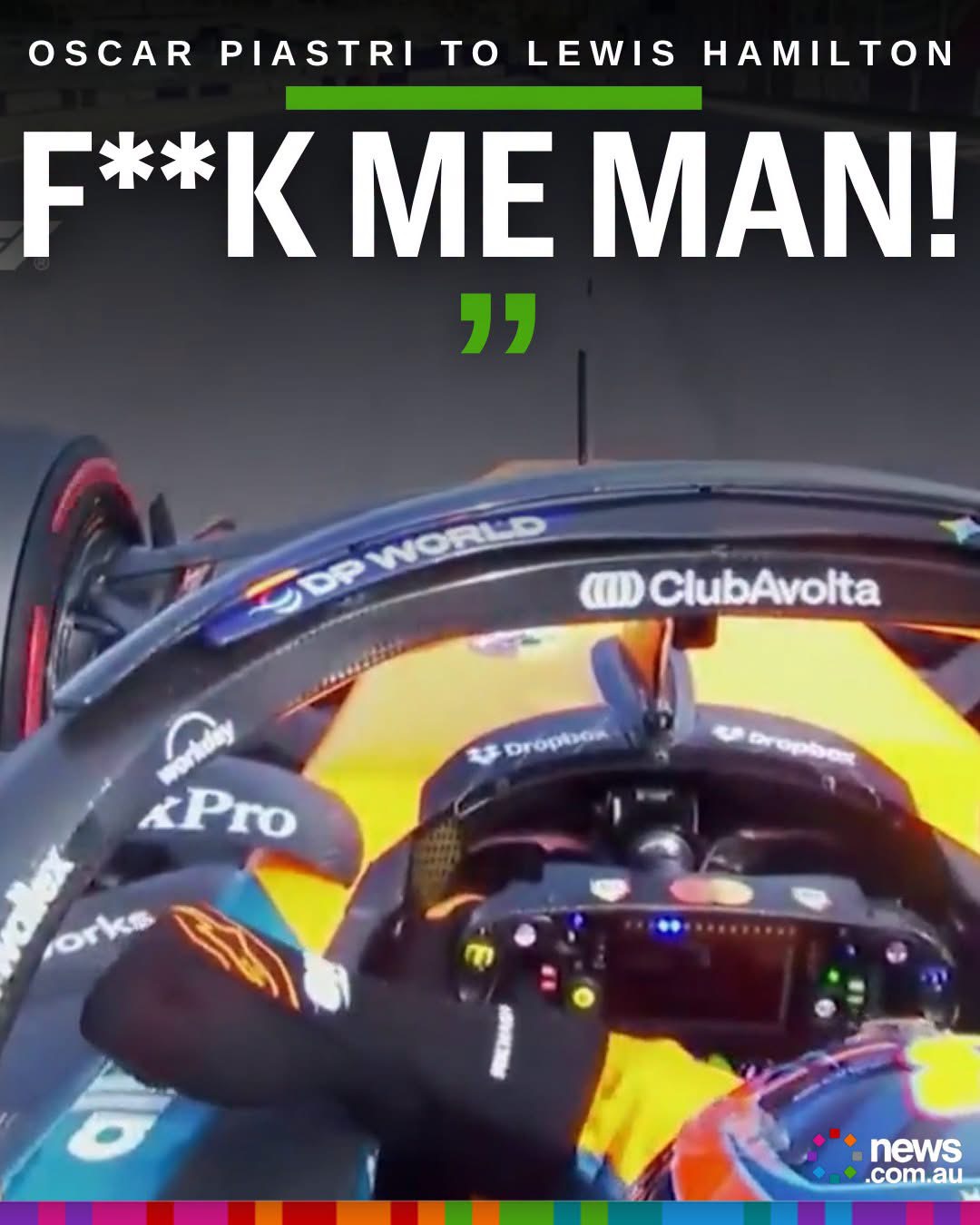
Despite the collision, race stewards opted not to penalize Leclerc, allowing the Ferrari driver to retain his finishing position. Piastri immediately voiced his frustration over team radio, arguing that he had not been given sufficient racing room and warning that the move could easily have resulted in a far more serious accident.
The decision quickly became one of the most debated stewarding calls of the season.
DRIVER FRUSTRATION PROMPTS FIA REASSESSMENT
The fallout from Spa extended well beyond race day.
Several drivers privately questioned whether the stewards had unintentionally encouraged overly aggressive defensive driving. The concern was not simply about the Leclerc-Piastri incident itself but about the precedent it established for future battles.
Ahead of the Hungarian Grand Prix, Piastri openly expressed his concerns, suggesting that allowing drivers to leave rivals the absolute minimum amount of space without consequences created unnecessary risks.
Those comments resonated throughout the paddock and became a central topic during a scheduled meeting between Formula 1 drivers and FIA officials. Rather than dismissing the complaints, the governing body listened carefully to the collective feedback before reviewing its interpretation of racing incidents.
NEW PENALTY GUIDELINES COULD CHANGE FUTURE RACING
Following discussions with the drivers, the FIA reportedly reached an important conclusion.
Officials agreed that incidents similar to the Leclerc-Piastri clash should receive stronger punishment going forward. Under the revised interpretation, a driver who squeezes a rival excessively on corner entry and causes avoidable contact is now expected to receive a five-second time penalty.
While the written sporting regulations have not fundamentally changed, the revised stewarding approach represents a significant shift in how similar incidents are likely to be judged.
The update aims to provide greater consistency while encouraging drivers to leave sufficient racing room during overtaking battles.
WHY THE DECISION MATTERS FOR THE CHAMPIONSHIP
This clarification could have major implications as the championship battle intensifies.
Every position has become increasingly valuable in both the Drivers’ and Constructors’ Championships, particularly with several teams separated by narrow margins. Drivers can no longer assume that aggressive defensive tactics will be viewed leniently if they force competitors off the racing surface or cause avoidable contact.
For McLaren, the FIA’s revised stance provides reassurance that future incidents involving Norris or Piastri are more likely to be judged under stricter standards. Ferrari, Red Bull, Mercedes, and every other team will also need to adjust how their drivers approach close racing situations, especially in heavy braking zones where many overtaking attempts begin.
The new interpretation could encourage cleaner racing while reducing controversial stewarding decisions during the remainder of the season.
A LESSON THAT COULD SHAPE FORMULA 1’S FUTURE
Formula 1 constantly evolves, not only through technical regulations but also through how race officials interpret on-track incidents.
The Belgian Grand Prix may ultimately be remembered less for its finishing order and more for prompting a change in stewarding philosophy. While the revised approach cannot restore the positions Piastri potentially lost at Spa, it could prevent similar controversies in future races.
As the 2026 title fight enters its decisive stages, drivers now have greater clarity regarding acceptable defensive driving. That clarity should help produce fairer competition while preserving the intense wheel-to-wheel action that defines modern Formula 1.
Whether the FIA’s tougher stance reduces controversy or simply creates new debates remains to be seen, but one thing is already clear: Oscar Piastri’s frustration in Belgium has had a lasting impact on how Formula 1 intends to police racing incidents moving forward.