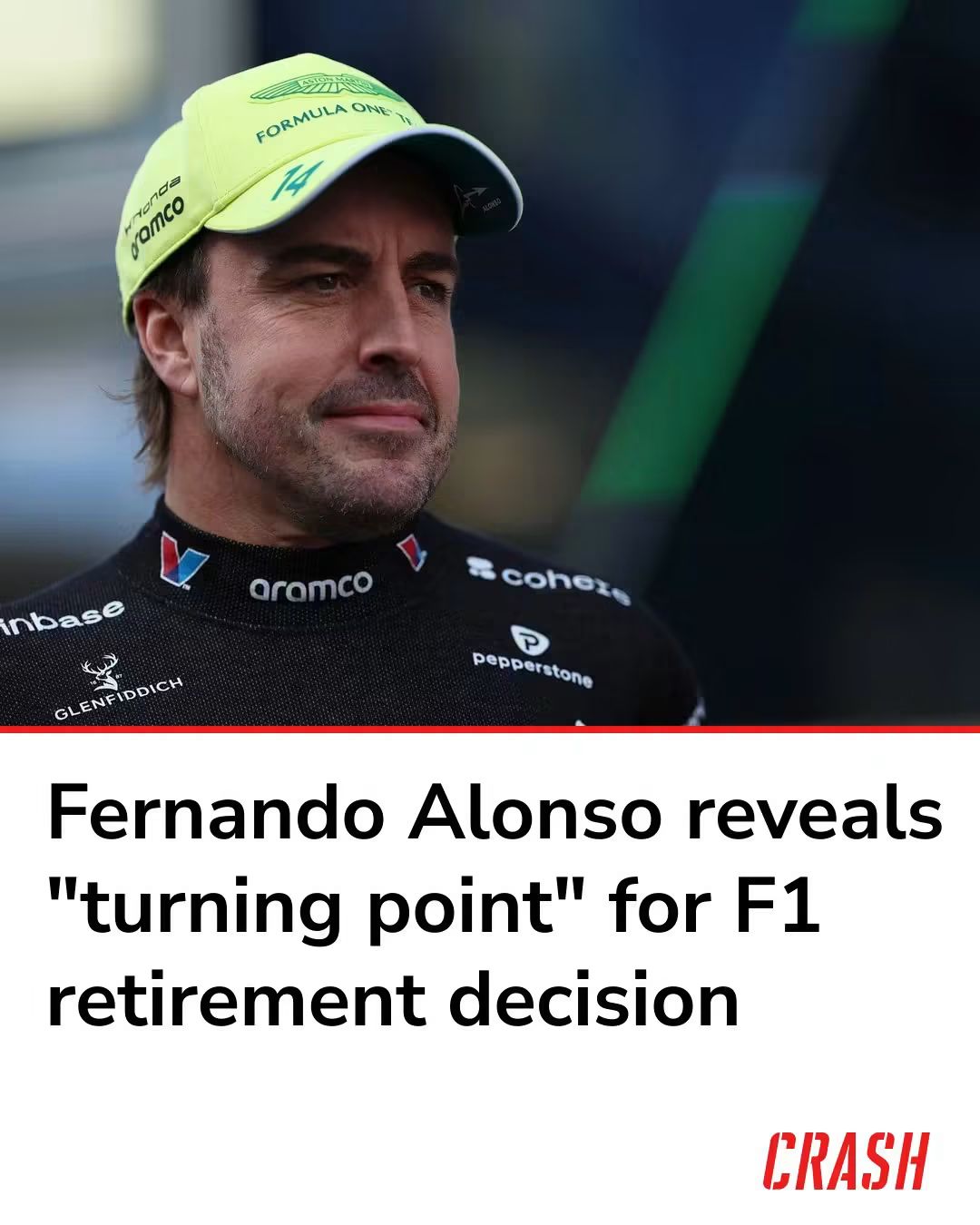
Fernando Alonso is not done yet. At 45 years old and after a frustrating 2026 season spent mostly toward the back of the grid, the two-time Formula 1 world champion has confirmed he will race on with Aston Martin next year. In a characteristically sharp announcement video, the Spaniard teased retirement only to deliver the punchline that fans and the team had been waiting for: not yet.
The decision ends months of speculation. Alonso’s previous deal was set to expire at the end of 2026. Aston Martin struggled badly under the new technical regulations and with its Honda power unit, scoring only a handful of points—almost all of them courtesy of Alonso himself. Many expected the veteran to walk away or explore other racing options. Instead, he doubled down.
WHY ALONSO REFUSES TO STEP AWAY FROM THE COCKPIT
The clearest reason Alonso gave was pure self-belief. In interviews following the announcement, he explained that he still feels as fast as anyone on the grid. He notices other drivers locking up, making small mistakes, and braking earlier than he would. That edge, he insists, has not disappeared.
“I still feel self-confidence that I have something extra,” Alonso said. When he contemplates stepping into a non-driving role or watching from the sidelines, something feels wrong. “I still feel as fast as anybody. So let’s have another go.”
He went further, describing a competitive mindset that refuses to quit while that feeling remains: “I’m better than that guy. I’m better than that other guy… And I cannot stop racing if I still think like that.”
Racing is not just a job for Alonso. It is identity. He has been competing since he was a small child in Oviedo. Formula 1 remains in his blood even after more than two decades at the highest level. One more year, he concluded, made complete sense.
THE DIFFICULT 2026 CONTEXT THAT MADE THE DECISION HARDER
This was not an easy call. The 2026 regulations shifted the balance heavily toward hybrid power and energy management. Alonso, like several other experienced drivers, has been vocal about how the cars feel less rewarding to drive. The pure mechanical connection and high-speed commitment that defined earlier eras are harder to find.
Aston Martin’s performance compounded the frustration. The team that had shown promise in previous years found itself near the bottom. Reliability issues and a lack of pace left Alonso fighting for scraps. For a driver who has won 32 Grands Prix and fought for multiple titles, finishing races outside the points week after week tests anyone’s motivation.
Yet that same difficulty may have reinforced his choice. Alonso has never been one to leave unfinished business. Walking away after a year of struggle would have felt incomplete. Staying gives him the chance to see whether the project—backed by significant investment, facilities, and talent including Adrian Newey’s influence—can climb the order in 2027.
WHAT THIS MEANS FOR ASTON MARTIN AND LANCE STROLL
Aston Martin gains continuity and credibility. Retaining Alonso for 2027, alongside teammate Lance Stroll for a fifth consecutive season together, signals stability. In a sport where driver market drama is constant, locking in an experienced, still-competitive star is valuable. Alonso brings more than lap time. His feedback, work ethic, and ability to extract results from imperfect machinery remain assets as the team develops its car and works with Honda.
For Stroll, the partnership continues. The pair have developed a functional working relationship over four seasons. Keeping both drivers removes uncertainty and allows the team to focus on performance rather than recruitment.
The broader impact on the team is cultural. Alonso’s public commitment—“I’m committed for the long term with this team and to helping us succeed”—reinforces the message that Aston Martin is building something lasting. Whether that translates into results in 2027 remains the open question, but the driver line-up is no longer a distraction.
THE BIGGER PICTURE FOR FORMULA 1 AND LONGEVITY
Alonso’s decision carries weight beyond one team. Modern Formula 1 has seen careers extend further than previous generations, thanks to fitness standards, safety improvements, and better understanding of recovery. At 45, Alonso will turn 46 during the 2027 season and become one of the oldest full-time drivers in recent memory. His continued presence challenges assumptions about peak performance windows.
It also highlights the unique appeal of Formula 1. Alonso has raced sports cars, won at Le Mans, and considered other series. Yet the pinnacle category still holds him. The intensity, the global stage, the weekly demand for perfection—these elements remain unmatched for him.
For younger drivers and the wider paddock, his stance offers a reminder that motivation and self-assessment matter more than chronological age. As long as a driver can still extract competitive performance and feels the hunger, the cockpit remains available.
PREDICTIONS AND WHAT COMES NEXT
Expect Alonso to approach 2027 with the same intensity that defined his entire career. He will demand progress from the car and the team. If Aston Martin takes a meaningful step forward, conversations about 2028 and beyond will surface quickly. Alonso has already indicated he does not view next season as a pure farewell tour. He has spoken about continuing for as long as he enjoys it and remains competitive.
A significant improvement in competitiveness would likely extend his stay. Continued struggle would test even his resolve. Either way, he has made clear that retirement will come only when he no longer feels that extra edge—when the “I’m better than that other guy” voice finally falls silent.
Until then, Formula 1 retains one of its most experienced, outspoken, and still-dangerous competitors. Alonso’s decision is less about nostalgia and more about an honest assessment of his own abilities. In a sport obsessed with the next young talent, a 45-year-old refusing to fade quietly is a compelling story in its own right.
The 2027 season now carries an extra layer of interest. Can Aston Martin deliver a car worthy of Alonso’s continued commitment? And can the double champion still deliver the kind of performances that justify staying when many would have already left? Fans will be watching closely, just as they have for more than two decades.