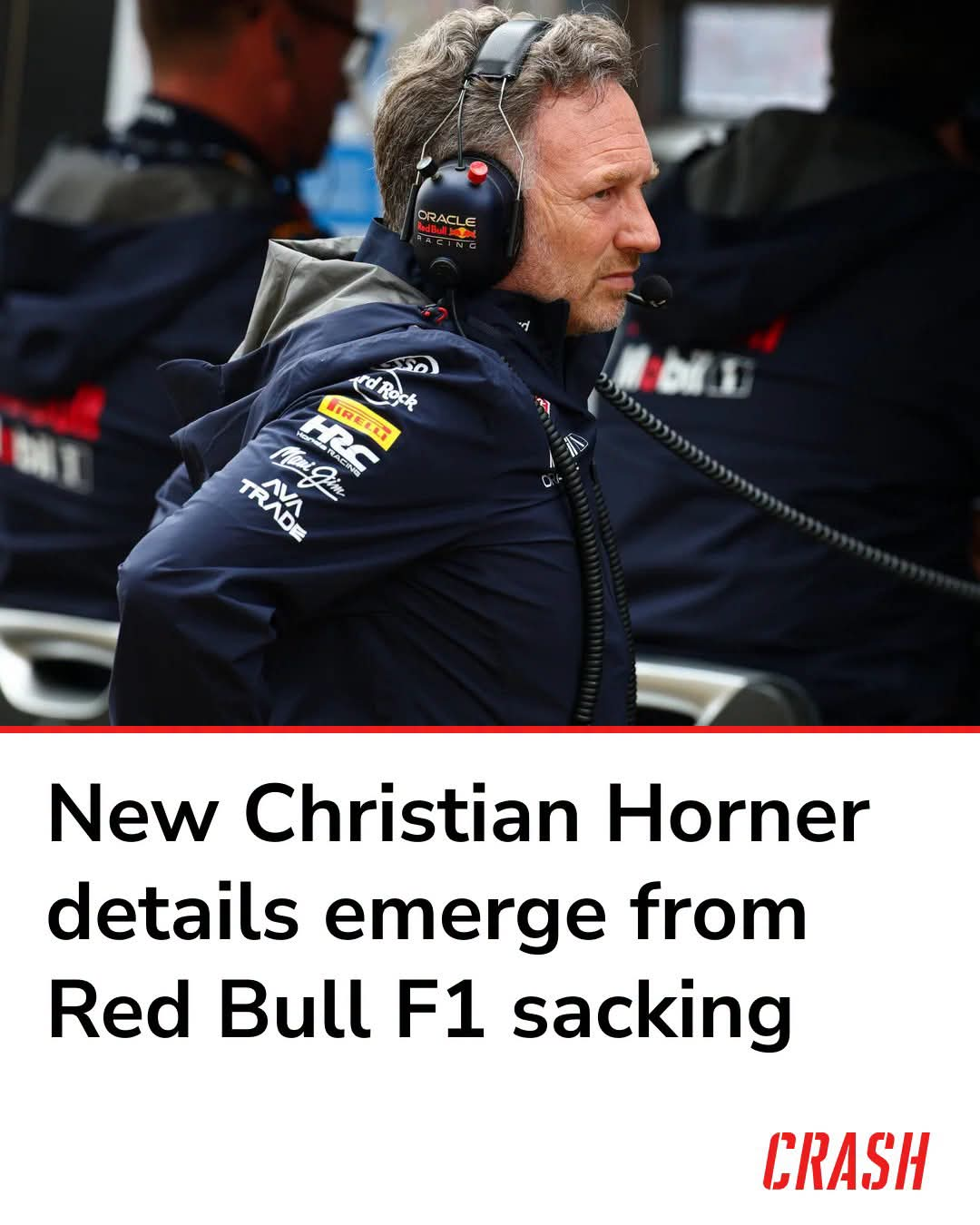
Christian Horner spent two decades building Red Bull Racing into one of Formula 1’s most dominant forces. From the team’s early days after the Jaguar takeover to back-to-back eras of championship glory with Sebastian Vettel and Max Verstappen, he was the constant. Then, in July 2025, it ended with shocking abruptness. More than a year later, the former team principal and CEO is speaking more openly about what happened, painting a picture of corporate shift, perceived overreach, and a decision that still stings.
In recent interviews, including a detailed conversation with *The Guardian*, Horner has described the exit as brutal and opaque. He was not handed a detailed explanation at the time. When he pressed for one, the feedback centered on a sense that too much control sat in his hands and that the operation had come to feel more like “Christian Horner Racing than Red Bull Racing.” He links the change directly to the death of Red Bull founder Dietrich Mateschitz in 2022, after which the leadership dynamics in Austria evolved and the autonomy Milton Keynes had long enjoyed began to tighten.
THE DEATH OF A FOUNDER AND A SHIFT IN CONTROL
Mateschitz had been Horner’s key backer. Once that personal relationship was gone, the structure changed. Horner has said the company moved toward more committee-driven, head-office control. What had once been a relatively free-wheeling, high-performing British operation under strong local leadership now faced greater direction from Salzburg. He has been careful not to blame individuals in a personal way for every detail, but he has pointed to the broader post-Mateschitz environment and named the involvement of figures such as Oliver Mintzlaff in the decision-making process, with Helmut Marko described in some accounts as advising from the sidelines.
Horner has explicitly rejected the long-running paddock theory that the Verstappen camp forced the issue. “No, it was a Red Bull decision,” he has stated. “After Dietrich died, things changed in the leadership.” He has also dismissed the idea that the 2024 allegations of inappropriate behaviour—cleared by internal processes—were the decisive factor. Those had already been resolved, in his view. The focus, he says, was more on performance and the future direction of the team.
Performance had indeed slipped from the heights of the Verstappen title years. Key technical and sporting figures had left. The car was no longer the clear class of the field. Still, Horner notes that around the time of his departure the team had shown strong form at Silverstone, taking pole and leading before the weather intervened. The decision landed anyway, and it landed hard. He has described the manner of the exit as sudden, with little chance for a proper goodbye to the organisation he had shaped for two decades.
WHAT THE EXIT MEANT FOR RED BULL AND THE WIDER PADDOCK
The sacking of a figure as central as Horner was never going to be a quiet personnel change. Red Bull promoted Laurent Mekies from the sister Racing Bulls team to take over. The organisation had already been navigating staff turnover, the ongoing development of its own power unit programme, and questions about Max Verstappen’s long-term future. Removing the man most associated with the team’s identity risked further disruption, yet the Austrian leadership clearly judged that a reset was required.
For the wider Formula 1 industry the episode underlined how even the most successful operations are subject to ownership priorities that can override track record. Horner’s tenure delivered 124 race wins, multiple drivers’ and constructors’ titles, major sponsorship growth, and the foundation of Red Bull’s engine programme. Those numbers are hard to argue with. Yet when the perception grew that the team’s public face and decision-making had become too closely tied to one individual, the board acted. Other teams watching the episode will have noted both the risks of concentrating power and the reality that ultimate control still sits with the owners.
Horner has spoken of the personal impact. He put his heart and soul into the project. Losing it so suddenly, especially while dealing with family matters at the time, was painful. The large severance package that followed—reported in the tens of millions of pounds—offered financial security but could not replace the unfinished business of seeing the in-house power unit project fully realise its potential under his leadership.
LOOKING AHEAD: WILL HORNER RETURN, AND ON WHAT TERMS?
Horner has made clear he does not need to return to Formula 1. The financial settlement gives him options and time. At the same time, he has left the door open for the right opportunity—one with genuine ownership or partnership rather than another hired-gun role, and one capable of winning. Rumours have circulated about possible future involvement elsewhere, but he has emphasised he is in no rush and will not return for the sake of it.
The story of his departure also raises longer-term questions for Red Bull. Has the team recovered the “mojo” and clear identity Horner believes it lost in the months after his exit? Can the current structure deliver sustained success in a highly competitive field without the same degree of autonomy and personal leadership style that defined the Vettel and Verstappen eras? Those answers will play out on track over the coming seasons.
Horner’s recent comments do not rewrite the history of his final years at the team. Performance challenges, high-profile departures, and internal tensions were real. What they do is add his perspective to a story that was previously told mostly through official silence and paddock speculation. The version that emerges is one of a founder’s death altering the balance of power, a successful but highly centralised leader becoming a perceived risk, and a decision executed with little ceremony.
Formula 1 has seen many team principals come and go. Few have left as large a mark or exited in quite such abrupt fashion after such prolonged success. Horner’s willingness to discuss the circumstances now, more than a year on, gives the sport a clearer picture of how even the most entrenched figures can find the ground shifting beneath them when ownership priorities change. Whether that chapter ultimately leads to a new role in the paddock or a permanent step away remains open. What is already clear is that the Red Bull story he helped write remains one of the most consequential of the modern era—and that its final pages under his leadership still carry a sharp edge.