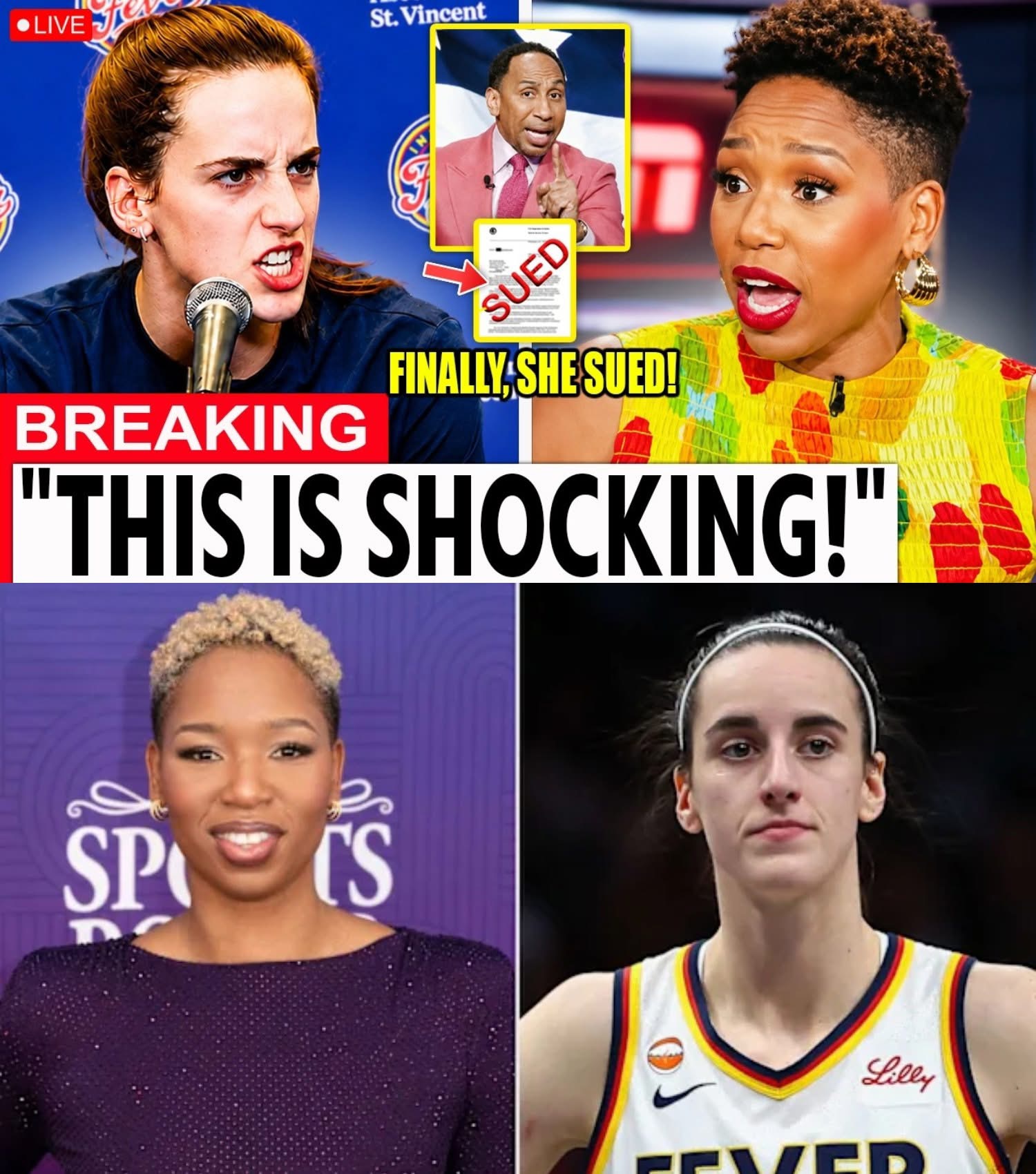
Caitlin Clark has once again found herself at the center of one of the biggest conversations in women’s basketball, but this time the controversy extends far beyond what happens on the court. Viral social media posts have claimed the Indiana Fever superstar filed a lawsuit against ESPN analyst Monica McNutt following comments about Clark’s popularity and race. However, while the debate surrounding McNutt’s remarks remains very real, there is no credible evidence that Clark has taken legal action.
The rumor has spread rapidly across YouTube, Facebook, and other social media platforms, fueling heated discussions among basketball fans. It has become another example of how quickly misinformation can gain traction when it involves one of the WNBA’s most recognizable figures. The actual story centers on differing perspectives about Clark’s unprecedented rise and what has driven the league’s explosive growth since her arrival.
MCNUTT’S COMMENTS CONTINUE TO DIVIDE FANS
The controversy traces back to comments Monica McNutt made while discussing Caitlin Clark’s popularity. McNutt argued that Clark’s appeal is influenced by multiple factors, including her background and the demographics of many of her supporters, while acknowledging that elite talent also plays an important role.
Those remarks immediately sparked fierce reactions online. Many Clark supporters felt the comments diminished her basketball achievements by placing too much emphasis on race rather than her historic accomplishments on the court.
Others defended McNutt, arguing that discussions surrounding race, representation, and sports fandom are legitimate topics that deserve thoughtful conversation. The debate quickly evolved into a broader discussion about media narratives, athlete coverage, and the challenges of discussing social issues in professional sports.
NO EVIDENCE OF A LAWSUIT AGAINST MCNUTT
Despite countless viral headlines claiming Clark sued McNutt for defamation or racist remarks, no verified court records or credible news organizations have reported such a lawsuit.
The claims appear to have originated from sensationalized social media videos designed to generate clicks rather than report verified facts. As of now, Clark has made no public announcement indicating she intends to pursue legal action against McNutt.
This distinction is important because misinformation can easily overshadow genuine discussions about media coverage, player treatment, and the future of the WNBA.
THE ‘CAITLIN CLARK EFFECT’ REMAINS UNDENIABLE
Regardless of differing opinions about why Clark resonates with so many fans, her impact on professional women’s basketball is difficult to dispute.
Since entering the WNBA, Clark has helped drive record television audiences, increased ticket demand across the league, boosted merchandise sales, and attracted new corporate partnerships. Opposing teams have regularly moved games to larger arenas to accommodate increased attendance whenever the Fever visit.
Her influence extends beyond statistics. Clark has become one of the league’s most recognizable ambassadors, introducing millions of casual sports fans to the WNBA while raising expectations for future commercial growth.
That visibility naturally brings increased scrutiny. Every comment involving Clark now generates headlines, and nearly every debate surrounding the league eventually circles back to her influence.
MEDIA COVERAGE REMAINS UNDER THE MICROSCOPE
The ongoing conversation highlights the increasingly complicated relationship between athletes, analysts, and modern sports media.
Television personalities are expected to provide honest analysis, but their comments are now dissected across social media within minutes. Likewise, athletes often become subjects of debates that extend well beyond basketball, placing them at the center of cultural and political conversations they did not necessarily seek.
For Clark, maintaining her focus on basketball while navigating constant media attention has become almost as challenging as facing opposing defenses every night.
WHAT THIS MEANS FOR THE WNBA’S FUTURE
The WNBA’s continued growth means discussions surrounding its biggest stars will only become more intense. Increased popularity brings greater investment, but it also creates an environment where every controversy is amplified across multiple platforms.
The league’s challenge moving forward will be ensuring that meaningful basketball conversations remain at the forefront while discouraging misinformation that distracts from the sport itself.
Caitlin Clark’s impact has already transformed the WNBA’s commercial landscape, and debates surrounding her popularity are unlikely to disappear anytime soon. But one thing remains clear: while opinions about her influence differ, false claims of legal action should not be confused with verified reporting.