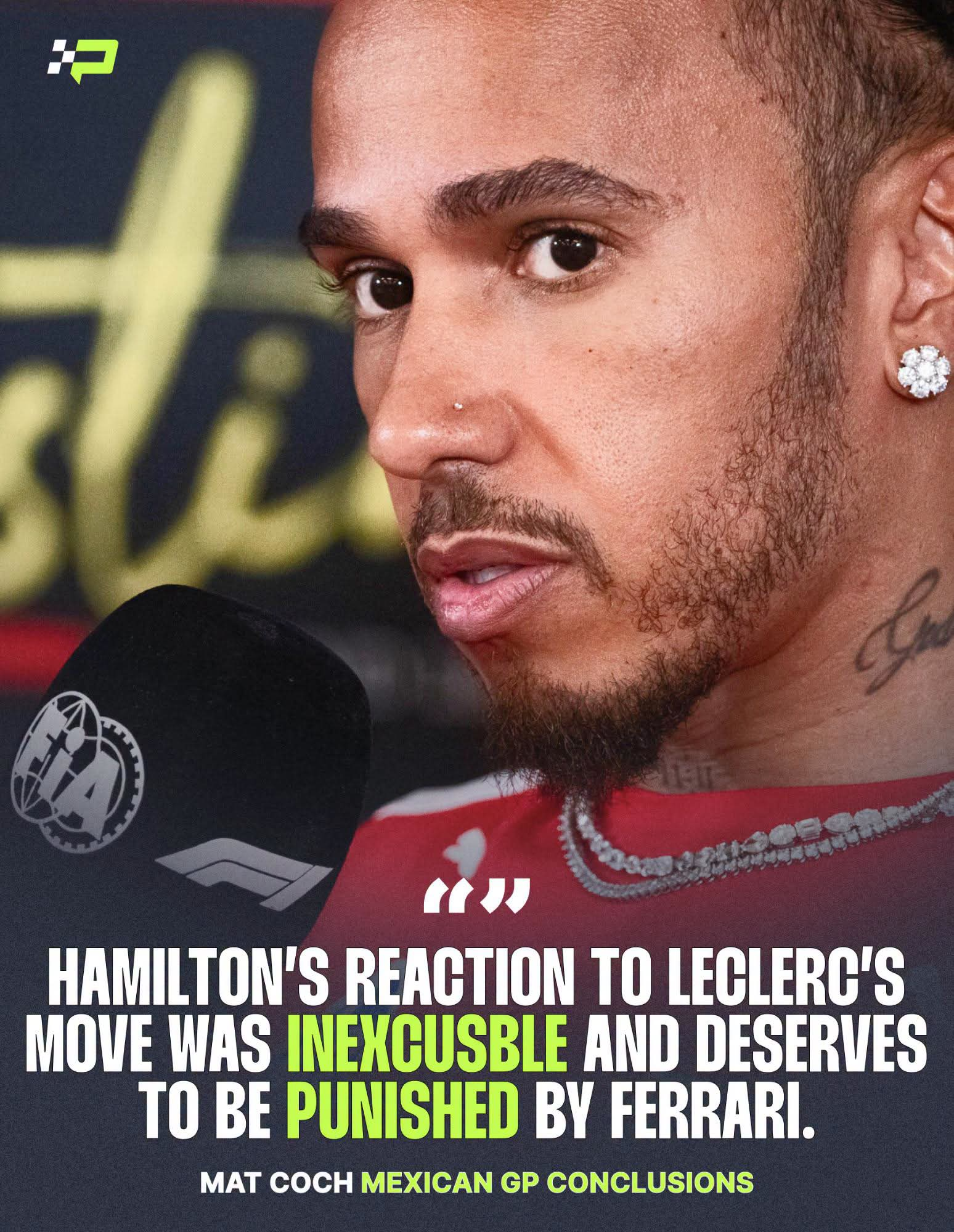
The stewards’ decision landed during one of the most frantic Formula 1 races of the 2026 season, and it landed hard on Ferrari. Charles Leclerc received a 10-second time penalty for causing a collision with teammate Lewis Hamilton at the Las Vegas Grand Prix, turning an already messy intra-team battle into a points-scoring disaster under the Strip’s bright lights.
Max Verstappen ultimately took the win in a race packed with lead changes, late drama, and multiple investigations. But the stewards’ call on the Ferrari clash became one of the defining moments of the night.
WHAT THE STEWARDS RULED AND WHY IT MATTERED
Race stewards reviewed video, telemetry, and driver evidence from the incident near Turn 7. They determined Leclerc was predominantly at fault after approaching from too far back and making contact that spun Hamilton. The 10-second time penalty was applied, dropping Leclerc down the order. He finished 10th. Hamilton, who had earlier received his own 10-second penalty for leaving the track and gaining an advantage while battling Lando Norris, ended the race seventh.
Ferrari team principal Fred Vasseur was left “more than upset,” describing the clash as unacceptable. The result left the Scuderia with a meager haul from a race that had offered far more potential.
The decision was consistent with recent driving standards guidelines that emphasize relative positioning and the obligation (or lack of it) to leave space. When a driver arrives from a significant deficit, the car ahead is not required to open the door. Leclerc’s move crossed that line in the stewards’ view.
HOW THE RACE UNFOLDED AROUND THE CONTROVERSY
Verstappen started from pole and spent the evening fighting off repeated challenges, particularly from the Mercedes pair of George Russell and Kimi Antonelli. The race featured dozens of lead changes in classic Las Vegas “yo-yo” fashion, with slipstreams and DRS battles constantly reshuffling the front of the field.
Late drama struck Mercedes hard. Russell locked up and hit the barriers while trying to pass Antonelli with just a couple of laps remaining, tumbling down the order to ninth. Antonelli held on for fourth. McLaren capitalized: Lando Norris finished second and Oscar Piastri charged through to third, securing a strong double podium.
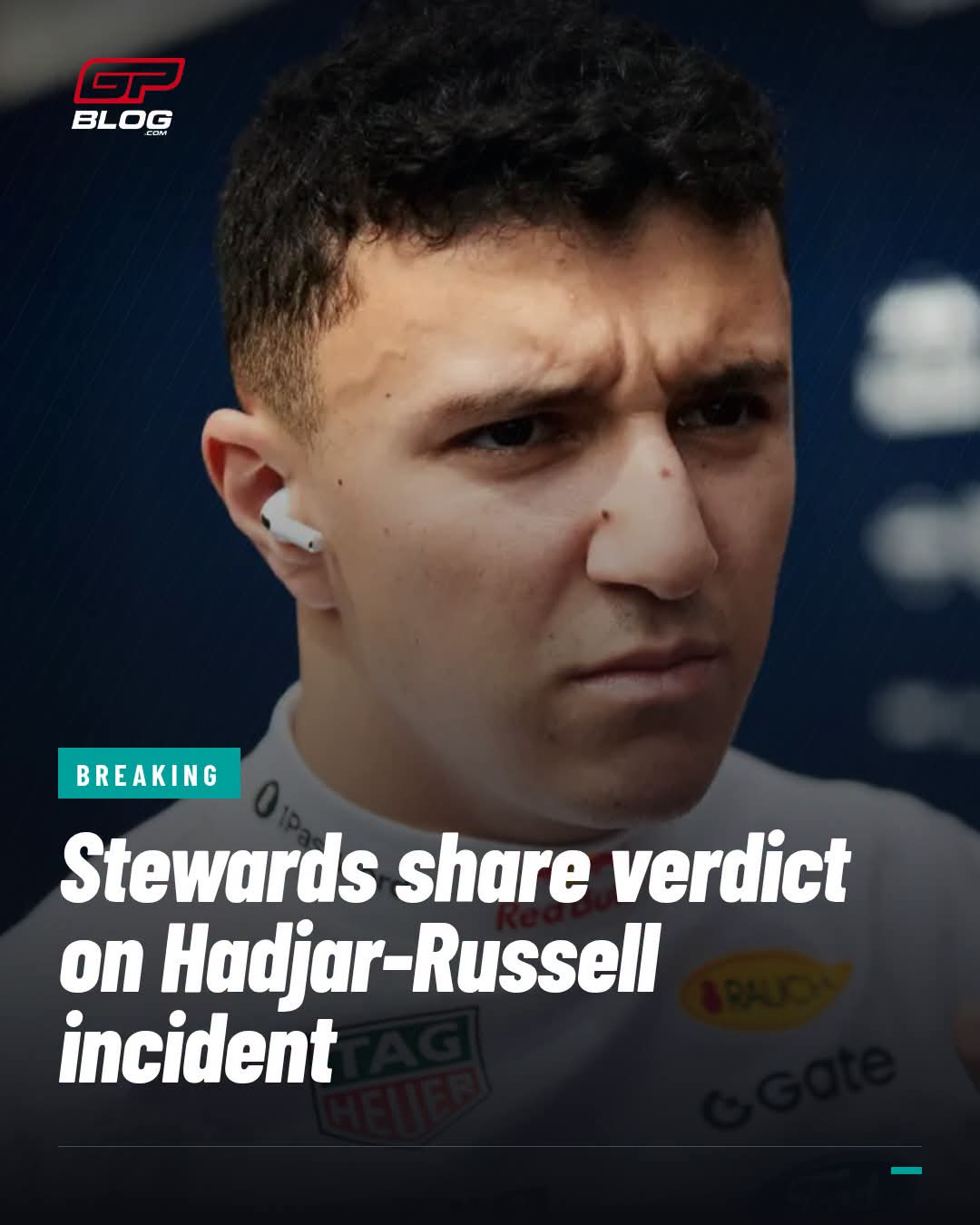
Alpine also enjoyed a strong night with Pierre Gasly and Franco Colapinto finishing fifth and sixth. The stewards remained busy throughout, handing out additional penalties including one for Isack Hadjar for driving unnecessarily slowly under Safety Car conditions.
IMPACT ON THE DRIVERS, TEAMS, AND CHAMPIONSHIP PICTURE
For Ferrari the damage was both immediate and reputational. Two 10-second penalties in the same race, one of them for teammates making contact, raised familiar questions about communication, race craft under pressure, and internal dynamics. Hamilton’s earlier penalty for the Norris incident already cost him track position; the clash with Leclerc compounded the pain. In a season where every point counts toward the constructors’ battle and individual rankings, nights like this hurt.
Verstappen’s victory further strengthened his position. The Dutchman has now won the Las Vegas Grand Prix three times in four years and continues to show the kind of racecraft that makes him extremely difficult to dislodge when the pressure is highest. McLaren’s podium double, meanwhile, keeps them firmly in the mix and highlights the strength of their package on a unique street circuit.
The broader industry impact is subtler but real. Street circuits like Las Vegas reward aggression and punish hesitation. Stewards’ decisions in these environments set precedents that teams study closely. Consistent application of the “room to race” guidelines helps drivers understand the limits, but it also fuels ongoing debate about whether the rules favor the car ahead or allow enough racing.
WHY THIS STORY MATTERS BEYOND ONE PENALTY
Las Vegas is more than another race on the calendar. It is a high-visibility event with massive global audiences, celebrity attendance, and significant commercial stakes for the series. When stewards make high-profile calls in real time during a race full of lead changes and teammate drama, it shapes the narrative for days afterward.
For the drivers involved, the decisions carry weight. Penalty points accumulate. Reputation for fairness or recklessness travels with a driver. For teams, the financial and championship implications of lost points are measurable. And for fans, these moments fuel the passion and argument that keep Formula 1 compelling.
Looking ahead, the next races will test whether Ferrari can reset quickly and whether the driving standards applied in Las Vegas become the template for the final stretch of the season. Verstappen will head to the remaining rounds with momentum. McLaren will look to convert their strong race pace into more consistent results. And every team will review the stewards’ documents carefully, because in modern Formula 1 the difference between a solid points finish and a disappointing night often comes down to a single decision in the stewards’ room.
The stewards’ decision is in. The fallout will linger well beyond the Las Vegas Strip.