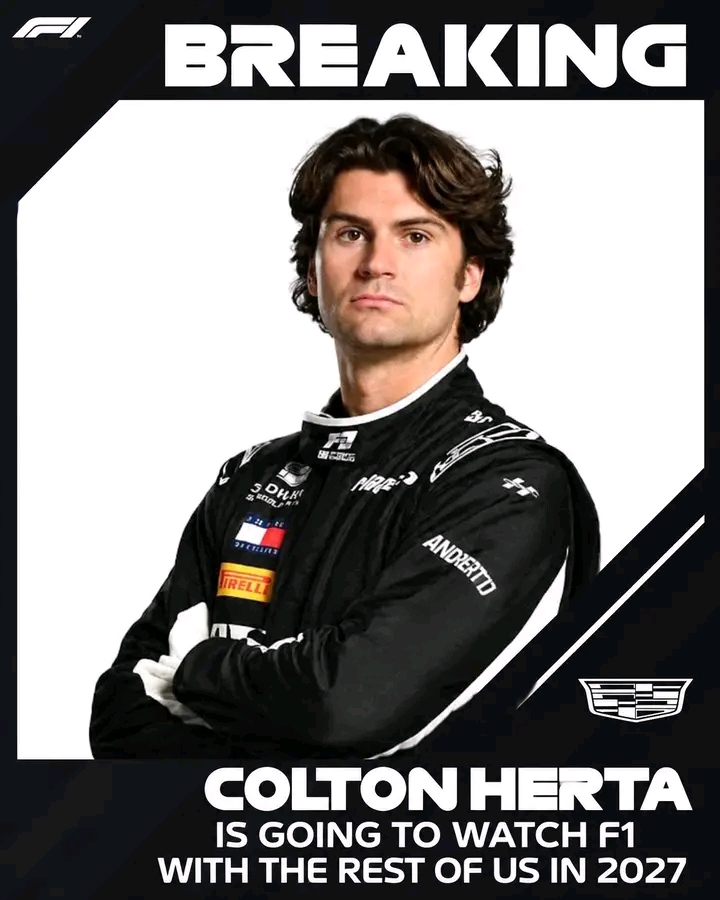
In a development that has motorsports fans buzzing, Colton Herta, the young American racing sensation who has dominated IndyCar headlines in recent years, announces that he will be watching Formula 1 with the public in 2027 rather than competing on track. The unexpected pivot, sparked by a social-media sparked rumor and a carefully worded statement from his camp, frames the coming years as a moment of cross-pollination between American open-wheel racing and F1’s growing U.S. footprint. The announcement arrives as Formula 1 prepares for a continued expansion across North America, fueling speculation about what the move could signal for both series.
Herta’s decision appears to hinge on a blend of curiosity and timing. After a career defined by race wins and rapid ascent through junior ranks, the driver is widely credited with expanding the profile of IndyCar among younger audiences. Observers note that the 2027 window aligns with broader changes in the sport, including evolving sponsorship dynamics and potential shifts in team personnel and development programs. While the specifics of his plans remain vague, supporters frame the choice as a deliberate pivot toward observation, mentorship roles, and a deeper understanding of F1’s competitive culture from a spectator’s vantage point.
Analysts say the development underscores Formula 1’s accelerating popularity in the United States and the appetite for homegrown narratives that bridge the gap between series. The 2027 season is widely anticipated to feature expanded race calendars, enhanced streaming options, and new market strategies designed to capitalize on a growing US audience. Herta’s move to the sidelines could be seen as a symbolic bridge—an emblem of how American talents are increasingly welcomed into F1’s global ecosystem, not just as drivers but as ambassadors who shape fan engagement and cross-series partnerships.
Reaction from teams, sponsors, and fans ranges from playful curiosity to strategic analysis. Proponents argue that having a high-profile American figure in the paddock—whether competing or observing—helps attract sponsors, media attention, and a broader fan base to both IndyCar and Formula 1. Skeptics question whether stepping back from competition could slow momentum for a driver who has been a catalyst for U.S. motorsports’ rising visibility. In any case, the 2027 timetable gives everyone time to reassess development pipelines, youth programs, and ways to translate the Herta phenomenon into tangible opportunities for aspiring racers.
Looking ahead, the landscape of American motorsports seems poised for a period of inventive collaboration and renewed public interest. If Herta’s plan to watch F1 with the rest of the world comes to pass, it may signal a broader shift toward hybrid career paths that blend competition, mentorship, and strategic fandom. For fans, sponsors, and aspiring drivers, the key takeaway is clarity: 2027 could be as much about learning and connecting as it is about winning races. Until then, the motorsports community will be watching closely and imagining what a future in which top American talents freely engage with F1 might look like.