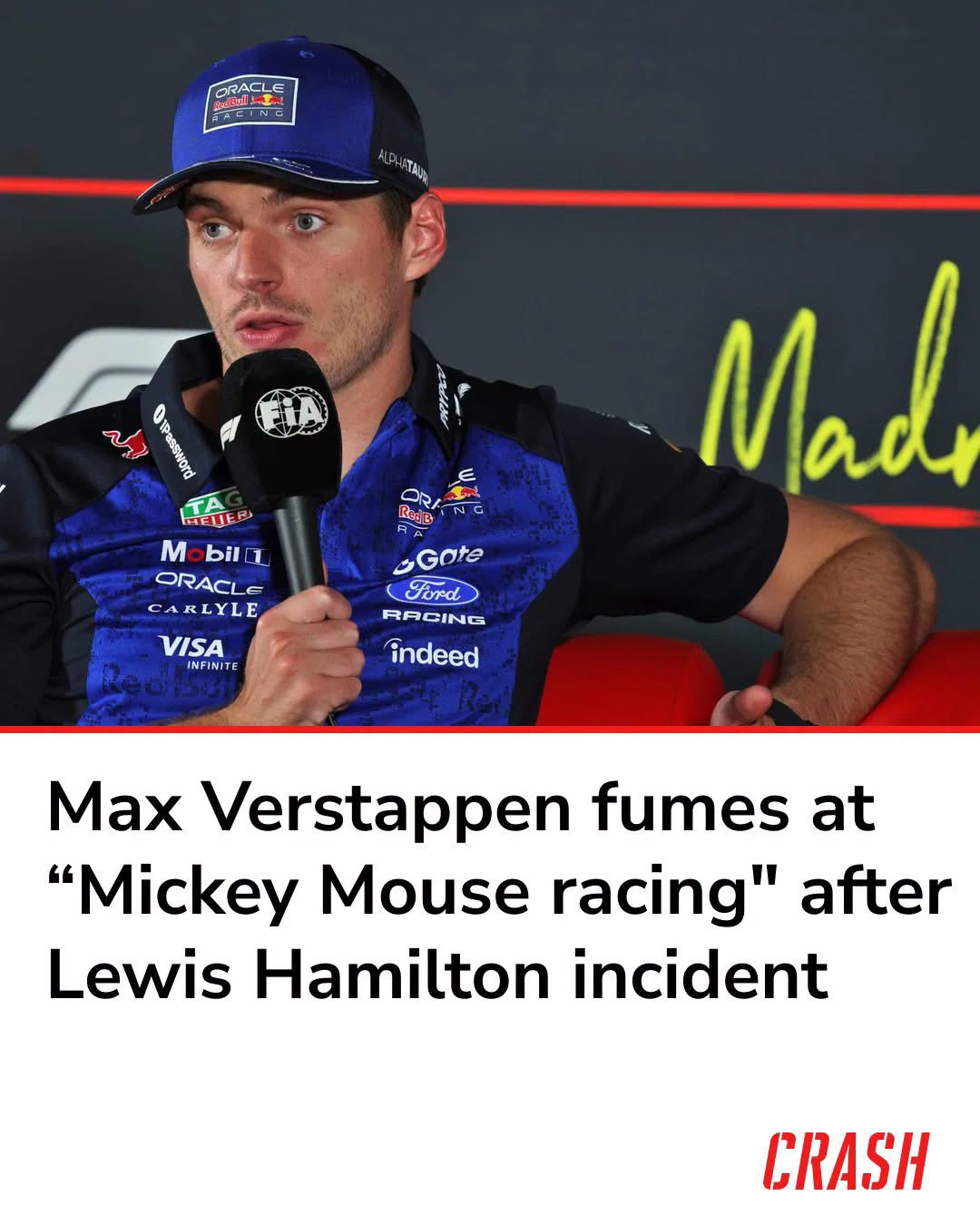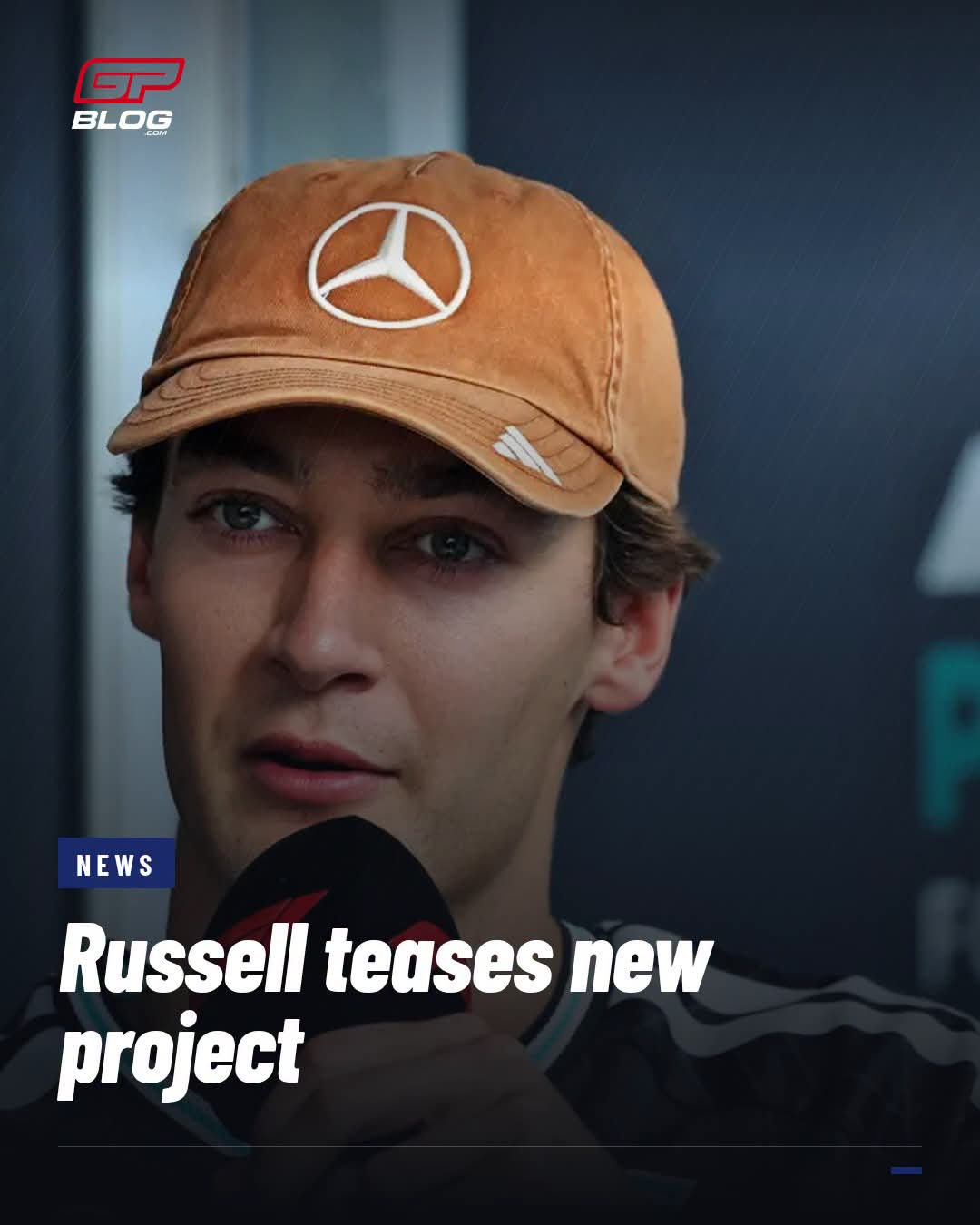
In the high-stakes world of Formula 1, contract security has become the ultimate currency. Max Verstappen locked himself in at Red Bull until the end of 2030. Lando Norris did the same at McLaren. Now all signs point to George Russell preparing to follow their lead by cementing a longer future with Mercedes.
The British driver has already secured his place through at least 2027. Recent reports and paddock chatter suggest Mercedes is ready to take the next step, turning what was once a year-by-year arrangement into something far more permanent. After a season defined by the new regulations, a dominant teammate in Kimi Antonelli, and a constructors’ title for the Silver Arrows, Russell’s next move feels less like survival and more like the logical progression of a driver still in his prime.
WHY THIS MATTERS FOR MERCEDES AND THE DRIVER MARKET
Russell’s situation has never been straightforward. For much of the past two years, his name sat in the middle of every Max Verstappen rumour. Toto Wolff’s open admiration for the four-time champion created an atmosphere of uncertainty even as Russell delivered consistent results. The performance clauses written into his existing deal gave him control—if he hit certain targets, the 2027 option triggered automatically. He has met those targets. The question now is whether Mercedes will push beyond 2027 and match the long-term security already granted to Verstappen and Norris.
A longer Russell deal would signal stability at a team that has just reclaimed the constructors’ championship. Antonelli’s breakthrough season as the youngest world champion in history has shifted the internal dynamic. Russell is no longer the clear number one. Yet he remains one of the most complete drivers on the grid—fast over a single lap, strong in mixed conditions, and increasingly vocal about the direction the team needs to take under the new rules. Keeping him long-term protects Mercedes from a messy 2028 market while giving Russell the platform to challenge for titles in his early thirties, the age when Lewis Hamilton and Fernando Alonso delivered their best work.
The broader industry impact is significant. Long-term contracts for the top names freeze large parts of the driver market. When Verstappen and Norris both committed through 2030 in the space of a few weeks in August 2026, the available seats for 2028 and beyond suddenly looked thinner. Russell joining that group would further restrict options for midfield teams hunting proven talent and for rising stars waiting for a top-team opportunity. It also reduces the chance of a dramatic late-season switch that so often unsettles entire organisations.
RUSSELL’S 2026 SEASON: PRESSURE, PROGRESS AND PERSPECTIVE
Few expected the 2026 campaign to unfold the way it did. Russell entered the year as the pre-season favourite. The new technical regulations favoured Mercedes’ power unit approach, and he had outperformed Antonelli comprehensively in 2025. Instead, the Italian prodigy adapted faster to the altered handling characteristics and energy deployment demands. Antonelli racked up wins while Russell fought inconsistency, reliability issues and the psychological weight of watching his teammate pull clear.
Yet Russell never crumbled. He still took multiple victories, including a dominant performance in Azerbaijan, and remained in the fight for second in the championship into the final rounds. His post-Mexico comments revealed a mature perspective: the season would not define his career, and the experience of being beaten would ultimately make him stronger. That mindset is exactly what long-term partners want. Mercedes does not need a driver who only delivers when everything goes perfectly. It needs someone who absorbs setbacks and returns sharper.
WHAT A LONGER DEAL COULD LOOK LIKE AND WHY IT BENEFITS EVERYONE
Any extension beyond 2027 would almost certainly include performance-related elements and options. F1 contracts rarely come without escape routes these days. Still, the mere act of committing further would end the annual speculation that has hovered over Russell since Hamilton’s departure. It would also give Mercedes continuity at a time when the technical regulations continue to evolve and the cost cap forces teams to prioritise consistency over constant personnel changes.
For Russell personally, the upside is obvious. At 28 he is entering the window where experience compounds. A multi-year deal removes the distraction of contract talks and allows him to focus entirely on extracting the maximum from the car and the team. It also positions him as a senior figure alongside the still-young Antonelli, creating a pairing that could dominate the second half of the decade if Mercedes maintains its current trajectory.
The alternative—leaving the door open—carries clear risks. Other teams will watch closely. A strong finish to 2026 or a competitive start to 2027 could make Russell an attractive target for anyone seeking a proven race winner without the salary demands of Verstappen or Norris. Mercedes has already learned how expensive it is to keep talent when rumours swirl. Locking Russell in early is the cleaner solution.
THE BIGGER PICTURE FOR FORMULA 1
This emerging pattern of long-term deals among the top drivers reflects a more stable, less chaotic era of the driver market. The days of mid-season announcements and last-minute switches appear to be fading, at least among the frontrunners. Teams prefer predictability. Drivers prefer security. Fans benefit from knowing the key characters will remain in place for several seasons rather than constantly wondering who will drive where next year.
Russell following Verstappen and Norris would complete a quiet realignment at the front of the grid. The three most prominent British and Dutch drivers of their generation would all be settled into the 2030s. That clarity allows attention to shift back where it belongs—onto the racing, the development battles under the new rules, and the next generation of talent still fighting for seats.
Mercedes has already shown it can win championships with this line-up. Extending Russell’s stay would show it intends to keep winning them for years to come. The applause that greeted the original social media suggestion was well placed. The Mercedes driver really does look set to follow the path already taken by the two biggest names in the sport.