The Formula 1 driver market is once again exposing its contradictions. While most of the 2027 grid appears settled, Cadillac are still considering changes despite both Sergio Perez and Valtteri Bottas holding multi-year contracts. The growing likelihood that Bottas could be replaced before next season has reignited debate about how seats are truly allocated — and why performance in the official feeder series so often fails to determine who progresses.
The situation at the newest team on the grid has become the clearest current example of a system many inside the paddock believe is no longer working as intended.
### CADILLAC KEEP THEIR OPTIONS OPEN
Neither Perez nor Bottas has scored a point in 2026, a reflection of the car’s lack of competitiveness rather than individual failure. The internal comparison, however, has not favoured the Finn. While Bottas has often matched Perez in qualifying, his race pace has frequently fallen short.
When team principal Marcin Budkowski was asked in Austin about the 2027 line-up, he declined to offer public reassurance. “It’s something which will be done by official releases from the team when the time is right,” he said. Given that both drivers already have contracts for next year, the refusal to confirm continuity has been widely interpreted as a sign that change remains under active consideration.
### THE ALTERNATIVES ON THE TABLE
Esteban Ocon, recently dropped by Haas, is an obvious external candidate and has made clear his desire to continue racing. Cadillac represent his most realistic route to a 2027 seat. Yuki Tsunoda’s management has also registered interest after the Japanese driver’s time as a Red Bull reserve and his temporary return to the grid earlier this season.
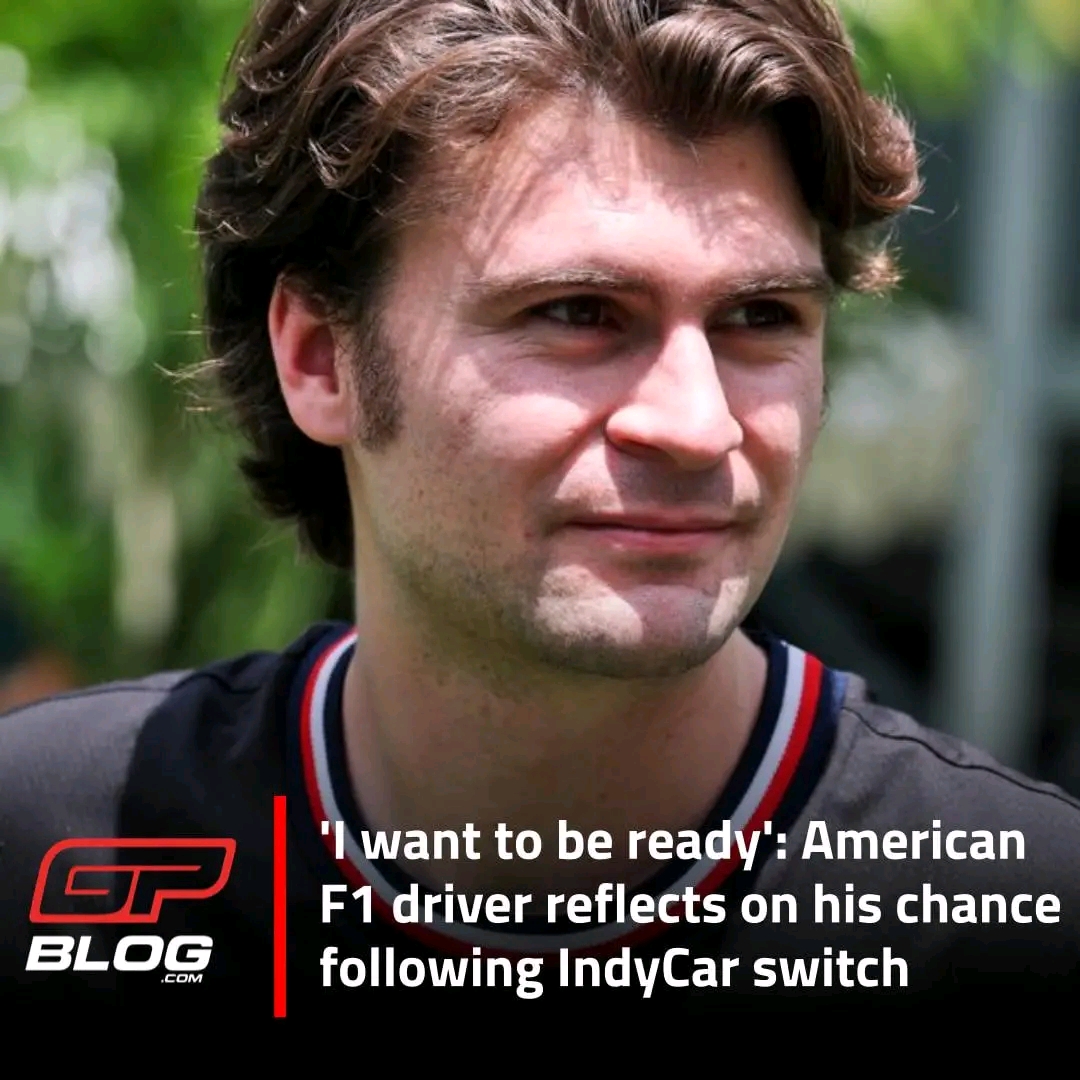
The strongest internal option remains Colton Herta. The American has endured a difficult first season in Formula 2, scoring only 26 points and sitting near the bottom of the standings. Despite that, Cadillac continue to value his IndyCar record, his FP1 outings in Formula 1 machinery, and the commercial appeal of placing an American driver in an American car. He is now within one Super Licence point of eligibility, and the team are motivated to help him cross that threshold.
### WHY THE PATHWAY LOOKS FLAWED
Herta’s potential promotion, despite a winless and largely uncompetitive Formula 2 campaign, sits uncomfortably alongside the experiences of recent junior champions. Leonardo Fornaroli, last year’s title winner, missed out on a 2027 race seat and will instead contest the World Endurance Championship with McLaren. Previous champions Theo Pourchaire and Felipe Drugovich never secured full-time Formula 1 drives. Nikola Tsolov could win this year’s Formula 2 championship and still find himself without a seat.
The contrast is stark. A driver can dominate the official feeder series and remain overlooked, while another can struggle in the same championship yet remain a strong candidate because of nationality, existing manufacturer ties and Super Licence arithmetic. The current framework rewards timing, affiliation and marketability as much as, and sometimes more than, on-track achievement.
### A STRUCTURAL PROBLEM FOR THE SPORT
Driver development pathways are supposed to create a clear meritocracy. In reality, the limited number of seats, the influence of manufacturer academies, the commercial demands of new teams, and the quirks of the Super Licence system combine to produce outcomes that frequently feel arbitrary.
Cadillac’s interest in Herta is understandable from a brand perspective. An American driver in an American car would be a powerful story for a team still establishing itself. Whether that story should override a poor season in the championship designed to prepare drivers for Formula 1 is the question the system struggles to answer convincingly.
### WHAT HAPPENS NEXT
The coming weeks will show whether Cadillac act on their apparent doubts about Bottas. A decision to make a change would send a strong signal about the team’s priorities and further fuel debate about how drivers progress — or fail to progress — into Formula 1.
For Bottas, Ocon, Tsunoda and Herta, the uncertainty is personal. For the sport, it is structural. When a driver can approach a race seat after a difficult junior season while recent champions remain on the outside, the claim that the system is broken becomes increasingly difficult to dismiss.