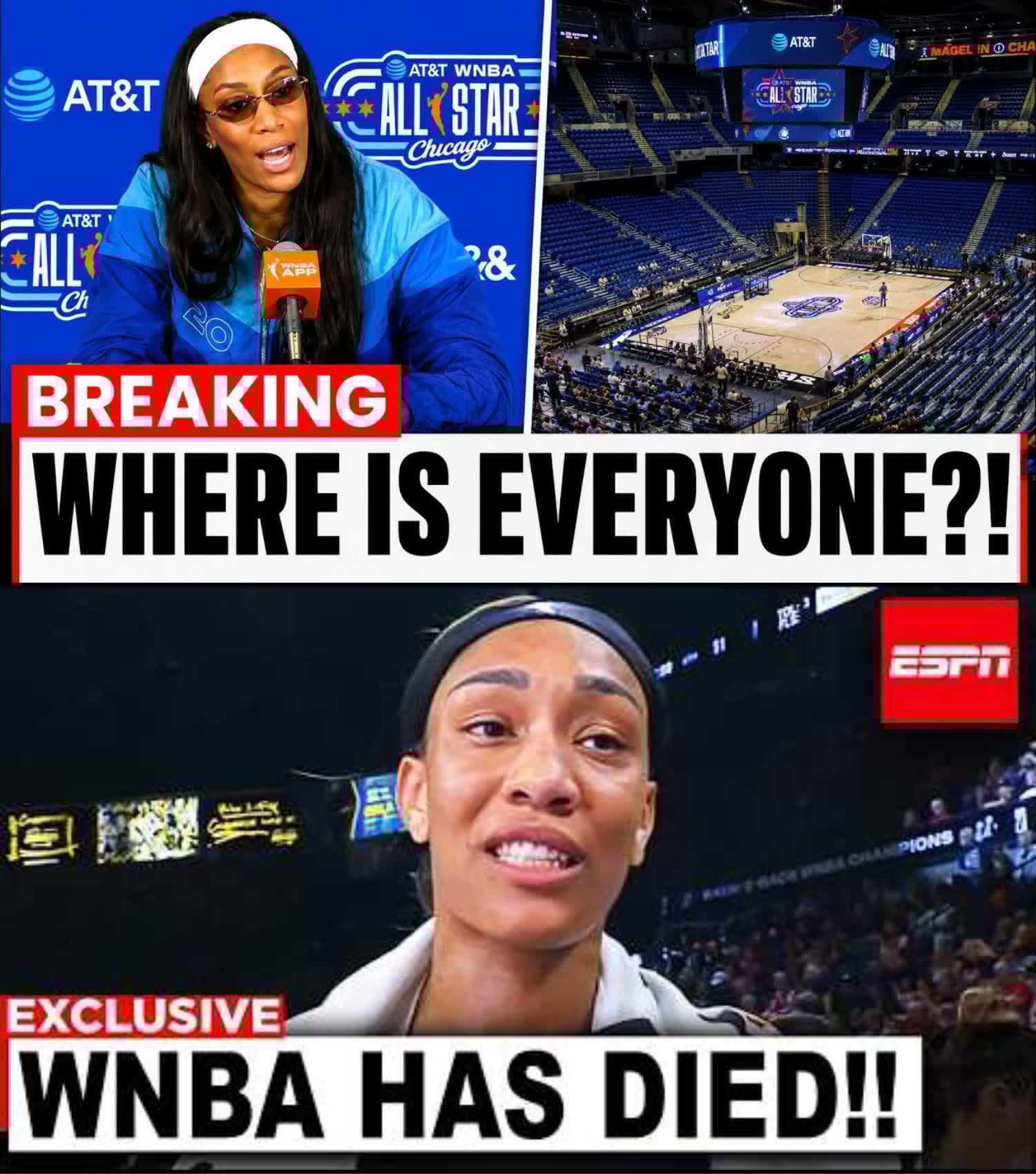
The WNBA entered its 2026 All-Star Weekend hoping to build on the league’s remarkable growth over the past few seasons. Instead, the exhibition has become the center of an intense debate after television ratings reportedly declined from the previous year and many fans criticized the lack of defensive intensity throughout the game.
Although All-Star Games have traditionally emphasized entertainment over competition, this year’s event sparked a wider discussion about balancing player enjoyment with fan expectations. With record attendance, growing sponsorship deals, and unprecedented media attention, many observers believe the WNBA’s showcase now carries greater responsibility than ever before.
WHY THE ALL-STAR GAME HAS BECOME A TALKING POINT
The WNBA has experienced extraordinary momentum over the past two seasons. Television audiences have increased, arenas have sold out across the country, merchandise sales have surged, and the league has attracted countless first-time fans.
That rapid growth naturally raised expectations for All-Star Weekend.
Many supporters hoped the league’s biggest exhibition would celebrate the sport at its highest level while showcasing its brightest stars. Instead, social media quickly filled with criticism from viewers who felt the game lacked competitive intensity, particularly on the defensive end.
High-scoring All-Star contests are nothing new in professional basketball. The NBA has faced similar criticism for years and has repeatedly experimented with different formats to make its showcase more competitive. The WNBA now appears to be facing many of those same challenges as its audience expands.
FANS EXPECT MORE THAN JUST HIGHLIGHTS
One of the biggest themes emerging after the game was the relationship between fan expectations and player effort.
Thousands of fans traveled long distances to attend All-Star Weekend, purchasing tickets, booking hotels, and planning vacations around the league’s marquee event. Millions more tuned in on television expecting to watch many of the world’s best women’s basketball players share the floor.
Instead, much of the online discussion centered around minimal defensive pressure, frequent transition baskets, and a heavy reliance on three-point shooting.
While exhibition games are designed primarily for entertainment rather than playoff-style intensity, many fans argued that there is still room for greater competitiveness without risking unnecessary injuries.
Finding that balance could become one of the league’s biggest priorities moving forward.
CAITLIN CLARK’S COMMENTS REFLECT A GROWING EXPECTATION
Indiana Fever star Caitlin Clark became one of the most discussed players of the weekend—not simply because of her performance, but because of her comments during the game.
Clark emphasized that fans spend significant money to attend games and suggested players should increase the pace and intensity enough to provide a memorable experience. Her remarks resonated with many viewers who appreciated her recognition of the supporters filling arenas across the league.
On the court, Clark continued to play aggressively, contributing offensively while maintaining an active presence throughout the contest. Her approach reinforced the image she has built since entering the WNBA: treating every opportunity as a chance to grow the league’s audience.
That mindset has become increasingly important as new fans continue discovering women’s basketball through nationally televised games and social media.
THE LEAGUE’S GROWTH MAKES EVERY SHOWCASE MORE IMPORTANT
Unlike previous eras, every major WNBA event now attracts enormous national attention.
Television networks, corporate sponsors, advertisers, and new investors are paying closer attention than ever before. Every successful broadcast strengthens confidence in the league’s future, while every disappointing showcase invites additional scrutiny.
This doesn’t mean exhibition games need to resemble playoff battles, but it does highlight how much the stakes have changed.
The league’s rapid commercial growth has created opportunities for higher salaries, expanded facilities, charter travel improvements, and increased investment. Maintaining that momentum depends partly on delivering compelling events that keep casual viewers engaged after their first exposure to the sport.
THE ALL-STAR FORMAT COULD SEE FUTURE CHANGES
If fan criticism continues, the WNBA may eventually explore format adjustments similar to those tested by the NBA.
Potential ideas include introducing incentive-based prize pools, alternative scoring systems, mini-tournaments, or new competitive challenges designed to encourage greater intensity without compromising player safety.
The league has shown a willingness to innovate in recent years, and All-Star Weekend could become another area for experimentation if officials believe changes would improve the viewing experience.
Such adjustments would not be unusual. Professional sports leagues regularly refine exhibition formats to match changing fan expectations and evolving television audiences.
THE BIGGER PICTURE FOR THE WNBA
Despite criticism surrounding this year’s All-Star Game, it is important to recognize the broader context.
The WNBA remains in one of the strongest periods in its history. Attendance continues to climb, media rights have grown significantly, franchise valuations are increasing, and the league’s visibility has never been higher.
One disappointing exhibition does not erase those accomplishments.
However, the reaction to the event demonstrates just how much expectations have changed. Fans are no longer simply celebrating the league’s growth—they now expect its biggest showcases to consistently deliver elite entertainment worthy of the sport’s rapidly expanding audience.
If the WNBA views this criticism as constructive feedback rather than simple negativity, the 2026 All-Star Weekend could ultimately become a turning point. Improving the balance between entertainment, competitiveness, and fan engagement may help ensure future All-Star Games better reflect the league’s remarkable progress and sustain the momentum that has transformed women’s basketball over the past few years.