Lewis Hamilton’s Belgian Grand Prix ended with a fourth-place finish, but the result has done little to quiet the growing debate over Formula 1’s approach to racing incidents. The seven-time world champion was handed a five-second penalty after colliding with former Mercedes teammate George Russell on the opening lap at Spa-Francorchamps, a decision that has divided fans, pundits, and even some of the people directly involved in the incident.
What makes the controversy even more remarkable is that Russell himself, along with Mercedes team principal Toto Wolff, described the clash as a racing incident rather than reckless driving. Despite that, the FIA stewards concluded Hamilton was predominantly responsible, leaving Ferrari convinced that the punishment significantly altered the outcome of an otherwise competitive race.
FIRST-LAP CONTACT BECOMES THE DEFINING MOMENT OF HAMILTON’S RACE
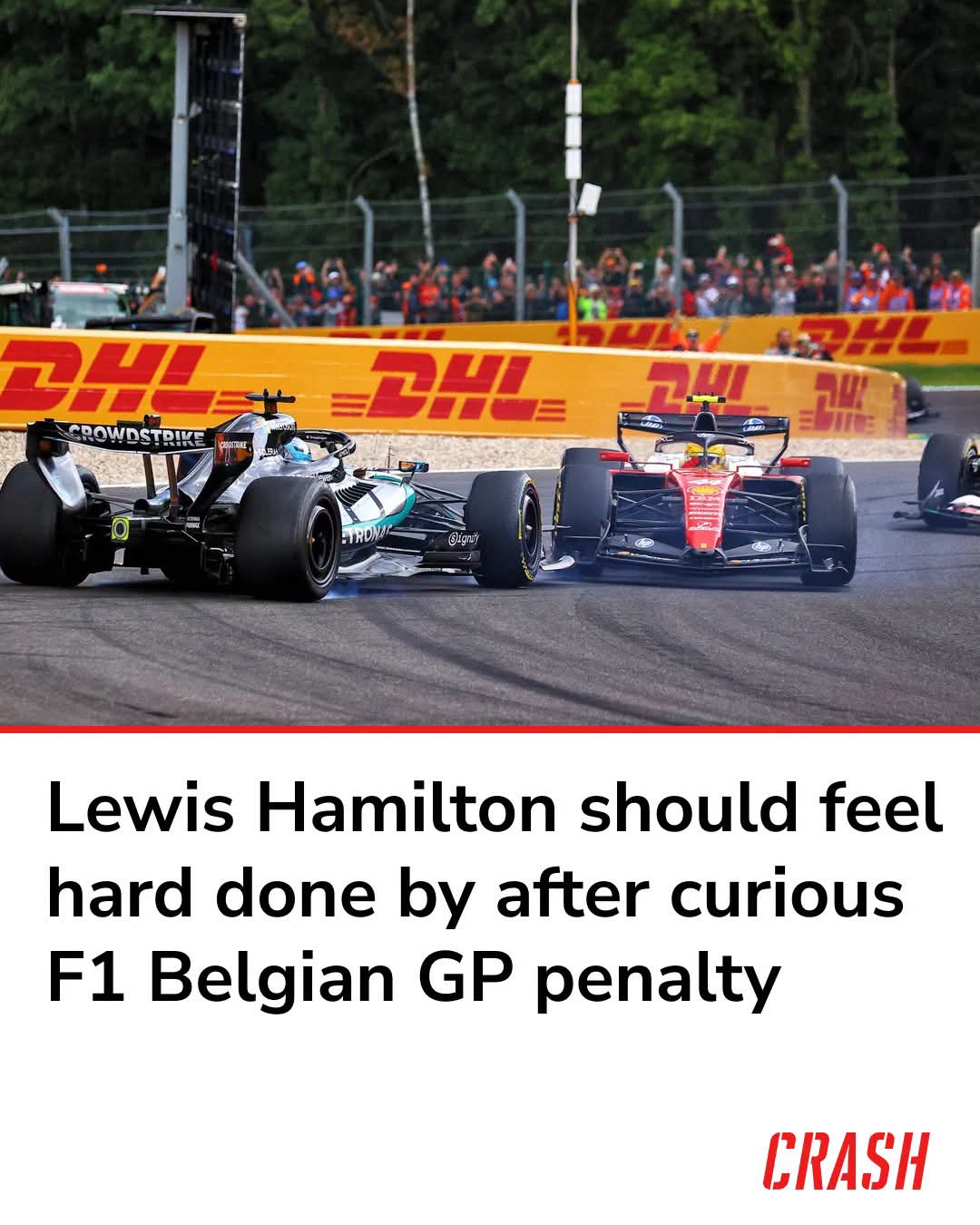
The incident unfolded as Hamilton attacked into the famous Les Combes chicane after gaining the inside line on Russell along the Kemmel Straight. While attempting to complete the move, Hamilton’s Ferrari developed understeer as turbulent air from the cars ahead reduced front-end grip.
The slight loss of control resulted in Hamilton’s front-left making contact with Russell’s Mercedes, spinning the British driver into the gravel and ending his race almost immediately. Stewards acknowledged that Hamilton attempted to avoid the collision, but ruled that he failed to maintain sufficient separation and imposed a five-second time penalty.
The punishment immediately became one of the most discussed moments of the Belgian Grand Prix because first-lap incidents have historically been judged with greater leniency due to heavy traffic, cold tyres, and reduced grip.
EVEN RUSSELL BELIEVED THE PENALTY WAS HARSH
Perhaps the strongest argument against the decision came from Russell himself.
Instead of accusing Hamilton of dangerous driving, Russell admitted the collision was simply part of close racing and insisted there was no malicious intent behind the contact. Toto Wolff echoed those comments, arguing that incidents like these are inevitable when multiple cars fight for the same piece of asphalt during the opening lap.
The FIA’s own explanation acknowledged several mitigating circumstances. Officials noted Hamilton recognized Russell’s position, attempted corrective steering, and that the collision resulted from understeer rather than an aggressive maneuver. Those details have led many observers to question why the stewards still felt a penalty was necessary.
The contrast became even more striking later in the race when Charles Leclerc escaped punishment after making contact with Oscar Piastri in another controversial battle at the very same corner.
THE PENALTY COST FERRARI MORE THAN JUST FIVE SECONDS
Hamilton’s race became even more complicated during his pit stop.
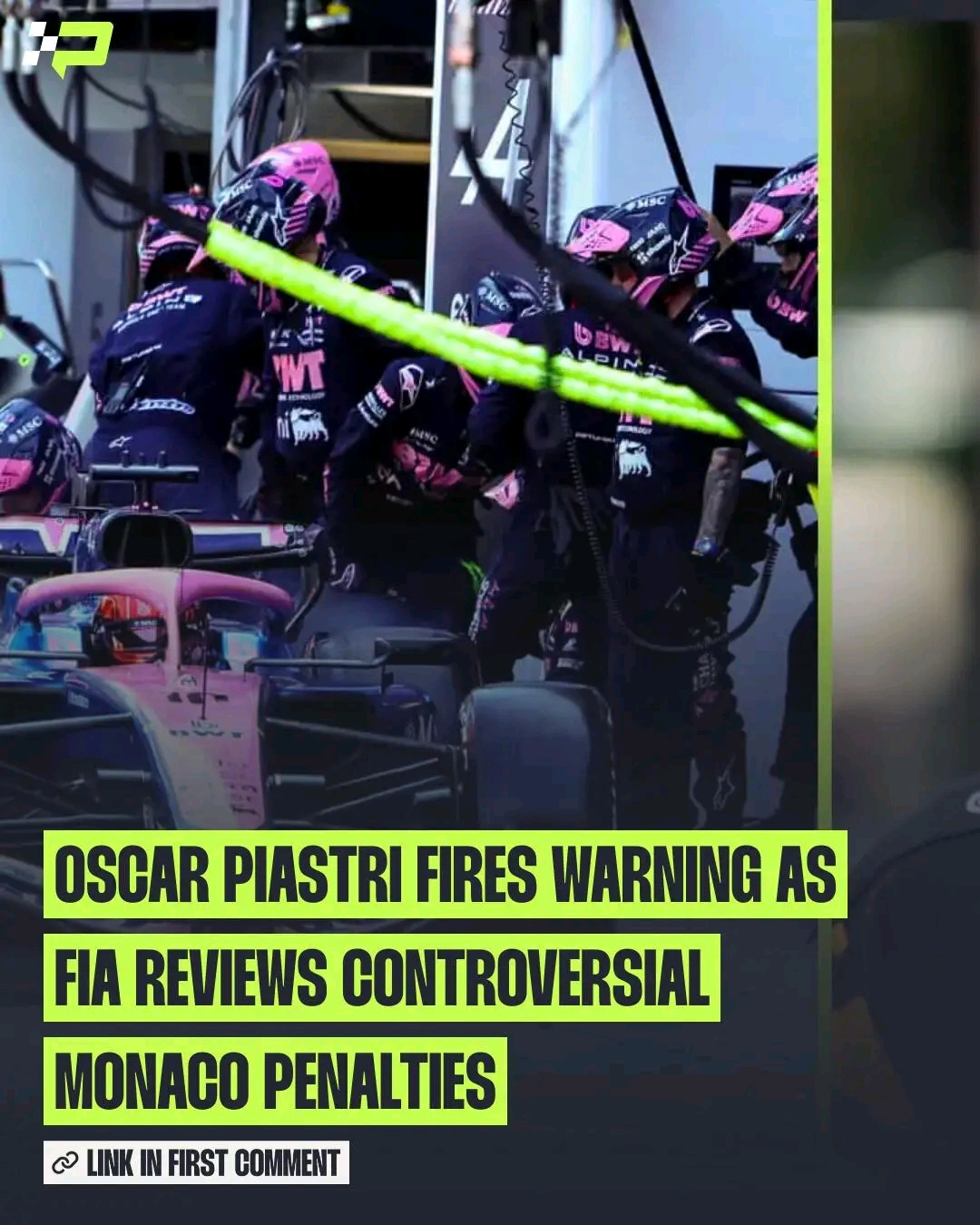
While serving the time penalty, Ferrari experienced confusion over a planned front-wing adjustment, resulting in a mechanic being struck as Hamilton left the pit box. Although Hamilton avoided further sporting penalties and Ferrari received a financial fine instead, the incomplete wing adjustment left Hamilton carrying an aerodynamic imbalance for the remainder of the race.
That combination of events likely denied Hamilton any realistic opportunity to challenge for the podium. With cleaner execution, Ferrari may have had both cars fighting near the front instead of settling for second and fourth.
For Ferrari, the weekend still produced valuable championship points, but it also exposed operational weaknesses at a time when every result could shape the remainder of the season.
THE CHAMPIONSHIP BATTLE REMAINS WIDE OPEN
Despite finishing outside the podium, Hamilton climbed to second in the Drivers’ Championship after Russell’s retirement, trailing Mercedes rookie sensation Andrea Kimi Antonelli by 45 points.
Antonelli’s sixth victory of the season further strengthened Mercedes’ position at the top of both championships, while Ferrari continues to chase with Hamilton and Charles Leclerc collecting consistent points.
The Hungarian Grand Prix now becomes even more significant. Ferrari will likely arrive determined to respond after feeling frustrated by both the stewarding decisions and their own costly pit-lane error.
Mercedes, meanwhile, will focus on solving the straight-line performance concerns that Russell has repeatedly highlighted in recent weeks.
CONSISTENCY IN FIA DECISION-MAKING IS ONCE AGAIN UNDER THE SPOTLIGHT
The biggest takeaway from Spa may not be Hamilton’s penalty itself but the continued questions surrounding consistency in Formula 1 officiating.
Drivers, teams, and fans have long asked for clearer standards when judging racing incidents. When one opening-lap collision earns a penalty while another similar incident receives no action, confidence in the stewarding process inevitably comes under scrutiny.
Formula 1 has made efforts to speed up in-race decisions and improve transparency, but Spa demonstrated there is still work to do. As the championship enters its decisive phase, every penalty, investigation, and stewarding call carries enormous consequences for the title race.
Hamilton may have accepted the decision publicly, but many throughout the paddock believe the Belgian Grand Prix will be remembered as another example of how difficult it remains to define the line between hard racing and punishable contact in modern Formula 1.