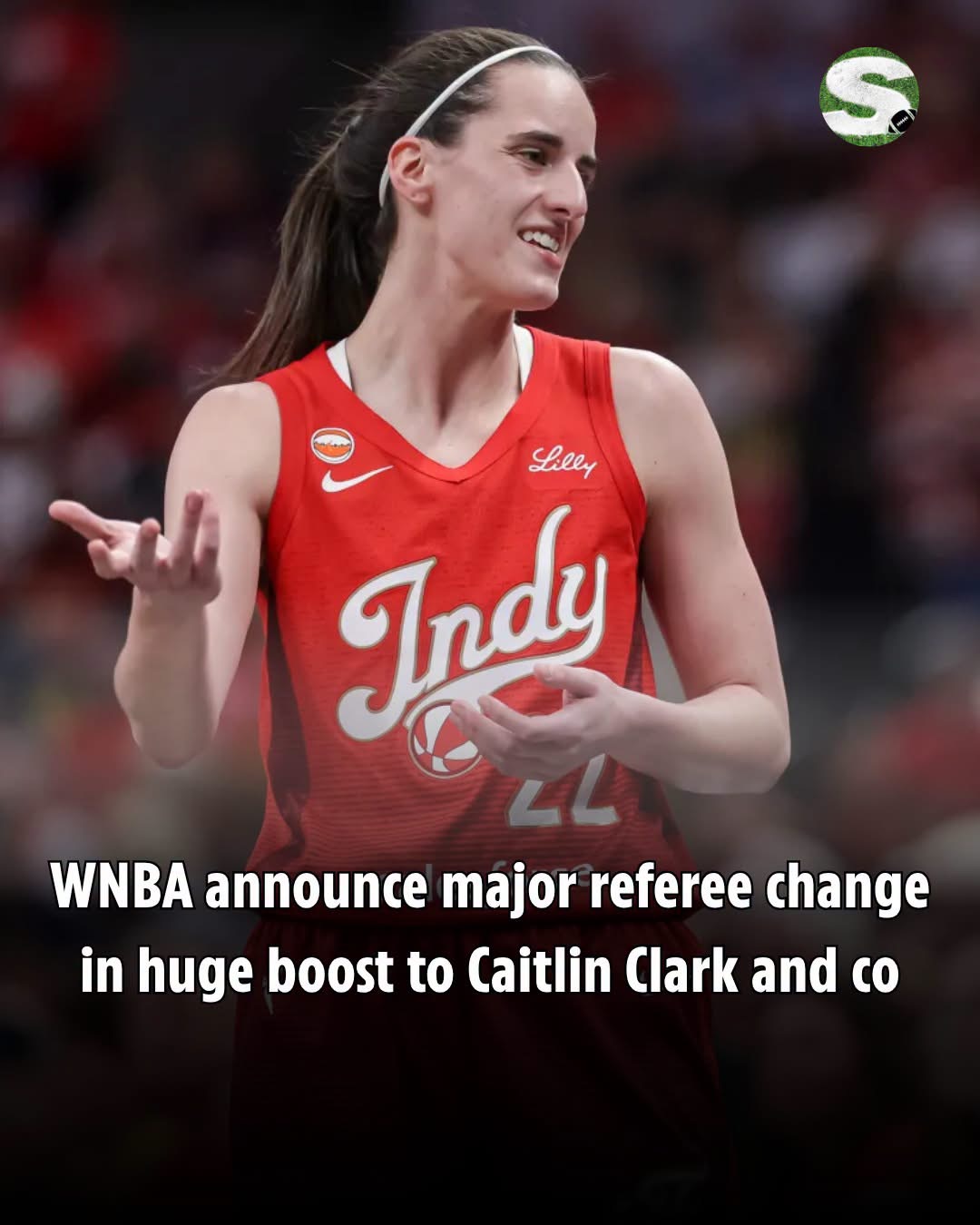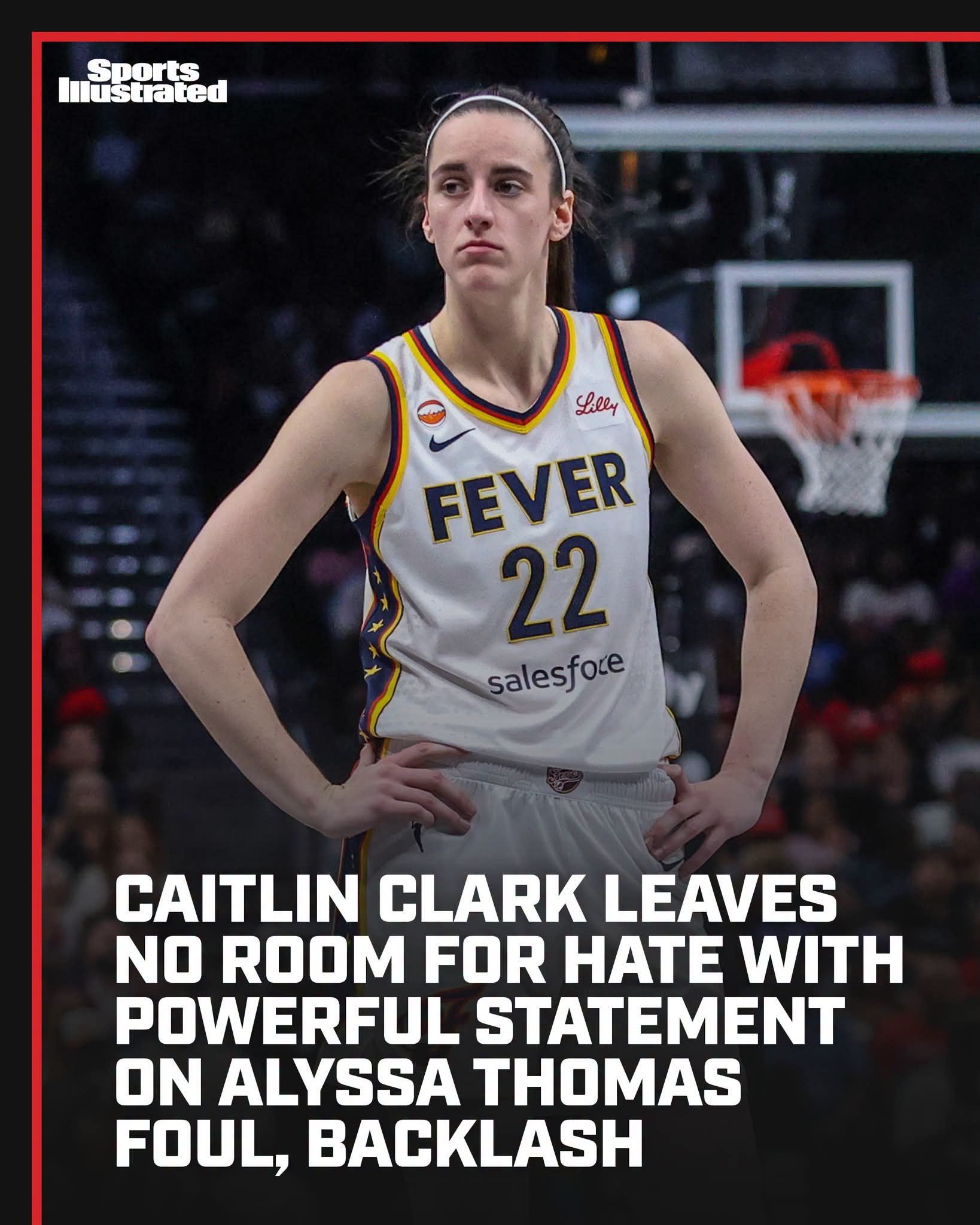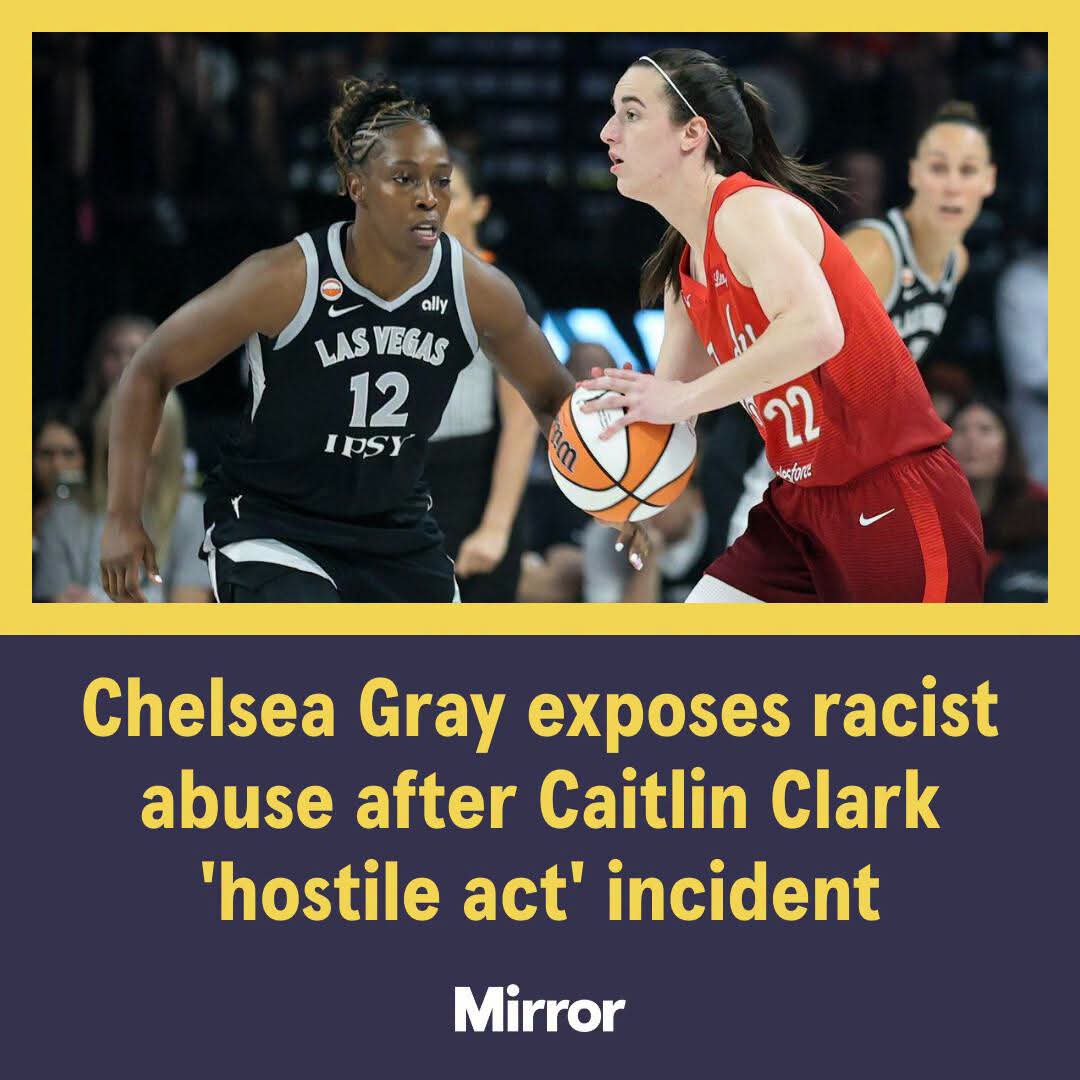
The fallout from the controversial collision involving Phoenix Mercury star Alyssa Thomas and Indiana Fever guard Caitlin Clark has entered an alarming new phase. What began as an on-court basketball incident has now escalated into a much broader conversation about fan behavior, online abuse, and the responsibility of everyone involved in professional sports.
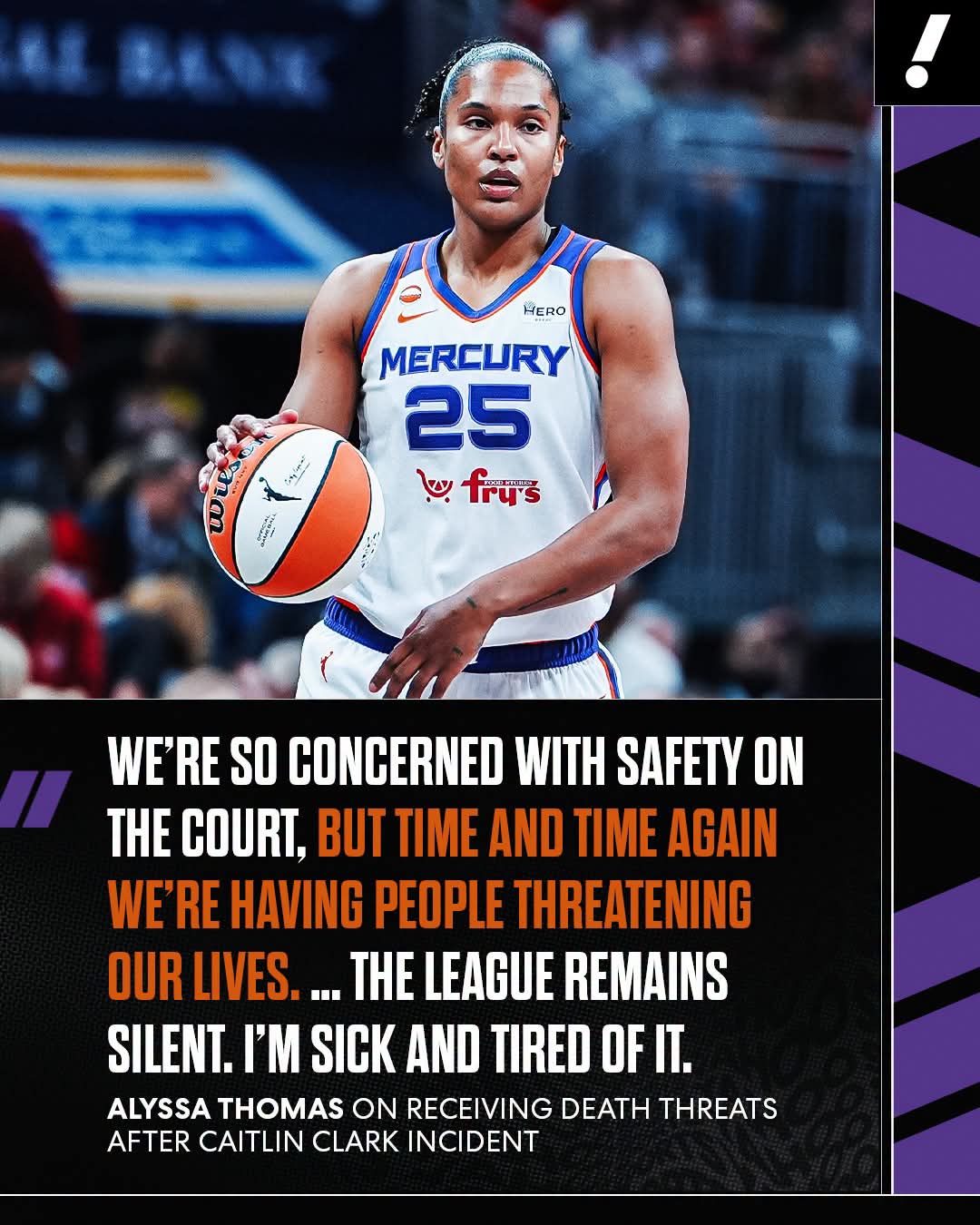
Thomas has revealed that she has received death threats and hateful messages following the incident that resulted in her one-game suspension. Her comments have shifted the focus away from basketball itself and toward the increasingly toxic environment surrounding some of the sport’s biggest storylines.
While opinions remain divided over the play, many across the basketball community agree on one point: criticism should never cross the line into threats or abuse.
THE INCIDENT THAT SPARKED THE CONTROVERSY
The controversy began during the Indiana Fever’s matchup against the Phoenix Mercury when Thomas made contact with Clark during a physical sequence under the basket.
Game officials did not immediately assess a Flagrant Foul during live action, but after reviewing the footage, the WNBA upgraded the play to a Flagrant Foul 2. The league described the contact as reckless and suspended Thomas for one game while also issuing a fine.
The decision immediately became one of the most debated disciplinary rulings of the season, generating widespread discussion among fans, analysts, former players, and media personalities.
Because Clark has become the league’s biggest attraction, the incident quickly dominated national sports headlines.
THOMAS SAYS THE REACTION WENT FAR BEYOND BASKETBALL
Speaking publicly after serving her suspension, Thomas disclosed that she had been subjected to death threats and abusive messages following the play.
She also indicated that some of the messages included racial abuse, highlighting how quickly sports debates can spiral into something far more serious.
Professional athletes regularly face criticism after controversial moments, but threats of violence and personal attacks represent an entirely different issue.
Thomas’ comments serve as another reminder that while passionate fan engagement helps grow professional sports, there remains a clear line that should never be crossed.
PLAYER SAFETY MATTERS FOR EVERYONE
The original discussion centered on protecting Caitlin Clark after a dangerous play, but Thomas’ experience illustrates that player welfare extends beyond physical injuries.
Athletes deserve accountability for actions that violate league rules, and the WNBA has established disciplinary procedures specifically for those situations. Once discipline has been handed down, however, harassment and threats directed toward any player undermine the integrity of the sport itself.
Whether someone supports Clark, Thomas, or neither player, the expectation should remain the same: criticism belongs within basketball discussions, not personal attacks.
THE WNBA’S GROWTH BRINGS NEW CHALLENGES
The league is experiencing unprecedented popularity, thanks in large part to stars like Clark and several established veterans who continue to elevate the game.
Higher television ratings, increased attendance, expanded media coverage, and larger social media audiences have created tremendous opportunities for the WNBA.
However, that increased visibility also means controversies spread faster than ever before. A single clip can generate millions of views within hours, often creating emotional reactions before all the facts are fully understood.
Managing those moments will become an increasingly important challenge as the league continues to grow.
SOCIAL MEDIA HAS CHANGED THE SPORTS LANDSCAPE
The Thomas-Clark controversy demonstrates how quickly sports narratives can evolve online.
Within minutes of the incident, video clips circulated across multiple platforms, followed by countless opinions from fans, former athletes, journalists, and content creators. While social media allows greater engagement between fans and the game, it also amplifies extreme viewpoints.
For athletes, that means controversial moments rarely end when the final buzzer sounds. Instead, discussions continue for days or even weeks, often exposing players to intense scrutiny and, in some cases, unacceptable abuse.
Professional leagues across every major sport continue searching for better ways to address this growing problem.
WHAT HAPPENS NEXT FOR BOTH PLAYERS?
From a basketball standpoint, both Thomas and Clark remain vital pieces of their respective teams.
Clark continues to lead Indiana’s playoff ambitions while serving as one of the faces of the WNBA’s remarkable rise in popularity. Thomas remains one of the league’s most accomplished veterans and a cornerstone of Phoenix’s championship aspirations.
Future meetings between the Fever and Mercury will inevitably receive even greater attention, but both organizations will likely hope that the focus returns to basketball rather than off-court controversy.
THE BIGGER LESSON FOR THE SPORT
This episode highlights two equally important truths.
First, dangerous plays must be reviewed fairly, and the league must continue protecting its players through consistent officiating and appropriate discipline. Second, fans must remember that athletes are human beings, not targets for abuse or intimidation.
Healthy debate will always be part of sports. Passion, rivalry, and disagreement help make competition compelling. But when criticism escalates into threats of violence or hateful language, everyone loses.
As the WNBA continues its rapid growth, maintaining respect for every player—regardless of team allegiance or opinion—will be essential in ensuring the league’s future remains defined by extraordinary basketball rather than unnecessary hostility.