Mercedes may have built one of the fastest cars of Formula 1’s new era, but fresh reports suggest a growing reliability concern could threaten its championship ambitions at the worst possible time.
According to reports emerging from Italy, the German manufacturer is facing ongoing challenges with its battery system, particularly when operating in extreme temperatures. While Mercedes remains one of the benchmark teams on outright pace, questions are now being raised about whether reliability could become the factor that ultimately decides the 2026 title fight.
In a season where margins are incredibly small, even the fastest car can quickly become vulnerable if technical weaknesses begin to emerge under pressure.
WHY THE BATTERY ISSUE IS CAUSING CONCERN
The current generation of Formula 1 power units places greater emphasis on electrical performance than ever before. Energy deployment, battery efficiency, and thermal management have become critical components of overall race pace.
Reports suggest Mercedes’ battery system is particularly sensitive to high operating temperatures. Once temperatures move outside the ideal cooling window, the risk of performance degradation or component failure reportedly increases significantly.
This is not a minor inconvenience.
Unlike aerodynamic upgrades or setup adjustments that can be optimized over a race weekend, battery reliability is deeply embedded within the power unit package. Solving such issues often requires extensive engineering work, testing, and validation.
That makes any reliability concern especially dangerous during a championship battle.
THE BARCELONA WARNING SIGN
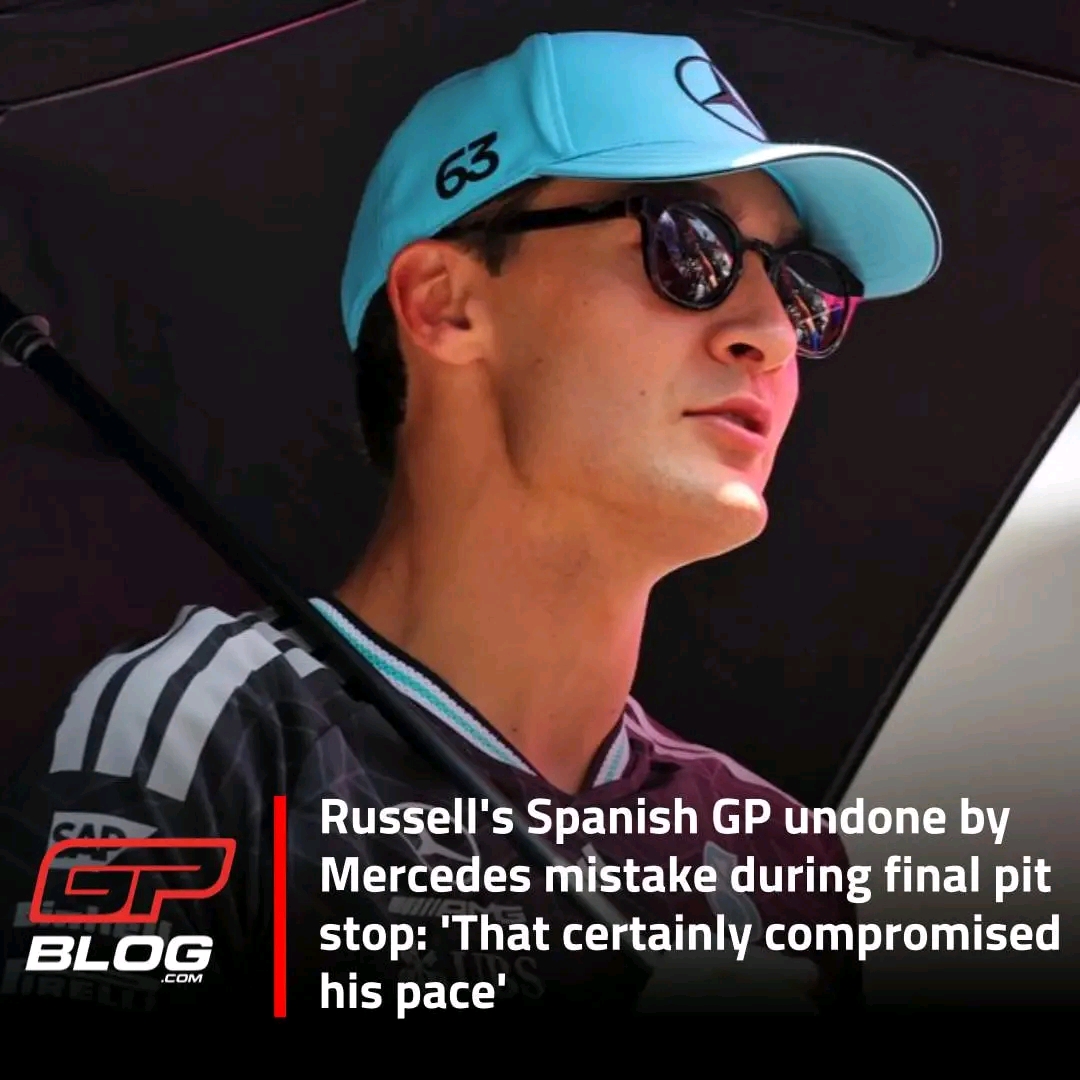
One of the most intriguing aspects of these reports is the suggestion that Mercedes had to manage the situation during the Spanish Grand Prix weekend.
According to speculation from within the paddock, drivers were encouraged to avoid unnecessary on-track battles that could increase thermal stress on critical components.
If true, that would represent a significant compromise.
Formula 1 drivers are conditioned to attack whenever opportunities arise. Asking them to manage temperatures rather than maximize performance highlights how seriously engineers may view the issue.
Championship campaigns are often decided by aggressive overtakes, defensive drives, and strategic wheel-to-wheel battles. If a team must limit those opportunities to protect reliability, it could sacrifice valuable points over the course of a season.
WHY THIS COULD IMPACT THE TITLE RACE
The biggest concern for Mercedes is not necessarily the current issue itself but the timing.
The championship fight is entering its most critical phase. Rivals are bringing upgrades, development races are accelerating, and every point is becoming increasingly valuable.
A reliability weakness can rapidly erase a speed advantage.
Formula 1 history is filled with examples of dominant cars that failed to convert their pace into championships because of mechanical failures. Fans only need to look at past title battles where engine problems, electrical issues, or cooling failures transformed seemingly comfortable leads into heartbreaking defeats.
If Mercedes possesses the fastest package but cannot consistently extract its full potential, competitors will sense an opportunity.
THE CHALLENGE OF FINDING A QUICK FIX
Perhaps the most worrying aspect of the situation is the suggestion that no immediate solution is available.
Reports indicate that engineers may already understand the root cause of the problem, yet implementing a reliable fix could take significantly longer.
That is often the reality of modern Formula 1 engineering.
Identifying a problem is one thing. Designing, manufacturing, validating, and introducing a permanent solution under strict regulations is something entirely different.
With championship pressure mounting every weekend, Mercedes may be forced to manage the issue rather than eliminate it completely in the short term.
That strategy carries obvious risks.
WHAT THIS MEANS FOR KIMI ANTONELLI AND MERCEDES
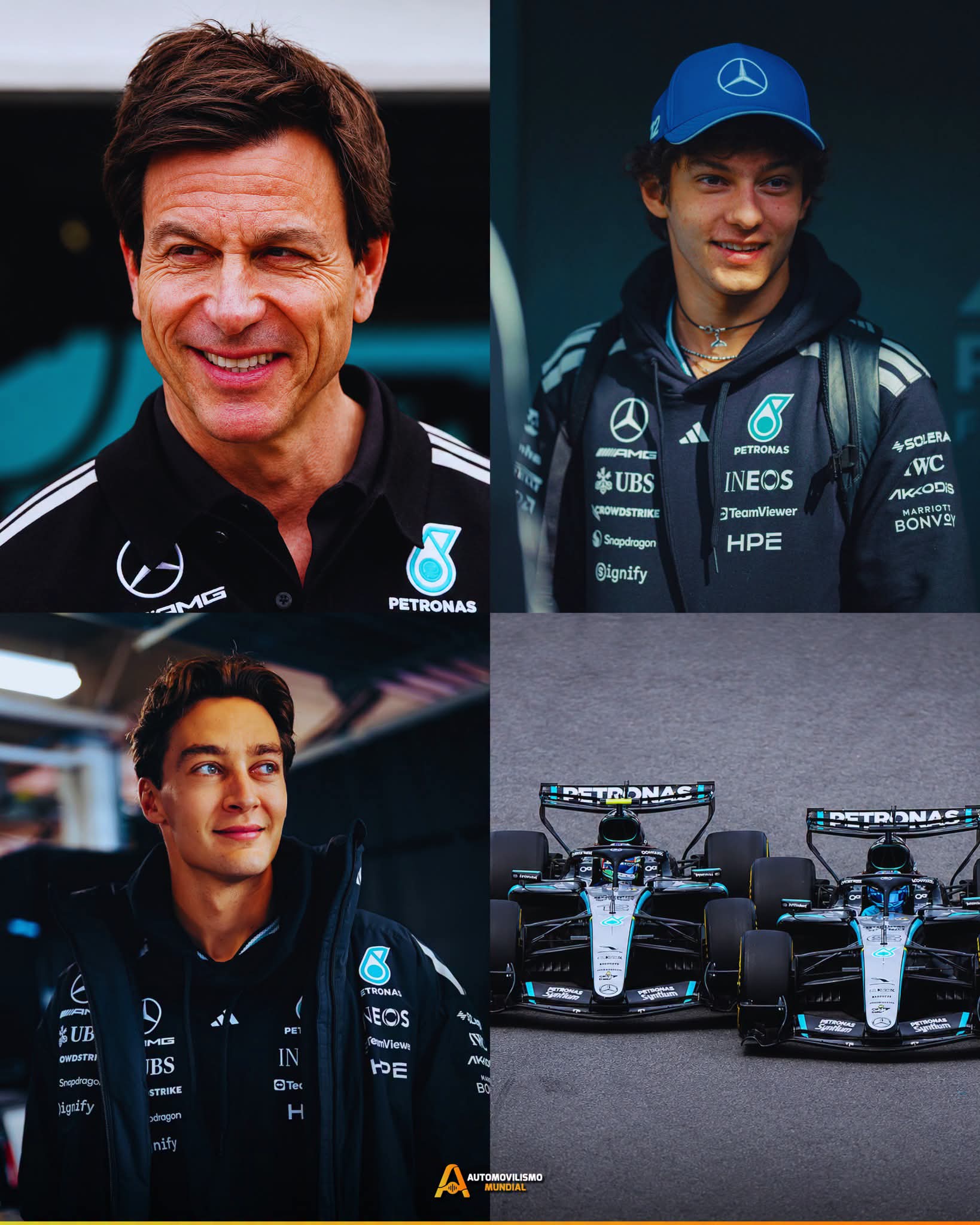
For championship leader , reliability concerns create an entirely new challenge.
Young drivers often thrive when they can focus solely on extracting performance. However, managing technical limitations requires experience, patience, and strategic discipline.
Antonelli may now find himself balancing outright speed with component preservation during key races.
The same challenge applies to the entire Mercedes operation. Engineers, strategists, and drivers must work together to maximize results while protecting vulnerable systems.
It is a delicate balancing act that could define their season.
RIVALS WILL BE WATCHING CLOSELY
No championship contender wants to reveal weaknesses, but once rivals identify one, they immediately look for ways to exploit it.
Teams such as Ferrari, Red Bull, and McLaren will undoubtedly be monitoring Mercedes’ race management strategies, cooling solutions, and performance trends over the coming weeks.
If competitors believe Mercedes is forced into conservative operating modes during races, they may become more aggressive tactically.
Pressure can force mistakes.
And in a championship fight, even small vulnerabilities can snowball into major consequences.
COULD THIS CHANGE THE COURSE OF THE SEASON?
It would be premature to suggest Mercedes’ title hopes are in serious danger. The team remains one of the strongest organizations in motorsport and has repeatedly demonstrated an ability to solve complex technical problems.
However, Formula 1 championships are rarely won by speed alone.
Reliability remains just as important as performance. A single retirement can erase the advantage built over several race weekends, while repeated technical concerns can gradually shift momentum toward rival teams.
If Mercedes resolves the issue quickly, this story may become little more than a mid-season challenge. But if the problem persists into the second half of the year, it could become one of the defining narratives of the 2026 championship battle.
THE BIGGER PICTURE
The reported battery concerns serve as a reminder of how demanding Formula 1’s new regulations have become.
Modern power units are extraordinary pieces of engineering, combining internal combustion technology with highly sophisticated electrical systems. The rewards are enormous when everything works perfectly, but the consequences can be equally severe when even one component operates outside its intended limits.
Mercedes appears to have built a car capable of winning races and potentially championships. Yet Formula 1 has always been a sport where the smallest weakness can become the biggest story.
As the season progresses, all eyes will be on whether Mercedes can overcome its battery concerns before they evolve from a technical challenge into a championship-defining problem.