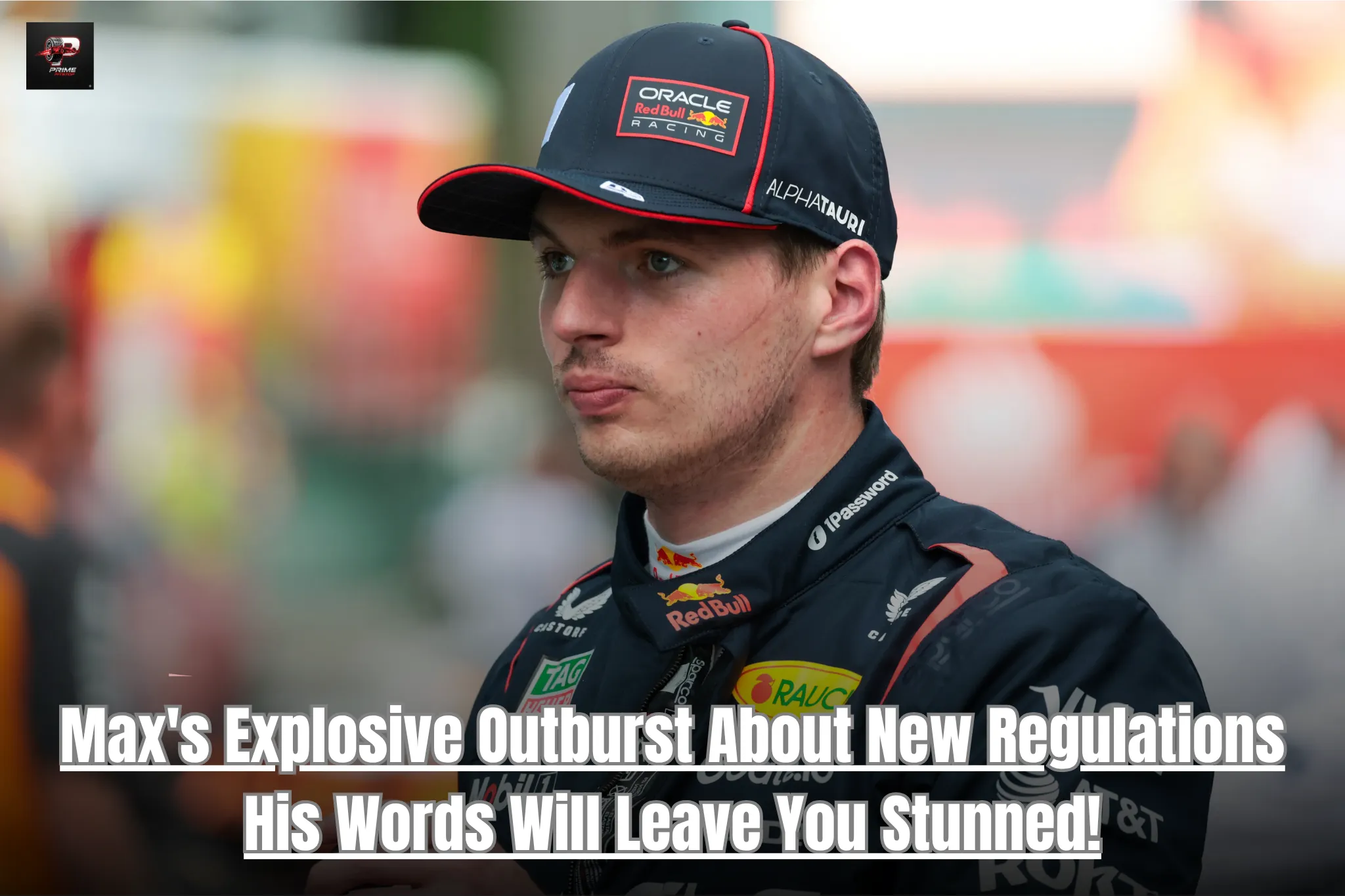
Formula 1 has always evolved through regulation changes, but not every driver embraces those transformations. For Max Verstappen, the 2026 technical regulations have become one of the most controversial topics of his career, and his repeated criticism has raised serious questions about how long he intends to remain in the sport.
The four-time world champion has never been afraid to voice his opinions, and his concerns about Formula 1’s new generation of power units have become impossible to ignore. With the FIA already making significant adjustments to the regulations after just one season, Verstappen’s warnings suddenly appear more relevant than ever.
WHY VERSTAPPEN HAS A PROBLEM WITH THE NEW ERA
The 2026 regulations were designed to create a more sustainable future for Formula 1 by dramatically increasing the role of electrical power. The original concept aimed for an almost equal balance between combustion-engine output and electric energy.
While the idea looked promising on paper, reality has proven more complicated.
Drivers quickly began complaining about excessive energy management, reduced flat-out racing, and situations where they were forced to conserve power rather than attack. Verstappen emerged as one of the strongest critics, arguing that Formula 1 risked moving away from the type of racing that made the sport popular in the first place.
For a driver known for aggressive racing and relentless speed, constantly managing battery levels is far from ideal.
THE FIA’S LATEST CHANGES VALIDATE SOME OF THOSE CONCERNS
Recent FIA decisions suggest Formula 1 acknowledges there is a problem.
Engine manufacturers and regulators have agreed to gradually increase the proportion of power generated by the internal combustion engine while reducing reliance on electrical systems. By 2028, the balance will move significantly toward traditional engine power compared to the original vision.
This represents a major shift from the philosophy that launched the 2026 regulations.
Many within the paddock see the move as an admission that the first version of the rules failed to deliver the racing spectacle everyone expected. While the changes may improve the situation, they also reinforce the idea that Verstappen’s criticisms were not simply complaints but legitimate concerns shared by many drivers.
WHY VERSTAPPEN’S FUTURE IS BECOMING A MAJOR TALKING POINT
Whenever Verstappen speaks about potentially leaving Formula 1, people listen.
Unlike many drivers, the Dutchman has repeatedly suggested that he has interests beyond Formula 1 and does not necessarily see himself racing into his 40s. He has spoken openly about endurance racing, sim racing, and enjoying life away from the relentless pressure of a Formula 1 calendar that continues to expand.
The current regulations have only intensified speculation.
If Verstappen feels Formula 1 is moving too far away from pure racing, his motivation could eventually decline. That doesn’t mean retirement is imminent, but it does create uncertainty around the long-term future of one of the sport’s biggest stars.
RED BULL’S CHALLENGES ADD ANOTHER LAYER
The regulation debate is not the only factor influencing Verstappen’s outlook.
Red Bull has faced significant challenges since the introduction of the new power-unit era. The team has found itself battling both performance concerns and political disputes, including recent disagreements regarding FIA engine rankings and upgrade opportunities.
A driver can tolerate unpopular regulations if he is winning consistently. However, frustration with the rules becomes far more noticeable when competitive dominance disappears.
Should Red Bull struggle to regain a championship-winning position, Verstappen may become even more vocal about the direction Formula 1 is taking.
WHAT HIS EXIT WOULD MEAN FOR FORMULA 1
Few drivers in modern history have had the impact Verstappen has achieved.
He attracts enormous audiences, generates headlines globally, and remains one of the most recognizable athletes in motorsport. Losing him would represent a significant blow to Formula 1’s popularity and competitive appeal.
The championship is currently entering a new era with emerging stars such as Kimi Antonelli challenging established names like Lewis Hamilton, Charles Leclerc, and George Russell. Verstappen remains a central figure in that narrative.
His departure would create a void that no single driver could easily fill.
COULD THE FIA DO MORE TO KEEP HIM HAPPY?
Formula 1’s leadership understands Verstappen’s importance.
The recent engine-rule adjustments may already reflect an effort to address concerns raised by both drivers and fans. By reducing energy-saving requirements and increasing traditional engine power, the FIA hopes to restore a more aggressive style of racing.
Whether those changes are enough remains to be seen.
If future regulations continue moving toward what drivers consider authentic racing, Verstappen may find renewed enthusiasm. If not, speculation about his long-term future will only grow stronger.
PREDICTION: VERSTAPPEN ISN’T LEAVING YET, BUT THE WARNING SIGNS ARE REAL
Despite the headlines, Verstappen is unlikely to walk away from Formula 1 in the immediate future. He remains one of the fastest drivers in the world and still has unfinished business in the championship.
However, his dissatisfaction with the current regulatory direction should not be dismissed.
The FIA’s decision to revise the engine rules demonstrates that concerns from drivers are being taken seriously. If those changes improve the racing experience, Verstappen may remain committed to Formula 1 for several more years.
But if the sport continues down a path he fundamentally disagrees with, the possibility of an early exit may become one of the biggest stories Formula 1 has ever faced.