Red Bull Racing’s form heading into the Spanish Grand Prix weekend has sparked one of the biggest talking points in the paddock: are they truly in contention for pole position, or just fighting to stay in the top three rows?
With a cryptic assessment emerging from the team about their updated Barcelona front wing package, the picture is anything but clear. While Max Verstappen remains the benchmark for extracting performance on a single lap, the underlying message from Milton Keynes suggests uncertainty about whether the RB22 has enough outright pace to challenge McLaren and Mercedes at the very front.
A CRYPTIC VERDICT FROM RED BULL
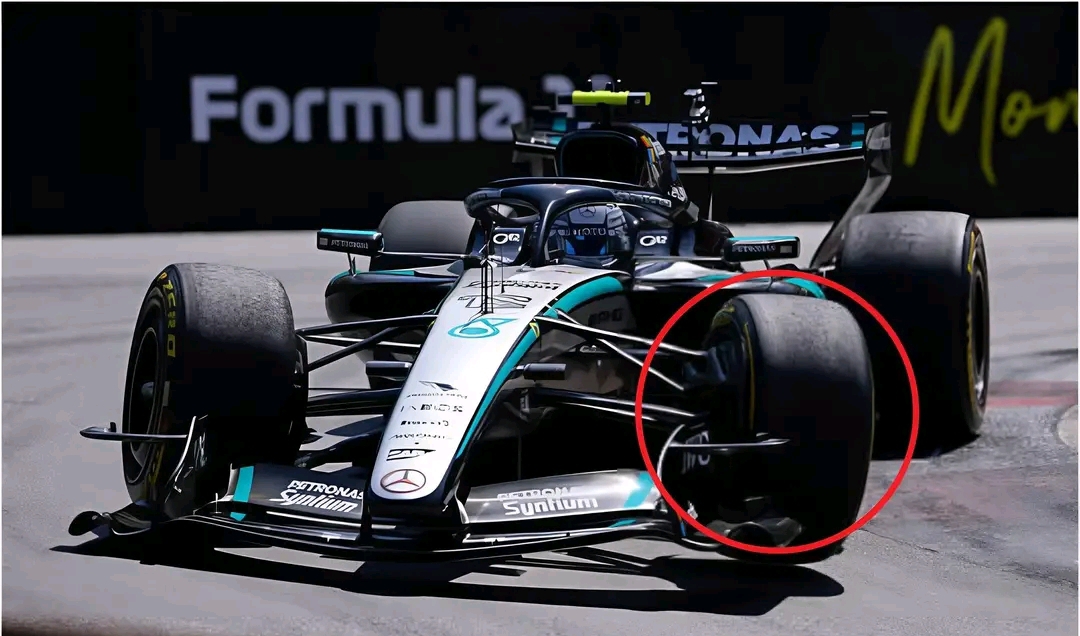
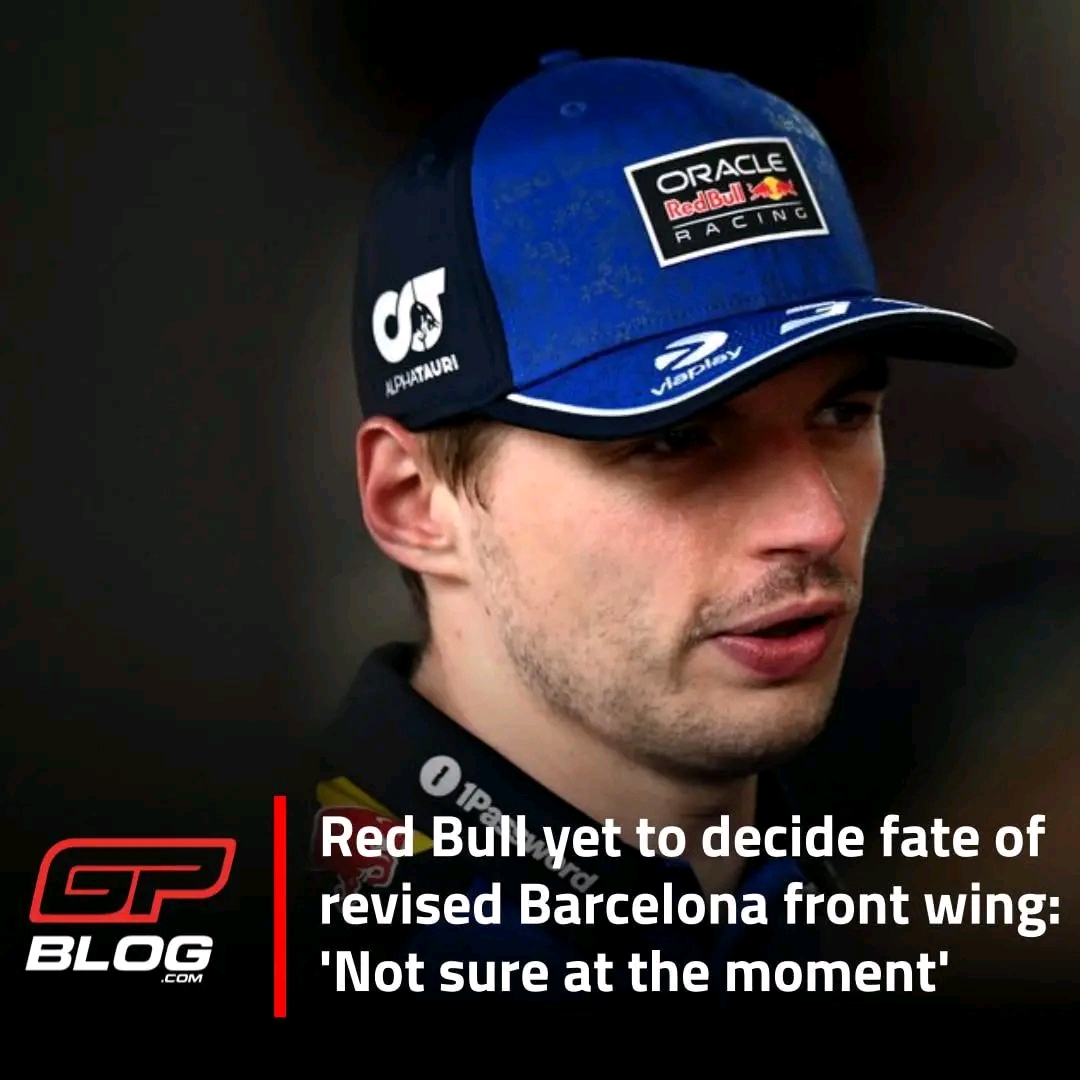
Red Bull’s technical feedback on their latest Barcelona-spec front wing has been deliberately vague, describing the upgrade as “promising in some conditions but inconsistent across the lap.”
That kind of language usually signals one thing in Formula 1: the team is still trying to understand its own package.
In a sport where McLaren and Mercedes have both made noticeable gains in qualifying trim, even small inconsistencies in front-end load or tyre temperature management can cost several tenths per lap. And in Barcelona, where corners like Turn 3 and Turn 9 heavily punish aerodynamic instability, those weaknesses are quickly exposed.
Max Verstappen has already hinted at the problem indirectly, suggesting that Red Bull are still “lacking a bit too much” in key sectors to realistically fight for pole �.
Pit Debrief
WHY BARCELONA EXPOSES RED BULL’S WEAKNESSES
The Circuit de Barcelona-Catalunya is one of the most complete aerodynamic tests on the calendar. Long, loaded corners, heavy tyre degradation, and smooth but demanding asphalt combine to create a qualifying session where balance is everything.
For Red Bull, the challenge is twofold:
First, the RB22 appears to still struggle with front-end consistency. That affects turn-in stability, especially in medium-speed corners where confidence is crucial.
Second, tyre preparation has been inconsistent in recent sessions, meaning the car is not always in the optimal temperature window for a full qualifying push lap.
This combination is particularly damaging in Barcelona, where McLaren have historically thrived thanks to strong tyre management and Mercedes have shown improved one-lap execution.
VERSTAPPEN: STILL THE DIFFERENCE MAKER
Even with Red Bull’s limitations, Verstappen remains the single biggest factor in the pole position equation.
If there is even a small window of opportunity, he can extract performance that other drivers simply cannot. However, recent evidence suggests that even his brilliance has limits when the car is not fully in the correct aerodynamic window.
He has already admitted that the team is “lacking too much” in qualifying conditions to consistently challenge at the very top.
That places Red Bull in a difficult position: they are not far off, but not close enough to rely on driver skill alone.
HOW CLOSE IS THE QUALIFYING BATTLE?
Based on current form trends, the gap between Red Bull and the front row contenders appears to sit in the range of one to three tenths of a second.
That might sound small, but in modern Formula 1 qualifying, it is often the difference between pole position and third row.
McLaren, in particular, have shown strong single-lap pace in medium-high speed corners, while Mercedes have improved stability under braking and traction zones.
Red Bull’s strength still lies in race pace and tyre management, but Barcelona qualifying does not reward race pace. It rewards perfection over one lap.
CAN RED BULL STILL TAKE POLE?
The short answer: yes, but only under specific conditions.
Red Bull can realistically fight for pole in Barcelona if:
Track temperatures drop to favour their tyre window
The front wing upgrade performs consistently across all three sectors
Verstappen delivers a near-perfect lap while rivals make small errors
The circuit evolution plays into their setup direction
Without those conditions aligning, pole position becomes significantly more difficult.
More realistically, Red Bull appear to be in the fight for the top three or top four, rather than outright dominance.
STRATEGIC IMPLICATIONS FOR SUNDAY
Even if qualifying does not go Red Bull’s way, Barcelona remains a strategic race where tyre degradation plays a massive role.
Teams are expecting a two-stop strategy, and that opens the door for race-day recovery drives. Red Bull’s traditional strength in managing long-run pace could still make them dangerous even if they start behind McLaren or Mercedes.
However, starting further back increases exposure to dirty air and strategy disruption, which could blunt their usual advantage.
FINAL VERDICT: POLE IS POSSIBLE, BUT NOT LIKELY ON RAW PACE
Red Bull are not out of the pole fight in Barcelona, but they are no longer the clear favourites.
The cryptic nature of their front wing feedback suggests a car still in development rather than a fully optimized qualifying machine. In contrast, McLaren and Mercedes appear more settled in their setups for a one-lap attack.
Unless Red Bull unlocks a breakthrough overnight, Verstappen may once again be forced into damage limitation in qualifying rather than outright dominance.
For now, the battle for pole looks wide open, but Red Bull are entering it as challengers—not leaders.