Meta Description: Formula 1 could make a surprise return to Malaysia’s Sepang Circuit in 2026 as calendar changes loom. Here’s what it means for F1, teams, and fans worldwide.
Formula 1 has built its reputation on precision, planning, and global spectacle. Yet even the world’s premier motorsport championship isn’t immune to unexpected disruptions. As uncertainty continues to surround parts of the 2026 calendar because of geopolitical tensions in the Middle East, one familiar venue has unexpectedly re-entered the conversation: Malaysia’s iconic Sepang International Circuit.
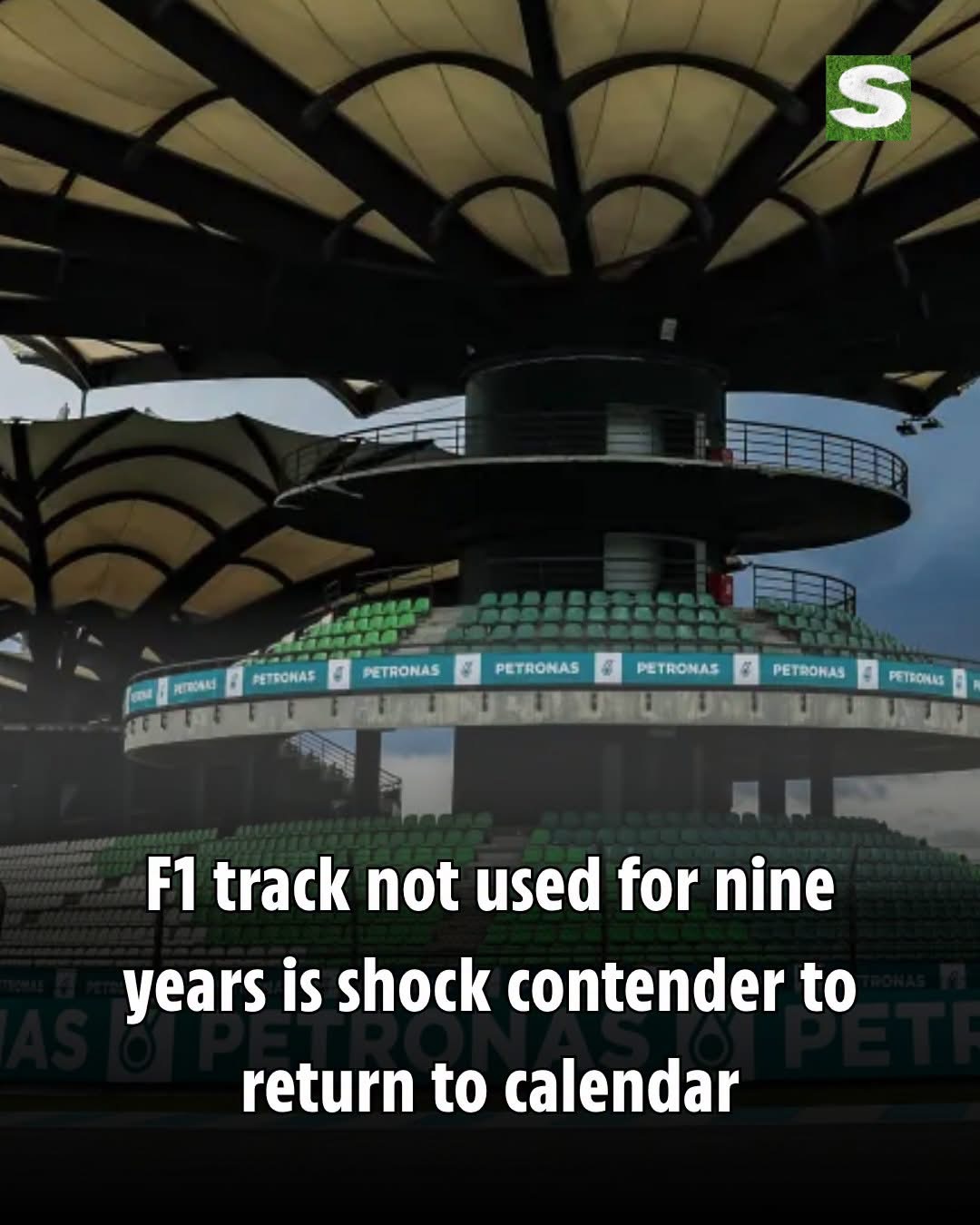
While no final decision has been announced, Sepang has emerged as one of the leading candidates should Formula 1 need a replacement venue later this season. For longtime fans, the possibility represents more than a scheduling adjustment—it could mark the return of one of the sport’s most respected racing circuits after nearly a decade away.
WHY FORMULA 1 IS CONSIDERING ALTERNATIVE VENUES
Formula 1’s calendar is one of the most complex logistical operations in global sport. Every race involves transporting hundreds of tons of equipment, coordinating thousands of personnel, and satisfying commercial agreements with race promoters around the world.
Recent geopolitical developments have complicated plans for several Middle Eastern events, forcing Formula 1 and the FIA to evaluate contingency options. Rather than leaving gaps in the championship schedule, organizers appear determined to preserve as many races as possible while prioritizing safety for drivers, teams, officials, and fans. (The Sun)
WHY SEPANG STANDS OUT
Among all potential replacement circuits, Sepang offers several practical advantages.
Located close to Singapore, the Malaysian venue fits naturally into Formula 1’s existing Asian logistics. Equipment already moving through the region could be transported without dramatically increasing travel demands on teams.
Beyond geography, Sepang has an impressive Formula 1 pedigree. Designed by renowned circuit architect Hermann Tilke, the track is widely respected for encouraging overtaking opportunities, strategic variety, and unpredictable racing conditions. Tropical heat and sudden rain showers have often produced memorable Grands Prix that challenged even the sport’s greatest drivers.
Unlike many newer venues, Sepang has already demonstrated it can successfully host Formula 1, reducing the preparation required for a potential return.
WHY MALAYSIA LEFT THE F1 CALENDAR
Malaysia hosted Formula 1 regularly until 2017 before stepping away from the championship.
At the time, officials cited rising hosting fees, declining attendance, and increasing competition from newer races across Asia and the Middle East. Since then, Formula 1 has experienced remarkable commercial growth under Liberty Media, expanding its global audience and attracting millions of new fans through digital platforms and documentary series. (The Sun)
That growth raises an interesting question: could Sepang now attract stronger commercial support than it did nearly a decade ago?
WHAT A RETURN WOULD MEAN FOR FORMULA 1
A Malaysian Grand Prix would provide benefits extending beyond simply filling an empty calendar slot.
For Formula 1, it would demonstrate flexibility during an unpredictable season while maintaining momentum for broadcasters, sponsors, and fans.
For teams, racing at a familiar permanent circuit offers valuable predictability compared with introducing an entirely new venue on short notice.
For supporters, especially those across Southeast Asia, the return would reconnect one of the world’s fastest-growing fan bases with live Formula 1 action.
The championship has worked hard to strengthen its presence in Asia, and Malaysia remains an important market with a passionate motorsport community.
THE CHALLENGES STILL AHEAD
Despite the excitement, several hurdles remain.
Hosting an F1 race requires complex agreements involving governments, promoters, commercial rights holders, and local organizers. Financial considerations, logistics, staffing, and international travel all play significant roles in determining whether a race can be added at relatively short notice.
Additionally, Formula 1 must continue monitoring the evolving security situation before making any final calendar decisions.
For now, Sepang remains a possibility rather than a confirmed destination.
COULD OTHER CIRCUITS ALSO RETURN?
Malaysia is not the only venue reportedly under consideration.
Portugal’s Portimão circuit has also been mentioned as a possible replacement should further calendar adjustments become necessary. The willingness to consider former Formula 1 venues highlights an important trend: established circuits with modern facilities remain valuable contingency options whenever unexpected events disrupt the championship schedule. (The Sun)
WHAT THIS SAYS ABOUT FORMULA 1’S FUTURE
Formula 1 has evolved into a truly global championship, but recent events illustrate that flexibility may become just as important as expansion.
Climate events, geopolitical uncertainty, and logistical challenges are increasingly influencing international sporting calendars. Championships that can quickly adapt without sacrificing quality will likely be better positioned for long-term success.
If Sepang does return, it could strengthen the argument for maintaining relationships with proven circuits rather than relying exclusively on long-term fixed calendars.
FINAL THOUGHTS
Whether or not Malaysia officially rejoins the 2026 Formula 1 calendar, its emergence as a serious candidate highlights the enduring reputation of Sepang International Circuit.
For many fans, a return would represent both nostalgia and opportunity—a chance to revisit one of Formula 1’s most respected venues while proving that classic circuits still have an important place in modern motorsport.
As Formula 1 officials weigh their options in the coming days, motorsport enthusiasts around the world will be watching closely to see whether one of the sport’s favorite tracks is ready for another chapter.
FREQUENTLY ASKED QUESTIONS
WILL SEPANG DEFINITELY HOST AN F1 RACE IN 2026?
No. Sepang is reportedly under consideration, but Formula 1 has not officially confirmed any calendar change.
WHY DID FORMULA 1 STOP RACING IN MALAYSIA?
Malaysia left the calendar after the 2017 season because of rising hosting costs, declining ticket sales, and increasing competition from other Grands Prix.
WHY IS FORMULA 1 LOOKING FOR REPLACEMENT CIRCUITS?
Uncertainty surrounding some Middle Eastern events has prompted Formula 1 to evaluate alternative venues while prioritizing safety and maintaining as many races as possible.
WHAT MAKES SEPANG A POPULAR F1 CIRCUIT?
Drivers and fans appreciate Sepang for its challenging layout, overtaking opportunities, changing weather conditions, and history of producing exciting races.