The 2026 Monaco Grand Prix produced one of the most emotional moments of the Formula 1 season, but not for the reasons many fans initially believed.
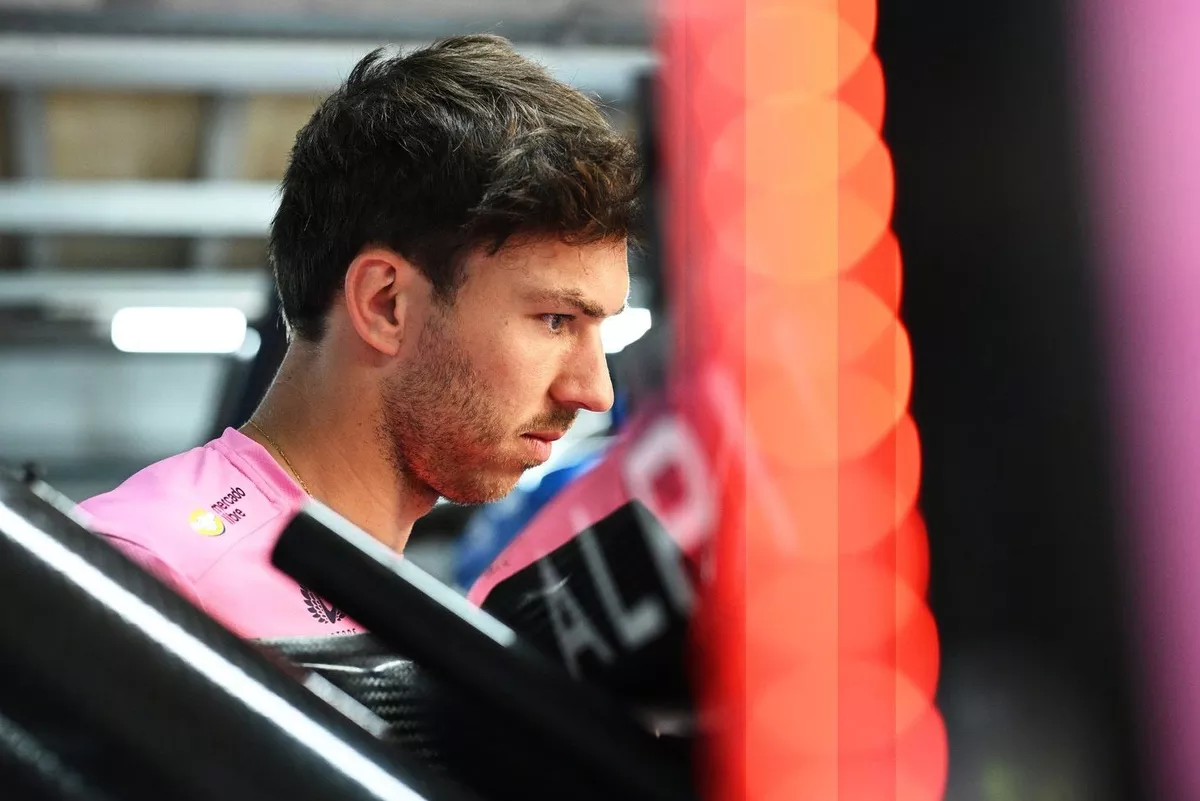
As Pierre Gasly crossed the finish line appearing to celebrate a stunning third-place finish, television cameras captured the Alpine driver pumping his fists and shouting in apparent joy. However, the reality behind those scenes was far more heartbreaking.
Rather than celebrating a career-defining podium, Gasly was expressing frustration, disbelief, and anger after learning that penalties would likely strip him of one of the most significant results of his Formula 1 career.
The incident has since become one of the biggest talking points in the F1 paddock, raising questions about pitlane speed enforcement, stewarding consistency, and whether Alpine can still recover the podium through its ongoing appeal.
A DREAM RESULT TURNED INTO HEARTBREAK
Monaco remains the crown jewel of Formula 1.
Winning in Monte Carlo is considered one of the greatest achievements in motorsport, but even standing on the podium carries enormous prestige. For drivers outside the championship-contending teams, a Monaco podium can become one of the defining moments of an entire career.
For Gasly, that opportunity finally seemed within reach.
The Frenchman produced one of his strongest performances in recent years, navigating Monaco’s unforgiving streets with precision while maximizing every strategic opportunity available to Alpine.
As the race entered its final stages, Gasly appeared set to secure an unexpected third-place finish, a result that would have represented a major achievement for both driver and team.
Instead, the celebrations quickly transformed into devastation.
THE PENALTIES THAT CHANGED EVERYTHING
Gasly’s race unraveled due to pitlane speeding penalties that ultimately dropped him from a podium position to seventh place.
What makes the situation particularly controversial is how small the alleged infractions were.
Reports indicate the speed violations were measured by fractions of a kilometer per hour above the prescribed limit, margins so tiny that they have fueled widespread debate throughout the Formula 1 community.
Even more notably, Gasly was not alone.
Several drivers were penalized for similar offenses during the Monaco Grand Prix, leading many teams to question whether there was a larger issue with how pitlane speeds were being measured and monitored.
The unusually high number of penalties immediately raised eyebrows across the paddock.
WHY GASLY’S CELEBRATION WAS MISUNDERSTOOD
Many fans watching the cooldown lap believed Gasly was genuinely celebrating because he had not yet been informed of the penalties.
That assumption turned out to be incorrect.
The Alpine driver had already been notified during the race that penalties were likely to cost him his podium finish. By the time he crossed the finish line, he understood exactly what was happening.
His fist pumps and emotional reactions were not expressions of joy.
They were a visible display of frustration and sarcasm.
In many ways, the reaction reflected the emotional investment Formula 1 drivers place in every opportunity. Drivers dedicate years of training, sacrifice, and relentless effort chasing moments like a Monaco podium.
To see such a result disappear due to a technical infringement measured in fractions of a kilometer per hour naturally triggered a powerful emotional response.
WHY ALPINE BELIEVES IT HAS A CASE
Rather than accepting the result, Alpine has chosen to challenge the decision.
The team’s request for a review signals strong confidence that its data may tell a different story than the one reflected in the official verdict.
According to Alpine’s position, telemetry suggests Gasly activated his speed limiter before reaching the measurement zone and remained below the speed threshold.
If the team can successfully prove this argument, the FIA could be forced to reconsider the penalties.
However, Formula 1 appeals are notoriously difficult to win.
Teams must provide new and compelling evidence, not simply disagree with the original ruling. That means Alpine faces a significant challenge despite its confidence.
THE IMPACT ON ALPINE’S SEASON
The consequences extend far beyond a single podium ceremony.
In modern Formula 1, every point matters.
The difference between third and seventh place represents a substantial swing in championship points, especially for a midfield team like Alpine that is battling rivals throughout the Constructors’ Championship standings.
A restored podium would not only increase the team’s points total but also boost morale within an organization that has been searching for momentum.
For Gasly personally, the result would strengthen his position as Alpine’s leading driver and reinforce his reputation as one of Formula 1’s most consistent performers outside the sport’s elite teams.
THE BIGGER ISSUE FACING FORMULA 1
The controversy highlights an ongoing challenge within Formula 1: balancing precision with fairness.
Modern racing relies heavily on data, sensors, and automated systems. While these technologies improve accuracy, they can also create situations where races are dramatically altered by incredibly small margins.
Supporters of the FIA’s strict approach argue that rules must be enforced equally regardless of the margin involved.
Critics counter that penalties should reflect the severity of the offense and that technical measurements involving fractions of a kilometer per hour risk overshadowing genuine sporting achievement.
The Monaco controversy has reignited that debate.
Regardless of the final outcome, Formula 1 officials may face increased pressure to review how pitlane speed limits are monitored at unique circuits such as Monaco.
WHAT HAPPENS NEXT?
All eyes now turn toward Alpine’s appeal.
The FIA will carefully review any new evidence presented by the team before determining whether the penalties should stand.
Historically, successful appeals remain rare, making it likely that the original result will be upheld.
However, the unusual circumstances surrounding Monaco’s pitlane and the large number of affected drivers mean this case is far from ordinary.
If Alpine can demonstrate inconsistencies in the speed calculations, Formula 1 could witness one of the most significant post-race reversals in recent memory.
PREDICTION: WILL GASLY GET HIS PODIUM BACK?
At present, the odds appear slightly against Alpine.
The FIA generally requires overwhelming evidence before overturning steward decisions, and previous appeals have shown just how difficult that process can be.
Nevertheless, the widespread nature of the Monaco pitlane controversy gives Alpine a stronger argument than most teams typically possess.
My prediction is that the penalties will ultimately remain in place, but the hearing could expose flaws in Monaco’s pitlane speed measurement procedures that lead to regulatory changes in the future.
Even if Gasly never regains the podium officially, the controversy has already ensured that his remarkable Monaco performance will not be forgotten.
For many fans, he remains one of the standout performers of the weekend, regardless of what the final standings say.
FINAL THOUGHTS
Pierre Gasly’s emotional reaction after the Monaco Grand Prix was not the celebration of a podium finish. It was the reaction of a driver watching a lifelong dream disappear in real time.
Whether Alpine succeeds in its appeal or not, the incident serves as a reminder of how fine the margins are in Formula 1.
Sometimes the difference between triumph and heartbreak is not measured in seconds.
It’s measured in fractions of a kilometer per hour.