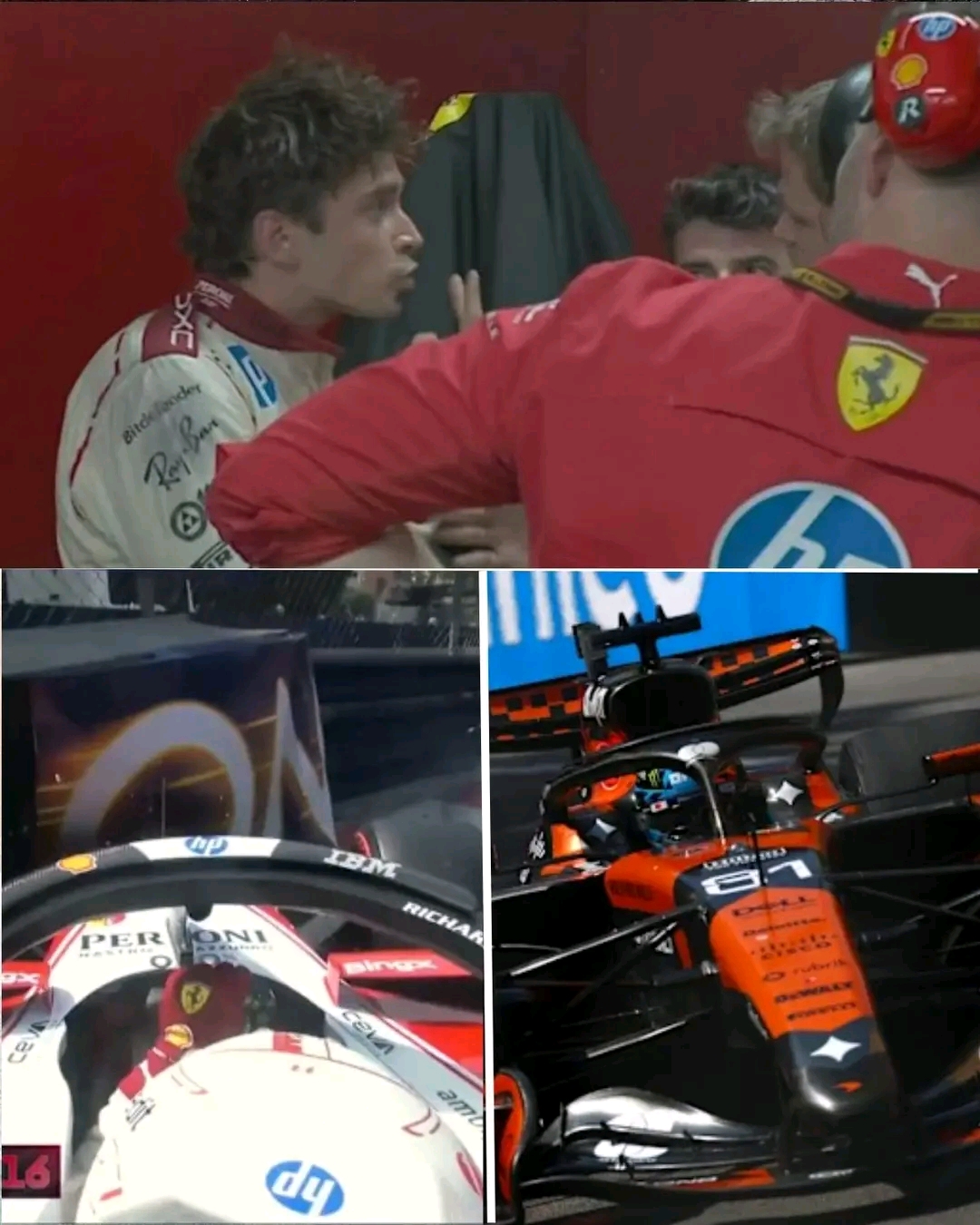
Ferrari arrived at the Austrian Grand Prix believing they had finally uncovered the secret behind Mercedes’ impressive pace in the 2026 Formula 1 season. The Italian outfit successfully pushed the FIA to review Mercedes’ rear diffuser design, forcing the championship leaders to modify part of the W17 before the weekend began. On paper, it appeared to be the perfect opportunity for Ferrari to capitalize, especially after Lewis Hamilton’s breakthrough victory in Barcelona and the introduction of fresh upgrades to the SF-26.
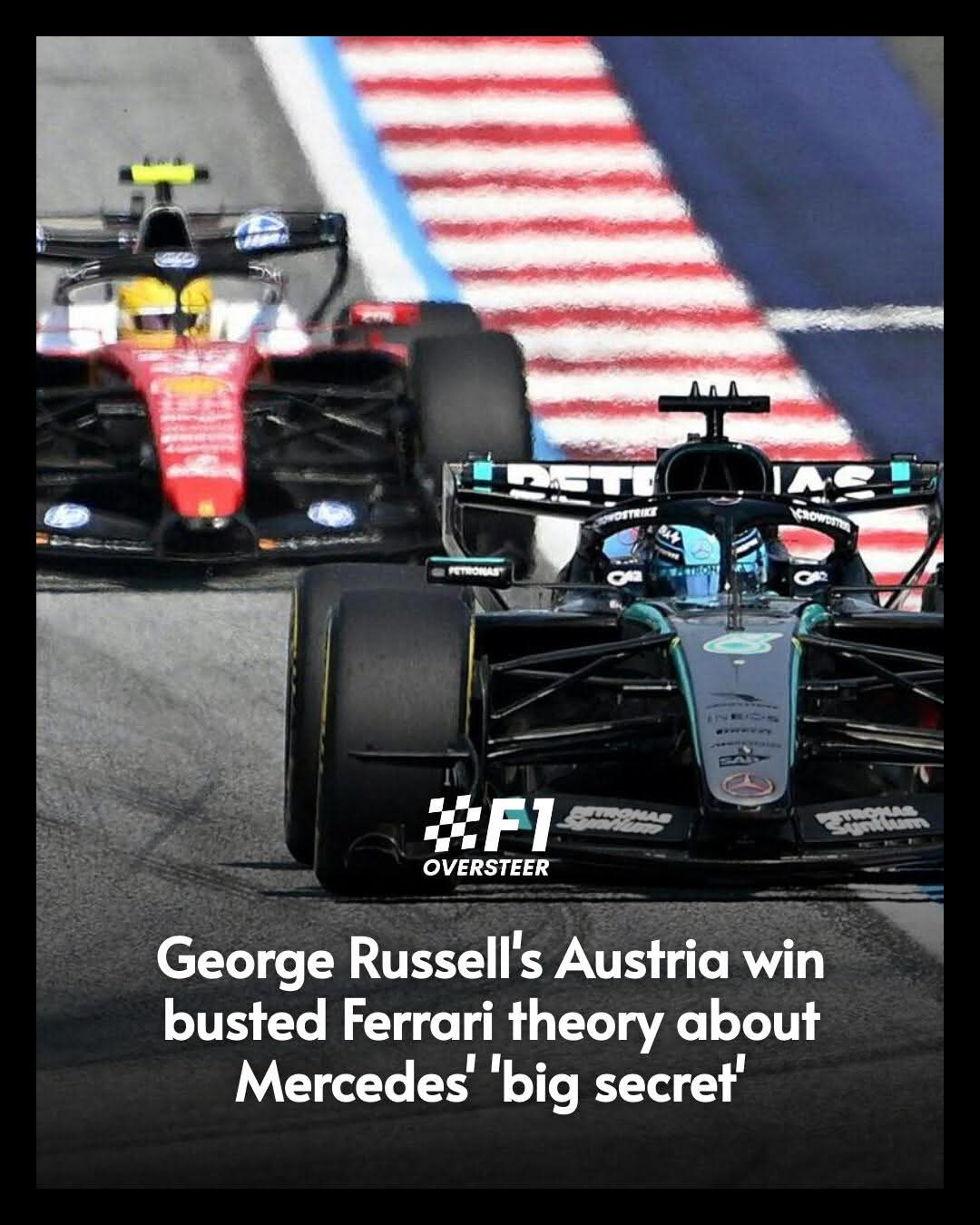
Instead, Austria produced the exact opposite result. George Russell dominated the race, Mercedes extended its lead in both championships, and Ferrari left Spielberg with more questions than answers. Rather than exposing Mercedes’ weakness, the weekend highlighted just how far Ferrari still has to go in understanding where its rival is truly gaining performance.
FERRARI’S FIA PROTEST FAILED TO DISRUPT MERCEDES
Ahead of the Austrian Grand Prix, Ferrari questioned the legality of Mercedes’ upgraded rear diffuser, specifically focusing on additional strakes introduced as part of the team’s latest aerodynamic package. The FIA ultimately agreed that changes were required, forcing Mercedes to adjust the design before qualifying.
Normally, making late aerodynamic modifications can compromise a team’s setup and weekend preparation. Many expected Mercedes to lose some of its competitive edge after being forced to revise a key component under tight time constraints.
However, the anticipated performance drop never materialized.
George Russell secured pole position before converting it into a commanding victory, while rookie championship leader Andrea Kimi Antonelli added another podium finish. Rather than slowing Mercedes down, the diffuser changes appeared to have little measurable effect on the car’s overall competitiveness.
That outcome immediately weakened Ferrari’s theory that the diffuser was the primary source of Mercedes’ advantage.
RUSSELL’S PERFORMANCE PROVED THE REAL STRENGTH OF THE W17
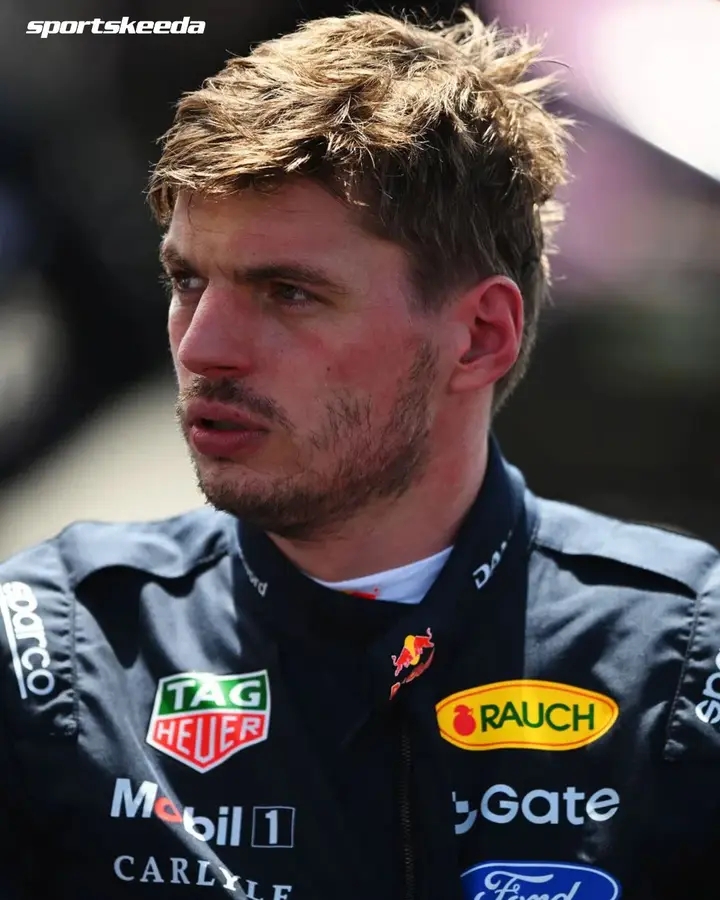
Although Russell’s pole lap generated debate after it was set during a yellow-flag incident caused by Max Verstappen’s late crash, the FIA later confirmed the Mercedes driver had complied with the regulations.
Once Sunday’s race began, Russell removed any lingering doubts.
The British driver managed tyre wear superbly, controlled the pace from the front, and eventually crossed the finish line roughly 25 seconds ahead of the leading Ferrari. Verstappen was the only driver capable of applying sustained pressure, finishing just under two seconds behind Russell after Red Bull’s aggressive strategy kept him in contention.
Ferrari, meanwhile, quickly slipped out of the fight.
Lewis Hamilton and Charles Leclerc struggled with overheating, excessive tyre degradation, and a lack of straight-line performance throughout the afternoon. What had looked like a promising second and third on the grid quickly became fifth and eighth at the chequered flag.
MERCEDES’ ADVANTAGE CLEARLY RUNS DEEPER THAN A SINGLE COMPONENT
Austria demonstrated that Mercedes’ superiority cannot be explained by one aerodynamic innovation alone.
Formula 1 performance is built on the interaction between aerodynamics, suspension, tyre management, cooling efficiency, power unit deployment, and race strategy. Even after modifying the rear diffuser, Mercedes remained comfortably ahead, suggesting its competitive edge comes from the complete package rather than one standout component.
Team principal Toto Wolff has consistently avoided revealing exactly where Mercedes has found its advantage, and Austria only strengthened that mystery.
Ferrari’s protest may have forced regulatory compliance, but it failed to expose the team’s true performance gains.
For rivals hoping Mercedes would suddenly lose pace, Spielberg delivered an unwelcome reality check.
FERRARI’S NEW UPGRADES FAILED THEIR FIRST BIG TEST
Austria was expected to validate Ferrari’s latest development package after Hamilton’s impressive victory in Spain.
Instead, the upgrades struggled on one of Formula 1’s most power-sensitive circuits.
The SF-26 lacked straight-line speed, overheated during the race, and consumed its tyres at an alarming rate. Hamilton repeatedly battled tyre degradation despite aggressive strategy calls, while Leclerc also suffered throughout the race after sustaining front-wing damage.
Team principal Fred Vasseur acknowledged after the race that Ferrari simply lacked the pace needed to challenge Mercedes under these conditions.
That admission raises concerns about whether Ferrari’s recent improvements are circuit-specific rather than universally effective.
With Silverstone approaching, Ferrari must quickly determine whether Austria was an isolated setback or evidence that its development path still requires significant refinement.
RED BULL OFFERED THE STRONGEST CHALLENGE
While Ferrari struggled, Red Bull quietly emerged as Mercedes’ closest rival.
Max Verstappen’s second-place finish demonstrated that Red Bull extracted the maximum possible performance despite not having the outright pace to match Russell over an entire race distance.
Their ability to remain within striking distance suggests Red Bull may currently possess the second-fastest race package, particularly on circuits where strategy and tyre management become decisive factors.
That could make Verstappen Mercedes’ biggest championship threat over the coming rounds, even if Antonelli and Russell continue to split victories.
WHAT THIS MEANS FOR THE CHAMPIONSHIP
Mercedes now appears firmly in control of both title races.
The Brackley squad continues to lead the Constructors’ Championship comfortably, while Antonelli maintains first place in the Drivers’ standings despite Russell reducing the gap with his Austrian victory.
Hamilton remains within reach of the championship fight, but Ferrari can no longer rely solely on incremental upgrades if it hopes to challenge Mercedes consistently.
The team must identify why the SF-26 continues to suffer on high-speed circuits while Mercedes performs strongly regardless of aerodynamic adjustments.
Silverstone offers Ferrari an immediate opportunity to respond. The fast, flowing British circuit has traditionally suited Hamilton’s driving style, and Ferrari will hope its upgrades perform more effectively there than they did in Austria.
However, Mercedes arrives with enormous momentum.
If Austria proved anything, it is that slowing the Silver Arrows will require much more than questioning one component. Ferrari may have won the regulatory battle before the weekend, but Mercedes emphatically won the one that mattered most—on the racetrack.