Formula 1 rarely delivers emotional whiplash quite like this. One session Max Verstappen and Red Bull looked reborn on the streets of Baku. A few hours later the same car and driver were staring at eighth on the grid, muttering about problems no one could fully explain. Fans summed it up perfectly: confidence to emotional damage in record time.
The Azerbaijan Grand Prix weekend has already delivered drama, technical questions, and a reminder that even the most complete driver in the sport can be undone by gremlins when the pressure peaks.
FP3 DELIVERED THE HOPE FANS CRAVED
On Friday morning Verstappen topped Free Practice 3. The Red Bull looked sharp, the balance appeared improved, and the four-time champion was quicker than the Mercedes duo of George Russell and Kimi Antonelli. After a season of uneven form and a car that has often lacked the consistency of previous years, the message from the garage and the stands was clear: “We are back.”
Baku’s long straights and tight castle section reward cars that can combine top speed with precise handling. For one glorious hour it looked as if Red Bull had found that sweet spot. Verstappen’s time was no fluke. He was competitive without heavy reliance on slipstreams and showed the kind of single-lap confidence that once made him nearly unbeatable.
That performance raised expectations. A strong qualifying result, perhaps even a front-row fight, suddenly felt realistic. Red Bull needed the boost. The team has spent much of 2026 chasing Mercedes and Ferrari while managing a new technical era and a young teammate in Isack Hadjar who has shown flashes of genuine speed.
QUALIFYING TURNED THE STORY UPSIDE DOWN
Then came the one-hour session that decides the grid. Verstappen progressed through Q1 and Q2 looking solid, running second to Russell at times. Everything pointed to a proper scrap for pole or at least a top-three start.
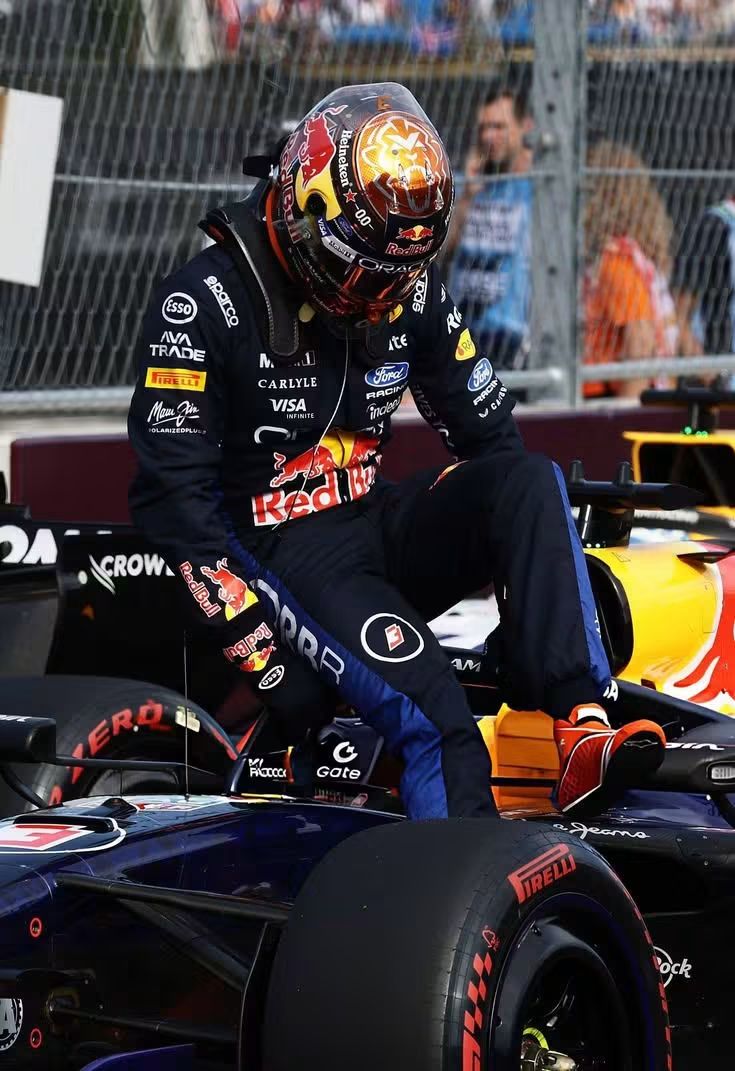
Instead the session unravelled. By the end of Q3 Verstappen sat eighth, more than 1.5 seconds off Russell’s dominant pole time. His teammate Hadjar, by contrast, produced a strong run to fourth. The contrast was impossible to ignore.
Verstappen was blunt afterwards. The whole qualifying was “not how it should be.” From Q1 his engine was already half a second down on the straights compared with Hadjar’s car, and the team could not explain why. In Q3 a battery that failed to charge fully forced him to abort a lap, killing tyre temperature on a circuit where heat management is critical. A yellow flag caused by Lando Norris further compromised his final effort. The result: P8 and a clear sense of frustration.
“It’s not good enough,” he said. When a driver of Verstappen’s calibre says that, the garage listens.
WHY THIS MATTERS FOR RED BULL AND THE CHAMPIONSHIP
This is more than one bad session. Baku has historically been kind to Verstappen. He has won here before and understands the unique demands of the street circuit better than most. Starting eighth means fighting through traffic, managing tyre degradation on a surface that can be abrasive, and relying on strategy and overtaking opportunities that are never guaranteed in the modern Formula 1 package.
The bigger picture is the reliability and consistency of the Red Bull package in 2026. Power unit issues, energy deployment problems, and unexplained performance gaps between teammates raise questions about how thoroughly the team has mastered the new regulations. Hadjar outqualifying Verstappen for only the third time this season is both a credit to the young Frenchman and a warning light for the senior driver and the engineers.
Championship implications are real. With Kimi Antonelli leading the standings and Mercedes looking strong, every point matters. Verstappen cannot afford days when the car fails to deliver the performance the driver extracts. A recovery drive into the points is possible — Baku rewards bold overtakes and good race pace — but starting from the fourth row makes life harder than it needed to be.
For the team the episode also tests internal dynamics. A clear performance gap between cars on the same day invites scrutiny. Red Bull has always thrived on internal competition, yet unexplained differences in engine or battery behaviour create unnecessary tension.
WHAT TO EXPECT ON RACE DAY
Sunday’s race will test both car and driver. Verstappen remains one of the strongest race operators on the grid. If the underlying issues can be mitigated overnight without a grid penalty, he will be a threat from eighth. Overcoming cars in the midfield and capitalising on any mistakes ahead is classic Verstappen territory.
Russell starts from pole with a clear advantage, while Ferrari and McLaren occupy strong positions. Safety cars are common in Baku, and strategy will play a major role. Red Bull’s race pace in practice offered some encouragement; converting that into a solid points haul is now the minimum requirement.
Longer term, the team must solve the reliability and correlation problems that turned a promising FP3 into a disappointing Saturday. The 2026 season is still young enough for recovery, but windows of opportunity close quickly when rivals are scoring consistently.
THE HUMAN SIDE OF THE SWING
Fans felt the emotional range in real time. The “WE ARE BACK” energy after FP3 was genuine. The collective “wait… who invited P8?” reaction after qualifying captured the sudden drop perfectly. That rapid shift from optimism to disappointment is part of what makes Formula 1 addictive. One strong practice does not guarantee a strong weekend, and even the best drivers can be left fighting the car rather than the competition.
Verstappen has been here before. He has turned becomes another recovery story or another frustrating chapter depends on how quickly Red Bull can diagnose and fix the issues that appeared so suddenly between practice and qualifying.
For now the grid is set. Max Verstappen starts eighth. The hope of Friday has been replaced by the hard work of Sunday. In Formula 1 that is often where the real stories begin.