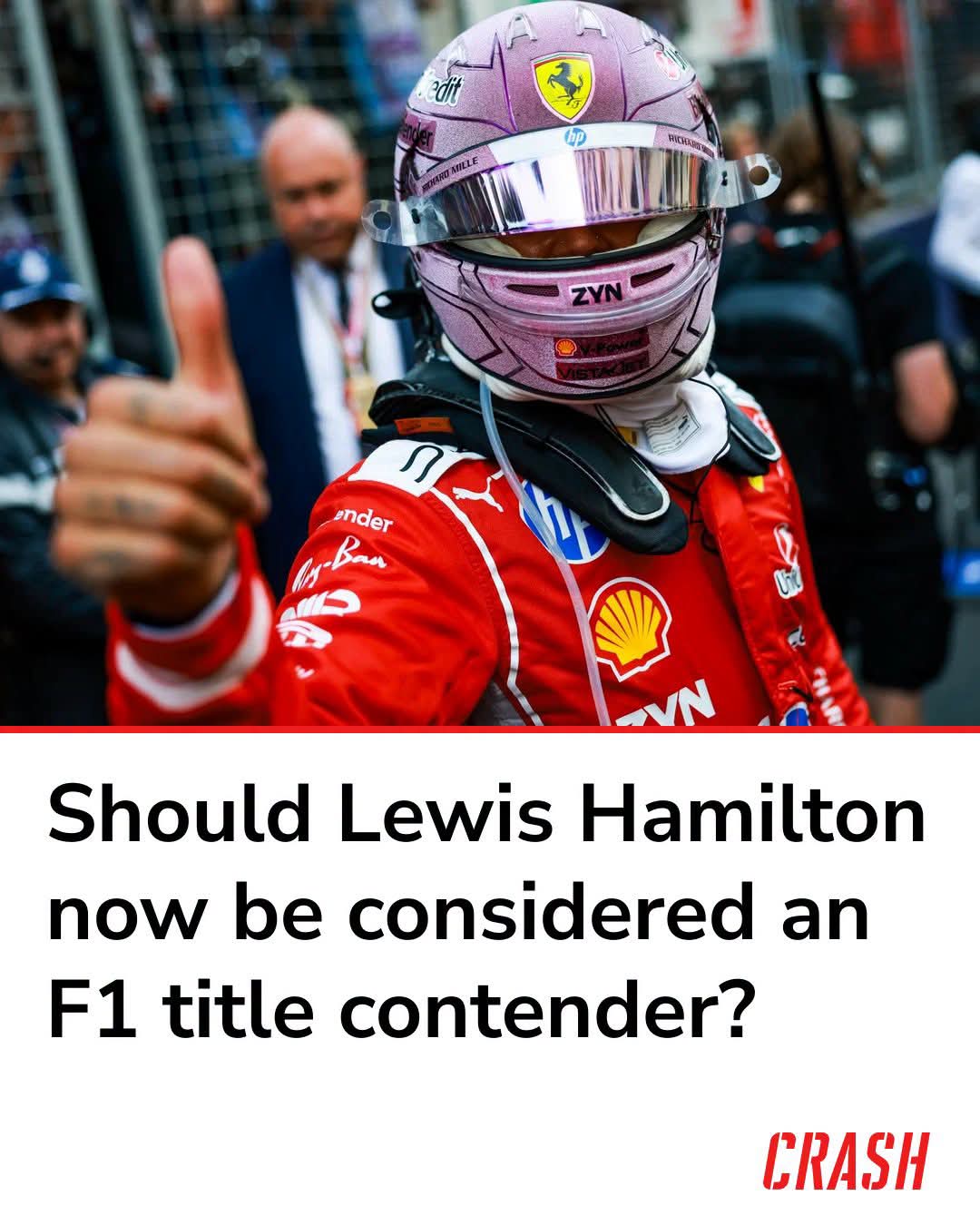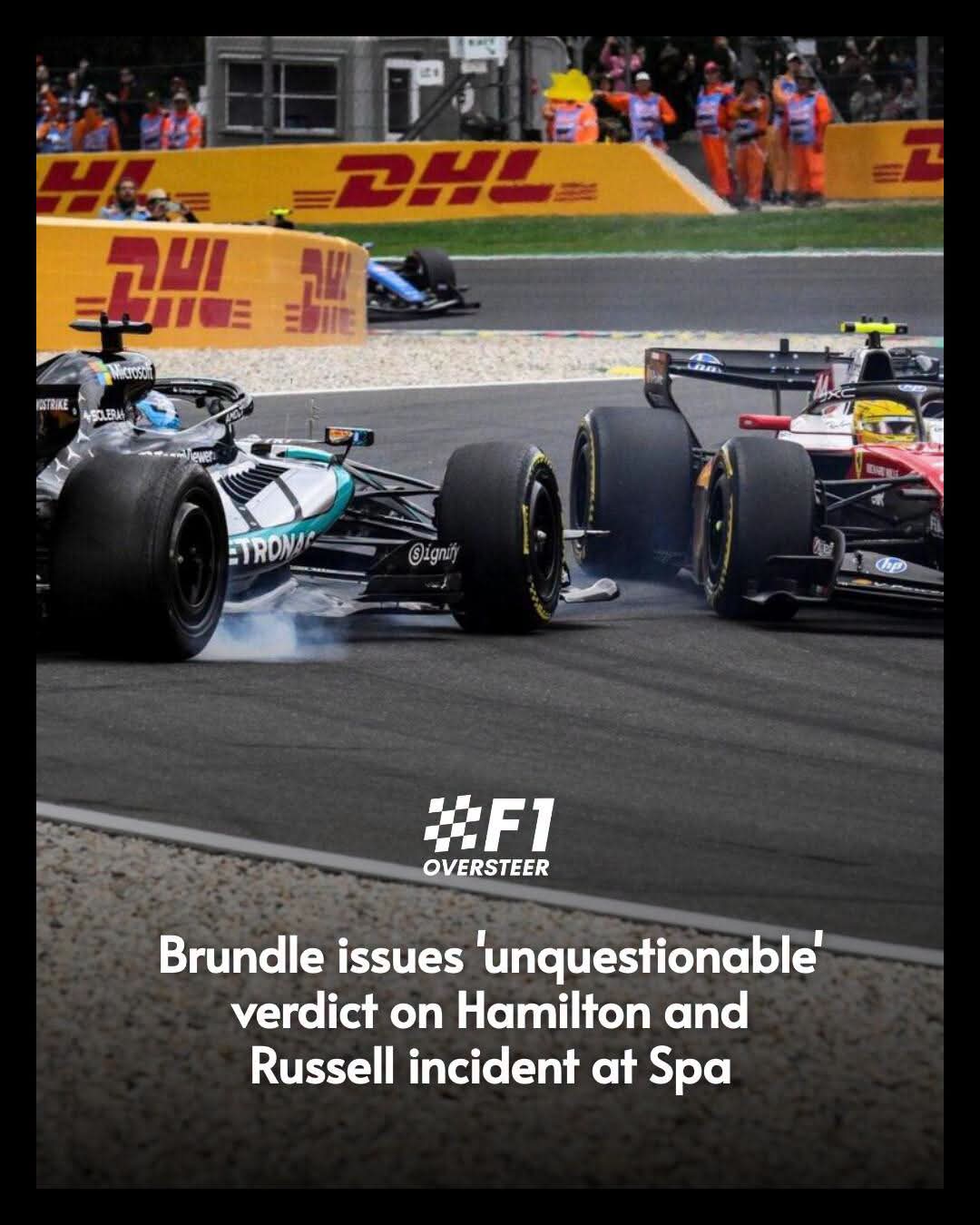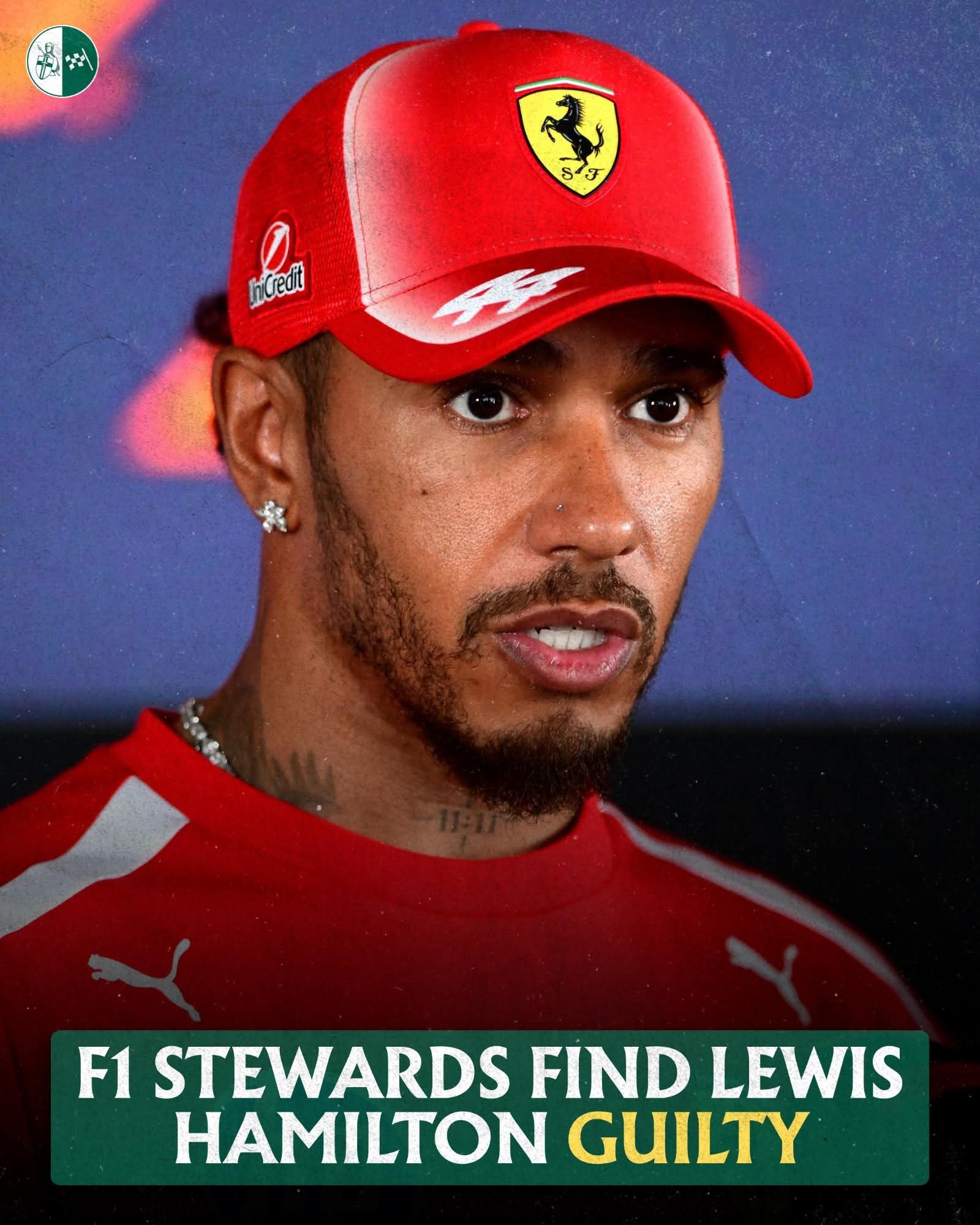
Lewis Hamilton has been found guilty by the Formula 1 stewards following a controversial incident involving Racing Bulls driver Liam Lawson during second practice at the Azerbaijan Grand Prix. The Ferrari driver was investigated after unexpectedly finding himself in Lawson’s path through the extremely fast final section of the Baku City Circuit. Lawson was on a flying lap and had to take evasive action after rapidly closing on Hamilton, who was travelling significantly slower while managing his Ferrari’s energy deployment.
The incident was particularly serious because it happened through the high-speed sequence leading toward the main straight. Lawson was reportedly approaching at around 300 km/h while Hamilton was travelling considerably slower, forcing the Racing Bulls driver to lift and brake to avoid a potential collision. Lawson immediately expressed his frustration over team radio, describing the situation as extremely dangerous. The stewards subsequently determined that Hamilton had unnecessarily impeded Lawson and had failed to follow the traffic-management instructions issued by race director Rui Marques before the weekend.
Hamilton and Ferrari argued that the unusual situation was partly caused by the energy-management characteristics of the 2026 regulations. The new-generation cars can experience substantial speed differences when one driver is conserving or harvesting electrical energy while another is using maximum deployment. Hamilton had been managing his battery through the final sector, meaning his Ferrari suddenly lacked the acceleration Lawson expected from a car ahead. Hamilton also believed the gap between the two cars was sufficient before the speed difference dramatically changed.
Despite taking those circumstances into consideration, the stewards ruled that Hamilton was responsible for the infringement. Their investigation found that he had not remained sufficiently far to the left between Turns 16 and 18 and subsequently remained on the racing line as Lawson approached. Although the stewards concluded there was no intent behind Hamilton’s actions, they considered the impeding severe because of the circuit layout, the closing speed and the specific instructions issued to drivers. Hamilton was therefore handed a driving reprimand rather than a grid penalty.
The verdict adds another disciplinary mark to Hamilton’s 2026 campaign and highlights a wider safety concern surrounding energy management at Baku. Hamilton has argued that clearer guidelines are needed to help drivers understand exactly how much space they must leave when approaching the final corners with different levels of electrical deployment. With the Azerbaijan weekend continuing, the incident could also fuel further discussions between drivers, teams and the FIA about whether the current traffic-management rules are sufficient for the unique characteristics of the 2026 cars.