Formula 1 drivers spend their lives chasing tenths of a second. Reality TV stars spend theirs chasing cameras. When the two collide on a podcast, the result is pure entertainment — and a sharp reminder of just how deep the gulf really is between professional racing and casual confidence.
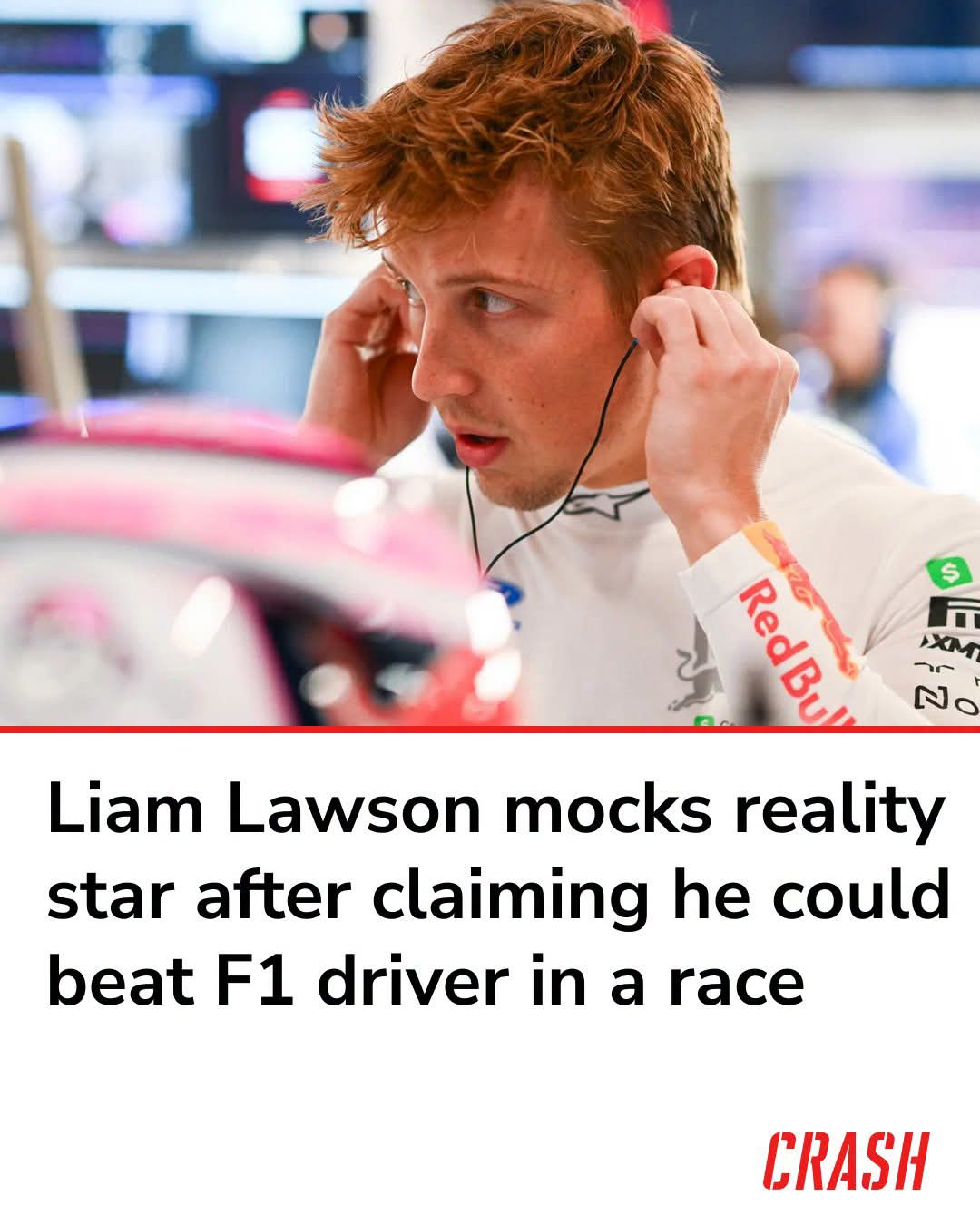
Racing Bulls driver Liam Lawson recently appeared on *Great Company with Jamie Laing*. The conversation covered career setbacks, family sacrifices, pressure, and the mental side of Formula 1. Then it veered into go-karting. What followed was one of the more entertaining exchanges of the week.
THE CLAIM THAT SPARKED THE LAUGHTER
Laing, best known for *Made in Chelsea*, told Lawson he used to kart as a kid and insisted he would have “smoked” the New Zealander. He doubled down repeatedly.
“I would take you down,” Laing said. “I’m not even kidding you. Liam, my cornering is exceptional. I have no fear… Firstly, I can feel it. Secondly, people gasp when they watch me… I honestly truly think in my head, this is not for the cameras, I think I’d beat you. I genuinely think I’d beat you.”
Lawson’s response was pure deadpan Kiwi.
He first invited Laing to actually race. Then he delivered the polite but firm reality check: “You won’t, but like it’s a great mindset to have… Ultimately, there’s just no way. Like, absolutely no way. But I do really like that mindset.”
Laing eventually conceded that Lawson would probably win a full race but still believed he might steal a faster single lap. Lawson shut that door too.
WHY THIS EXCHANGE MATTERS MORE THAN IT SEEMS
On the surface it is light-hearted banter. Dig a little deeper and it reveals something important about elite motorsport.
Go-karting is the foundation of almost every Formula 1 driver’s career. Lawson himself has spoken about grinding through his first year of karting finishing last every time before the family invested in better equipment and results finally came. That early struggle is typical. The difference between a talented amateur and a future F1 driver is measured in thousands of hours, deliberate practice, physical conditioning, and an ability to extract performance that borders on obsession.
An F1 driver does not simply drive faster. They process information at a different rate, feel the limit of grip earlier, manage tyre temperature and fuel loads instinctively, and recover from mistakes in ways most people never experience. Put them in identical rental karts against even a confident, experienced amateur and the gap is usually embarrassing. Put them in equal-spec competition karts and it becomes a demonstration.
Lawson’s polite but uncompromising “absolutely no way” was not arrogance. It was calibrated realism from someone who has lived the difference every day since childhood.
THE BROADER CONTEXT AROUND LAWSON RIGHT NOW
The timing of the podcast adds flavour. Lawson has just secured his Racing Bulls seat for 2027 after a strong run of form that quietened questions about his future. He has spoken openly about the emotional toll of being dropped by Red Bull after only two races in 2025, the private moment when matching Max Verstappen in qualifying brought him to tears, and the family sacrifices that got him to this level in the first place.
Against that backdrop, the go-kart exchange feels like a release valve — a moment of lightness after months of high-stakes pressure. It also humanises him. Elite athletes are often portrayed as distant or overly serious. Lawson’s willingness to engage with the claim, invite the race, and still deliver the truth with a smile shows both confidence and good humour.
WHAT IT SAYS ABOUT CELEBRITY VERSUS EXPERTISE
This kind of exchange is not new. Celebrities have long claimed they could compete with professionals in golf, tennis, or motorsport if only given the chance. Occasionally the gap is smaller than expected. Usually it is not.
In motorsport the gulf is particularly stark because the skill is so specialised. Feeling “no fear” and believing your cornering is exceptional is a common starting point for many drivers. Turning that belief into consistent, competitive lap times against people who have spent a decade refining the same skills is another matter entirely.
Lawson’s reaction was the ideal one. He did not mock Laing. He encouraged the mindset while calmly stating the reality. That balance — confidence without arrogance, openness without false humility — is exactly what successful athletes need in an era of constant public scrutiny.
THE REALITY CHECK F1 FANS ALREADY KNEW
Fans of the sport understood the punchline immediately. The idea that a former reality star with some childhood karting experience could outperform a current Formula 1 driver, even on a go-kart track, was always going to draw laughs. Lawson simply confirmed what the paddock already knows: the professional difference is not marginal. It is decisive.
Whether the two ever actually line up for a friendly race remains to be seen. If they do, expect Lawson to treat it with the same competitive seriousness he brings to everything else — and for the gap to be larger than Laing currently imagines.
In the meantime, the exchange has given fans a welcome dose of personality from a driver who has spent much of the past two seasons fighting for credibility and a secure seat. Sometimes the most revealing moments in Formula 1 do not happen on track. They happen when someone who has never lived the life claims they could do it better — and the professional politely, firmly, and with a smile, tells them the truth.