Formula 1 fans are accustomed to seeing Max Verstappen dominate race weekends with an intensity that few drivers in history have matched. Whether battling for victories, defending championships, or handling the relentless scrutiny that comes with being one of the sport’s biggest stars, Verstappen often appears unshakable.
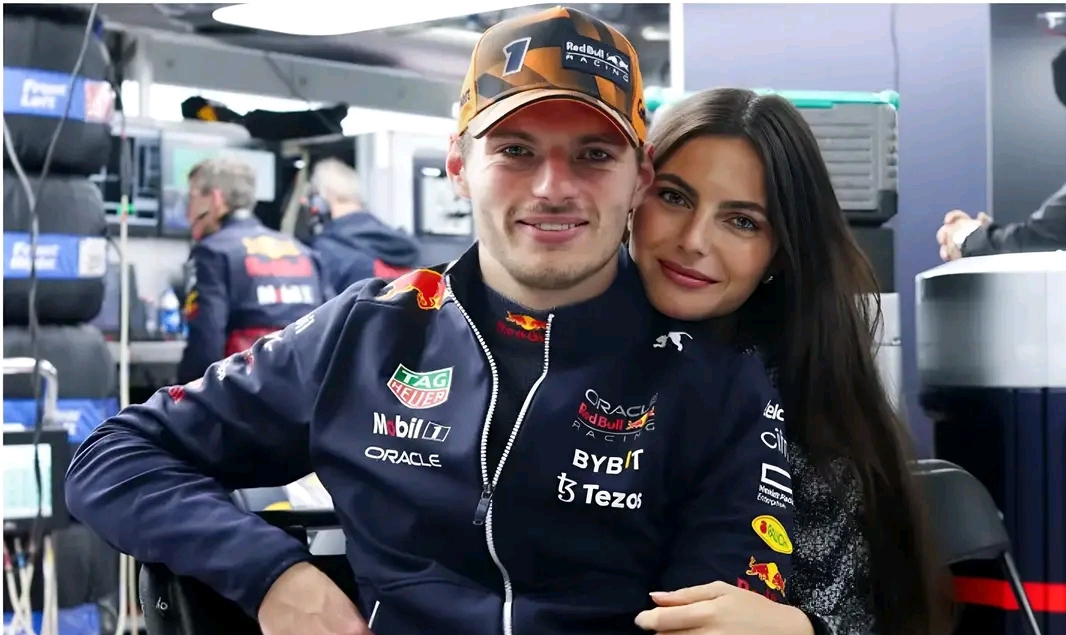
However, an emotional message shared by Kelly Piquet following the 2026 Monaco Grand Prix has sparked a fresh conversation about the unseen challenges Formula 1 drivers face away from the racetrack.
While fans often focus on lap times, rivalries, and championship standings, Piquet’s comments highlighted a side of Verstappen that rarely makes headlines.
KELLY PIQUET OPENS UP ABOUT LIFE BEHIND THE SPOTLIGHT
According to reports circulating after the Monaco Grand Prix, Kelly Piquet spoke candidly about the pressure Verstappen experiences beyond race weekends.
Her message suggested that the toughest battles facing the reigning world champion are not necessarily the ones fought against rival drivers.
Instead, she emphasized the emotional and personal pressures that come with living under constant public scrutiny.
For years, Verstappen has carried the expectations of millions of fans, the demands of a top Formula 1 team, and the responsibility of remaining at the top of one of the world’s most competitive sports.
While race victories and championship trophies are visible to everyone, the sacrifices required to achieve that success often remain hidden.
WHY FORMULA 1 DRIVERS FACE UNIQUE MENTAL CHALLENGES
Formula 1 is unlike almost any other sport.
Drivers compete at speeds exceeding 300 km/h while making split-second decisions that can determine the outcome of races and championships. Every mistake is analyzed by television broadcasters, journalists, team personnel, and millions of fans on social media.
For drivers like Verstappen, the pressure becomes even greater.
As a multiple-time world champion, every performance is judged against extraordinarily high standards. A second-place finish that would be celebrated by many drivers can be viewed as disappointment when it comes to Verstappen.
The constant expectation to win creates an environment where mental resilience becomes just as important as driving skill.
THE COST OF CONSTANT SCRUTINY
Modern Formula 1 stars live in a world where every comment, gesture, and decision can become a headline within minutes.
Social media has brought fans closer to drivers than ever before, but it has also increased the intensity of criticism and speculation.
Verstappen has often spoken about maintaining focus amid outside noise, yet even the strongest athletes are not immune to pressure.
Kelly Piquet’s remarks serve as a reminder that Formula 1 drivers are human beings first and elite athletes second.
Behind the helmets are individuals dealing with personal responsibilities, family commitments, media obligations, and the emotional highs and lows that come with competing at the highest level.
WHAT THIS MEANS FOR RED BULL RACING
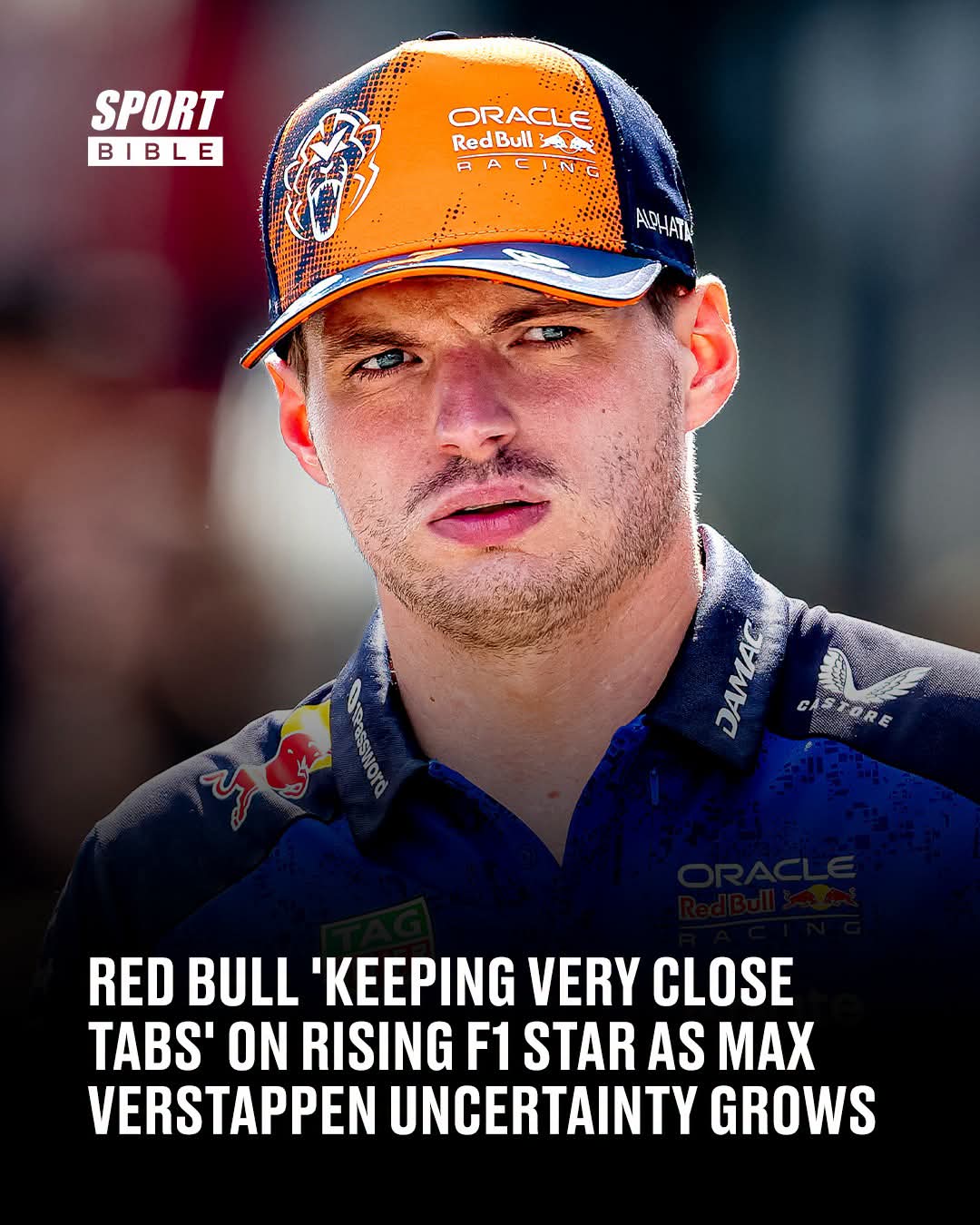
For Red Bull Racing, keeping Verstappen mentally and physically prepared remains critical to their championship ambitions.
The Dutch driver has been the cornerstone of the team’s success in recent years, consistently delivering results under immense pressure.
If Formula 1 teams have learned anything over the last decade, it is that driver well-being directly impacts performance.
Many organizations now invest heavily in sports psychologists, mental performance coaches, and support networks designed to help drivers manage stress throughout the season.
As the championship battle intensifies, maintaining a healthy environment around Verstappen could prove just as important as car development.
THE EVOLUTION OF MENTAL HEALTH DISCUSSIONS IN MOTORSPORT
A decade ago, conversations about mental health in Formula 1 were far less common.
Today, the sport has become more open about discussing the psychological demands placed on drivers.
Athletes across multiple sports have increasingly spoken about the importance of mental well-being, helping remove the stigma that once surrounded these conversations.
Kelly Piquet’s comments contribute to this growing awareness by reminding fans that even world champions face struggles that may never be visible on television broadcasts.
Success does not eliminate pressure. In many cases, it increases it.
HOW FANS HAVE REACTED
The reaction from Formula 1 supporters has been significant.
Many fans expressed sympathy for Verstappen after hearing Piquet’s perspective, acknowledging that public figures often face criticism without people fully understanding their circumstances.
Others noted that Formula 1’s intense spotlight can create unrealistic expectations for drivers, particularly those competing for championships year after year.
The discussion has shifted attention away from race results and toward the human side of elite competition.
WHAT TO WATCH FOR DURING THE REST OF THE 2026 SEASON
As the 2026 Formula 1 season continues, Verstappen remains one of the central figures in the championship fight.
His ability to manage pressure has been one of the defining characteristics of his career, but the demands of competing at the highest level never disappear.
The comments from Kelly Piquet may not change the championship standings, but they have provided valuable insight into the realities of life as a Formula 1 superstar.
If anything, the story serves as a reminder that greatness is not measured solely by trophies and victories.
It is also measured by the ability to handle pressure, overcome adversity, and continue performing when expectations are at their highest.
FINAL THOUGHTS
Kelly Piquet’s emotional remarks have resonated throughout the Formula 1 community because they reveal a truth often forgotten in professional sports.
Fans see the celebrations, podium finishes, and championship trophies. They rarely see the sacrifices, emotional strain, and personal challenges that accompany success.
For Max Verstappen, the road to continued Formula 1 greatness involves more than simply being the fastest driver on the grid. It also requires navigating the immense pressures that come with being one of the most recognizable athletes in the world.
As the 2026 season progresses, this reminder of the human side of Formula 1 may ultimately become one of the most meaningful stories to emerge from Monaco.