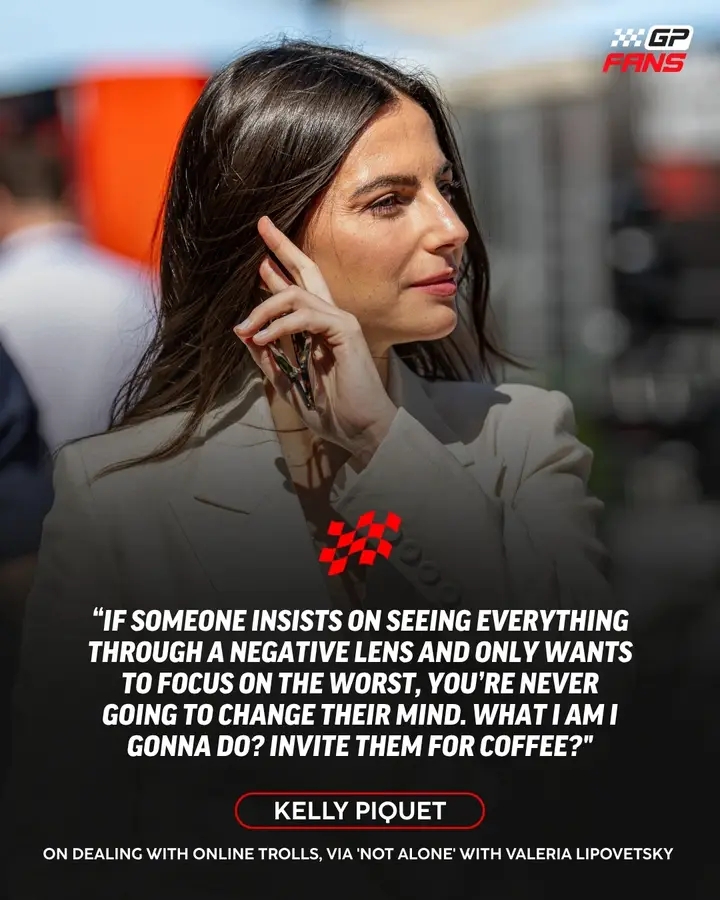
Formula 1 is no longer just about what happens on the racetrack. In today’s digital era, the spotlight extends far beyond race weekends, with drivers and their families often becoming targets of intense online criticism. That reality has once again come into focus after Kelly Piquet addressed the issue of social media trolling, highlighting the personal challenges that come with being connected to one of the sport’s biggest stars.
As the partner of reigning Formula 1 champion Max Verstappen, Piquet has built a significant online presence of her own. However, with that visibility comes unwanted attention, including negative comments and abusive messages from internet users. Her decision to speak openly about the issue has reignited conversations about the growing problem of online harassment in professional sports.
THE HUMAN SIDE OF FORMULA 1
Fans often see the glamorous side of Formula 1—luxury travel, podium celebrations, and championship battles. What is less visible is the emotional pressure experienced by the people behind the headlines.
Kelly Piquet’s comments serve as a reminder that public figures, even those who are not drivers themselves, regularly face criticism that can become deeply personal. While passionate debate is part of every major sport, targeted abuse crosses a line that many within the Formula 1 community believe should not be tolerated.
Social media has given fans unprecedented access to drivers and their families, but it has also created an environment where anonymous users can spread negativity with little accountability.
WHY THE ISSUE MATTERS
The rise of online abuse has become a serious concern across global sports. Formula 1 has seen drivers, team principals, engineers, broadcasters, and family members all subjected to hostile messages during controversial race weekends.
For those closest to the competitors, the emotional impact can be significant. Family members often have no influence over decisions made on the track, yet they can still become targets simply because of their relationships.
Piquet’s decision to address the issue shines a light on the importance of promoting respectful discussion within the sport’s passionate fan base.
MAX VERSTAPPEN’S PROFILE BRINGS EXTRA ATTENTION
As one of Formula 1’s most recognizable names, Max Verstappen naturally attracts enormous public interest. Every race result, strategic decision, and on-track incident generates widespread discussion online.
That attention inevitably extends to those around him, including Kelly Piquet. Whether Verstappen wins or loses, social media conversations often spill over into the personal lives of those closest to the Red Bull Racing driver.
While many fans offer encouragement and support, the negative side of online engagement has become increasingly difficult to ignore.
FORMULA 1 CONTINUES TO ADDRESS ONLINE ABUSE
Formula 1, the FIA, teams, and drivers have all spoken in recent years about creating a healthier online environment. Campaigns encouraging respect and responsible fan behavior have become more common as the sport’s global audience continues to grow.
The challenge is balancing passionate fan engagement with ensuring that criticism remains focused on sporting performance rather than becoming personal attacks.
As Formula 1 expands into new markets and attracts millions of new followers, maintaining that balance will remain an important priority.
WHAT THIS MEANS FOR THE SPORT
Kelly Piquet’s comments are about more than one individual. They reflect a wider issue affecting athletes, their families, and public figures across modern sport.
Formula 1 thrives on fierce rivalries and passionate supporters, but the sport is strongest when competition stays on the circuit. Respectful debate enhances the fan experience, while personal abuse risks overshadowing the achievements and excitement that make Formula 1 one of the world’s premier sporting championships.
LOOKING AHEAD
With the Formula 1 season continuing to deliver dramatic championship battles, public attention surrounding Max Verstappen and Red Bull Racing is unlikely to fade. That means Kelly Piquet and others connected to the sport will remain in the public eye.
Her decision to speak out may encourage broader conversations about digital responsibility and remind fans that everyone involved in Formula 1—whether they are drivers, team members, or family—is a real person behind the screen.
As the championship intensifies, the hope across the paddock will be that the focus remains on the incredible racing, technical innovation, and sporting excellence that define Formula 1, rather than the negativity that too often dominates social media discussions.