Ferrari president John Elkann is reportedly unhappy with the growing tension between Lewis Hamilton and Charles Leclerc following the controversial Mexican Grand Prix, but questions are emerging over whether the Italian team’s leadership is responsible for allowing the situation to escalate. With Ferrari potentially sacrificing valuable results through internal competition, the pressure is increasingly shifting towards the people responsible for establishing clear rules within the organisation.
The Mexico City Grand Prix exposed Ferrari’s ongoing difficulties managing two highly competitive drivers. What could have been a memorable one-two finish instead became another controversial weekend, with Leclerc receiving a five-second penalty after an aggressive opening-lap battle with Hamilton. The incident ultimately handed Max Verstappen victory and left Ferrari facing uncomfortable questions about its approach to managing driver rivalry.
JOHN ELKANN REPORTEDLY UNHAPPY WITH FERRARI’S INTERNAL DRAMA
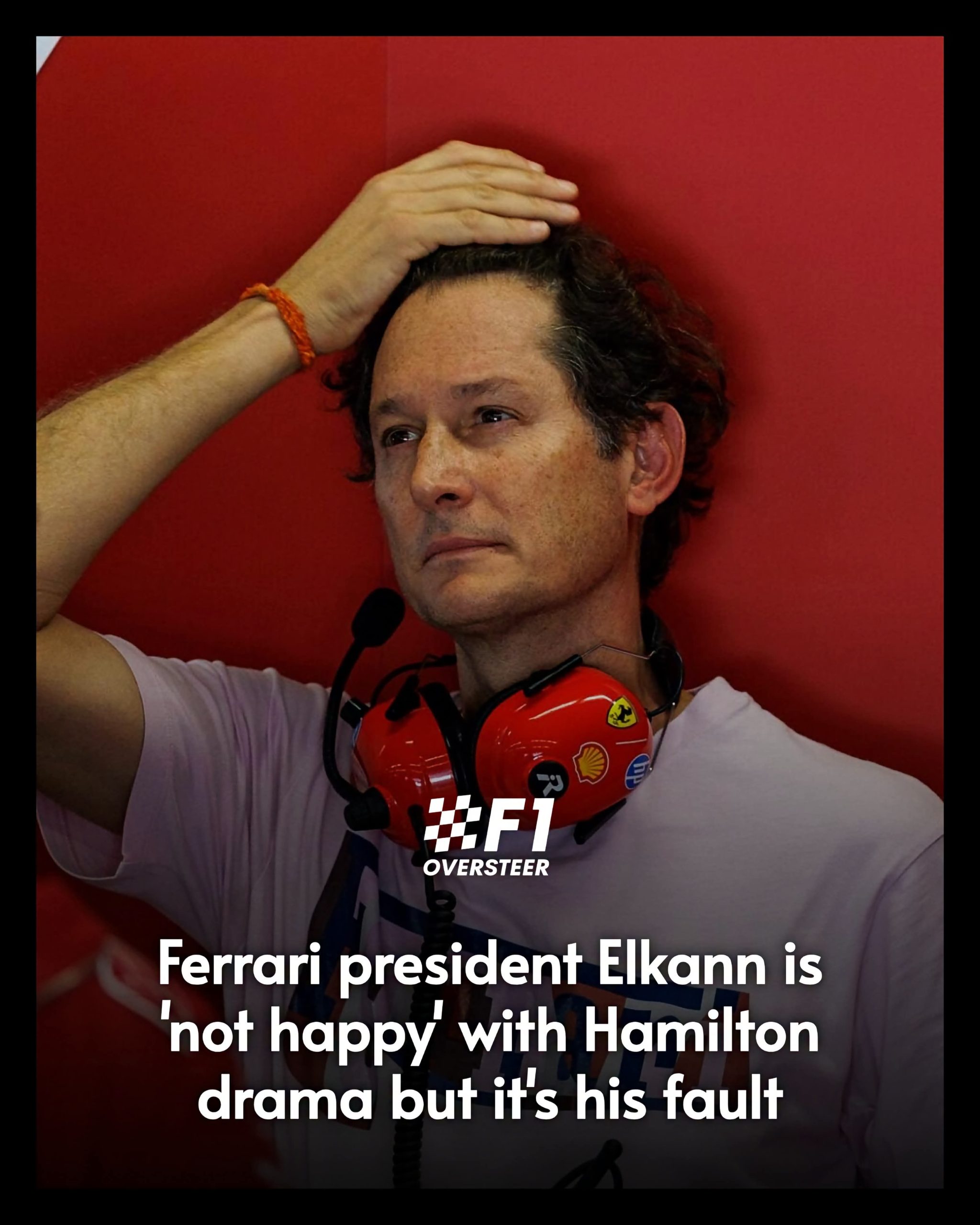
According to journalist Edd Straw, speaking via The Race, there are rumours within the paddock that Elkann is not pleased with the current situation at Ferrari.
The reported frustration is understandable. Ferrari entered the Mexican Grand Prix with a realistic opportunity to secure a dominant result, yet the battle between its drivers complicated the team’s ambitions.
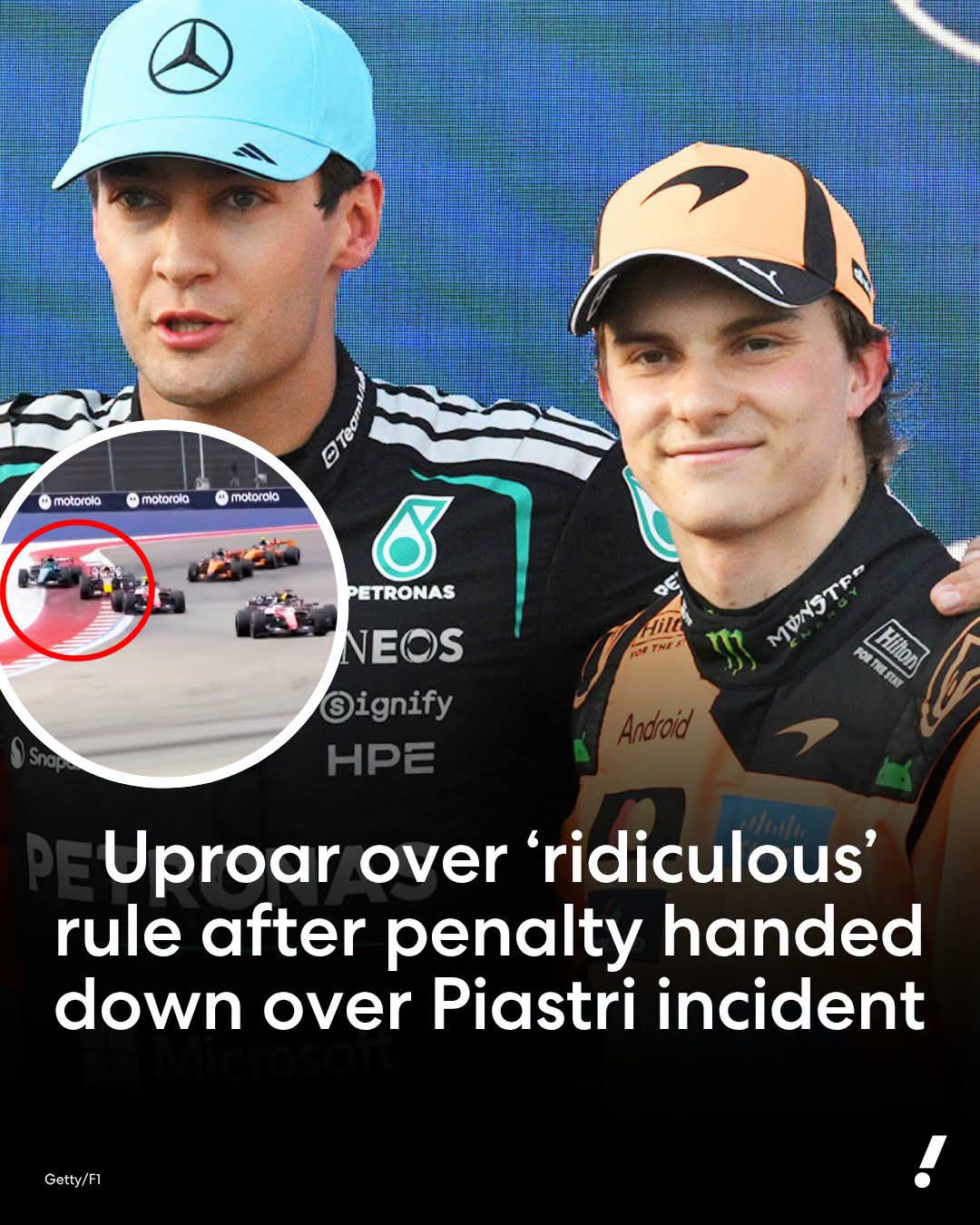
Leclerc attempted to overtake Hamilton during the opening lap, with both drivers running wide at Turn Four. The Monegasque ultimately retained the position before receiving a five-second penalty, which significantly affected the final outcome.
For a team with Ferrari’s history and expectations, losing a potential one-two finish because of an internal battle represents a particularly painful setback.
However, the criticism surrounding Elkann goes beyond his reported reaction to Mexico. The bigger question is whether Ferrari’s leadership has established a sufficiently clear framework for Hamilton and Leclerc to compete against one another without jeopardising the team’s objectives.
WHY FERRARI’S DRIVER RULES HAVE BECOME A MAJOR PROBLEM
One of the biggest issues surrounding Ferrari’s current situation is the apparent absence of sufficiently detailed racing guidelines between its drivers.
Hamilton has previously expressed frustration about Ferrari’s approach, arguing that the team does not have clearly defined rules governing how its drivers should race each other.
That concern became particularly relevant in Mexico, where the opening-lap confrontation demonstrated how quickly an aggressive battle could compromise Ferrari’s race.
Fred Vasseur is now considering introducing more detailed rules of engagement to prevent similar situations from happening again.
The move could prove essential because Ferrari cannot realistically expect its drivers to avoid competing aggressively when both are fighting for important positions.
The responsibility therefore falls on the team principal to establish boundaries that protect Ferrari’s competitive interests while allowing both drivers to race fairly.
Without those guidelines, another controversial incident could emerge at any moment.
HAMILTON WARNED FERRARI ABOUT THE PROBLEM BEFORE MEXICO
Perhaps the most damaging aspect of Ferrari’s current controversy is that the warning signs reportedly existed long before the Mexican Grand Prix.
Hamilton had already raised concerns about Ferrari’s approach during the Italian Grand Prix weekend at Monza, following an incident in which Leclerc pushed him onto the grass during an opening-lap battle.
The fact that similar tensions resurfaced in Mexico suggests that Ferrari may have failed to address an issue that was already affecting its drivers.
For Hamilton, the situation is particularly frustrating because he joined Ferrari with the expectation of helping the team return to championship-winning form.
Instead, he has found himself involved in a highly public disagreement with his teammate while Ferrari continues struggling to establish the internal structure necessary for consistent success.
The Mexican incident has therefore become more than a disagreement over one corner. It represents a wider question about whether Ferrari’s management is capable of preventing unnecessary conflicts between its leading drivers.
JOHN ELKANN’S PREVIOUS WARNING TO HAMILTON AND LECLERC RETURNS
Elkann previously attracted attention after telling Ferrari’s drivers to “talk less” and concentrate on delivering results.
The statement was interpreted as a direct message to Hamilton and Leclerc during a period when Ferrari was already facing criticism over its performances.
However, the current situation raises an uncomfortable question: can Ferrari’s president continue demanding silence from his drivers without addressing the management decisions contributing to the controversy?
Hamilton has been vocal about his frustrations, while Leclerc has also demonstrated that he is unwilling to surrender competitive opportunities simply because he shares a garage with a seven-time world champion.
Both drivers have legitimate ambitions, and Ferrari’s responsibility is to ensure those ambitions do not undermine the team’s overall objectives.
Elkann’s reported dissatisfaction may therefore be justified, but the criticism directed towards him highlights the importance of leadership accountability.
If Ferrari wants its drivers to behave differently, its management must first establish the conditions necessary for that behaviour.
FRED VASSEUR FACES A CRUCIAL MEETING WITH HAMILTON AND LECLERC
Ferrari team principal Fred Vasseur is now expected to bring Hamilton and Leclerc together for a face-to-face discussion in Sao Paulo.
According to journalist Jon Noble, Vasseur had spoken with both drivers individually in Mexico but had not yet managed to arrange a joint meeting before the Brazilian Grand Prix.
The circumstances surrounding the two drivers made that difficult.
Vasseur returned to Maranello, Hamilton travelled directly to Sao Paulo, while Leclerc returned to Monaco following the birth of his first child.
The Brazilian Grand Prix weekend therefore represents an important opportunity for Ferrari’s leadership to address the remaining tensions.
Vasseur must ensure that both drivers understand the expectations placed upon them while also clarifying how Ferrari intends to manage future battles on track.
The Frenchman has already acknowledged that the team’s racing guidelines need to be respected, particularly because Ferrari’s employees invest enormous effort into producing competitive machinery.
The meeting could establish a more disciplined approach to internal racing, potentially preventing another costly confrontation.
GUENTHER STEINER WARNS HAMILTON THAT FERRARI COULD TAKE ACTION
Former Haas team principal Guenther Steiner has also weighed in on Ferrari’s situation, warning Hamilton that continued drama could have serious consequences.
Steiner suggested that Vasseur could eventually take drastic action if the disagreements continue, emphasising that both drivers must respect the organisation and the work carried out by its employees.
Although Ferrari would be unlikely to make a major decision about either driver without carefully considering the consequences, Steiner’s comments underline how seriously the controversy is being viewed.
Hamilton remains one of the most accomplished drivers in Formula 1 history, while Leclerc is Ferrari’s long-term championship contender.
Removing either driver would represent an enormous decision, making it far more sensible for Ferrari to resolve the conflict through clear communication and effective management.
The challenge is ensuring that neither driver believes he is being unfairly treated when competitive opportunities arise.
FERRARI’S CHAMPIONSHIP AMBITIONS DEPEND ON ELKANN AND VASSEUR
Ferrari’s current controversy is ultimately a leadership problem as much as a driver disagreement.
The team possesses the resources, technical expertise and driver talent necessary to compete at the highest level, but those advantages can quickly become irrelevant if internal battles repeatedly damage its results.
Elkann has every reason to demand stronger performances, yet his responsibility extends beyond expressing disappointment.
Vasseur must establish a structure that allows Hamilton and Leclerc to compete aggressively while protecting Ferrari’s wider interests.
The Mexican Grand Prix demonstrated the consequences of failing to achieve that balance.
With the Brazilian Grand Prix now underway, Ferrari has an opportunity to move beyond the controversy and demonstrate that its leadership has learned from the mistakes of Mexico.
If the team successfully introduces clearer rules and improves communication between its drivers, the latest disagreement could eventually become an important turning point.
But if similar incidents continue, criticism of Ferrari’s management will become increasingly difficult to dismiss.
For Elkann, the message is clear: demanding discipline from Hamilton and Leclerc is only part of the solution. Ferrari’s leadership must also accept responsibility for creating the environment in which its drivers operate.
Until that happens, the Scuderia risks turning its own competitive advantages into another obstacle on its road back to Formula 1 glory.