Former Formula 1 world champion Jody Scheckter has suffered a major legal setback after a UK tax tribunal rejected his attempt to claim relief on substantial losses from his organic farming business at the Laverstoke Park Estate in Hampshire.
The South African, who won the 1979 Formula 1 World Championship with Ferrari, challenged HM Revenue and Customs (HMRC) after the tax authority refused to let him offset losses from his agricultural venture against other personal income and capital gains. The dispute centred on whether the business met the legal requirements for commercial trading, rather than whether Scheckter had genuinely intended to build a successful enterprise.
According to Crash.net, Scheckter invested almost £55 million of his own money into transforming Laverstoke Park into a major organic and biodynamic farming operation. Despite his substantial financial commitment, the business accumulated significant losses over consecutive accounting periods, eventually leading to the dispute with HMRC.
WHY JODY SCHECKTER LOST THE TAX DISPUTE
The case revolved around a UK tax provision known as sideways loss relief. Under certain conditions, the rules allow individuals to offset losses from a qualifying trade against other sources of income. However, businesses must satisfy specific statutory requirements, including demonstrating that their activities are conducted on a commercial basis with a genuine prospect of making a profit.
Scheckter argued that the losses generated by his farming venture should qualify for this relief. HMRC rejected the claim, leading the former champion to appeal to the First-tier Tribunal.
The tribunal accepted that Scheckter had acted with integrity and had genuine commercial ambitions. Judges did not conclude that the farming operation was simply a vehicle designed to avoid tax. Nevertheless, they determined that the business failed to satisfy the necessary legal conditions for the relief being claimed.
A key issue involved the use of a valuable asset without charge. The tribunal stated that making an asset of significant value available to another party for free was inconsistent with operating on a commercial basis. That finding proved important to the outcome of the case.
The ruling demonstrates that genuine intentions and substantial personal investment do not automatically guarantee eligibility for tax relief. A venture can be established with sincere commercial ambitions and still fail to meet the legal tests required to offset its losses against other income.
SCHECKTER INVESTED MILLIONS IN HIS ORGANIC FARMING DREAM
After retiring from Formula 1, Scheckter pursued interests beyond motorsport, eventually investing heavily in Laverstoke Park, a sprawling Hampshire estate intended to support an ambitious organic and biodynamic food business.
The operation traded through Laverstoke Park Produce LLP and sought to establish itself as a significant name in specialist food production. The project represented a substantial commitment for the former racing driver, who directed a large amount of personal wealth into developing the estate and its agricultural activities.
However, building a successful farming business can be financially demanding. Land, equipment, staffing, production, distribution and the development of a recognised consumer brand can all create considerable costs before a venture becomes consistently profitable.
For Scheckter, the accumulation of losses brought the tax treatment of the business under scrutiny. Although the tribunal recognised his genuine intentions, the financial and operational arrangements did not satisfy the statutory requirements for the relief he sought.
The case highlights the risks wealthy individuals can face when investing personal fortunes in ambitious businesses outside their original areas of expertise. Even a project backed by considerable resources can encounter difficulties that extend beyond its day-to-day operations.
WHAT HAPPENS TO LAVERSTOKE PARK ESTATE?
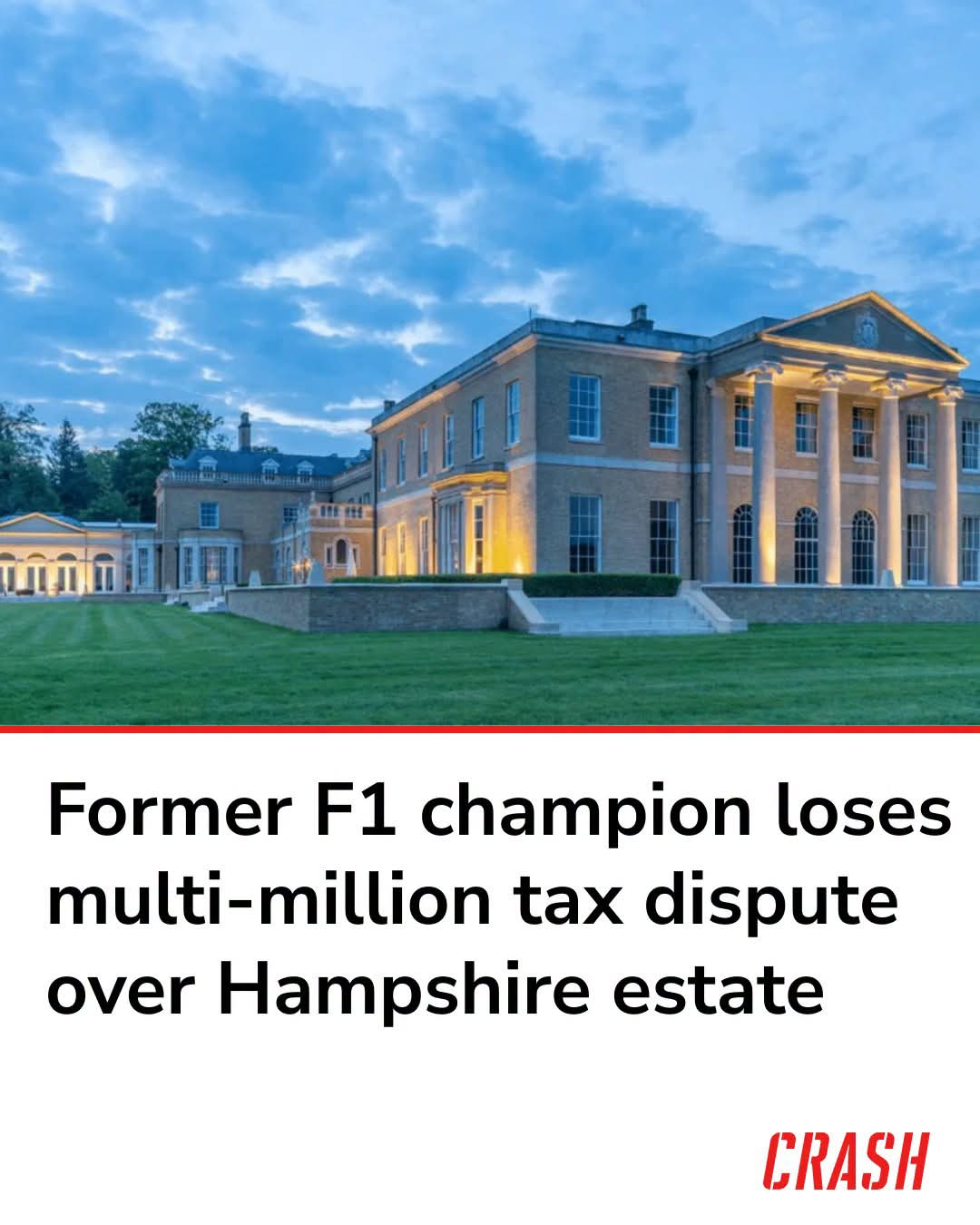
The legal defeat comes as questions remain over the future of Scheckter’s Hampshire holdings. Laverstoke Park Estate includes a Palladian mansion, extensive farmland and specialist sporting facilities. The property was previously placed on the market for £58 million, according to Crash.net.
The tribunal’s decision concerns the disputed tax relief and upholds HMRC’s original position. It does not, by itself, establish what will happen to the entire estate or mean that every aspect of Scheckter’s wider business activities has ended.
Nevertheless, the ruling closes a significant chapter in his challenge over the historical operating losses associated with the farming venture. The financial consequences could be substantial, given the scale of the investment and the amount of relief that was disputed.
The estate’s future will depend on decisions about its ownership, commercial use and any potential sale. Its previous asking price illustrates the scale of the property, although an asking price should not be mistaken for a confirmed sale value.
FROM FORMULA 1 GLORY TO A COSTLY BUSINESS BATTLE
Scheckter remains an important figure in Formula 1 history. He secured the 1979 drivers’ championship with Ferrari, becoming the team’s last world champion before Kimi Räikkönen won the title in 2007.
His racing career placed him among the sport’s elite, but his experience at Laverstoke Park illustrates how challenging life after professional motorsport can become when a former athlete pursues a complex business venture.
The tribunal’s decision is also a reminder that tax authorities assess claims according to legislation and evidence, not simply the amount of money invested or the personal reputation of the individual involved.
For Scheckter, the immediate outcome is a legal defeat in a dispute involving substantial farming losses and the tax treatment of his investment. His intentions were accepted as genuine, but the tribunal concluded that the business did not meet the required conditions for sideways loss relief.
Ultimately, the case underlines a difficult distinction: a genuine business ambition does not automatically qualify a venture for tax relief when its operating arrangements fail to meet the law’s commercial requirements.