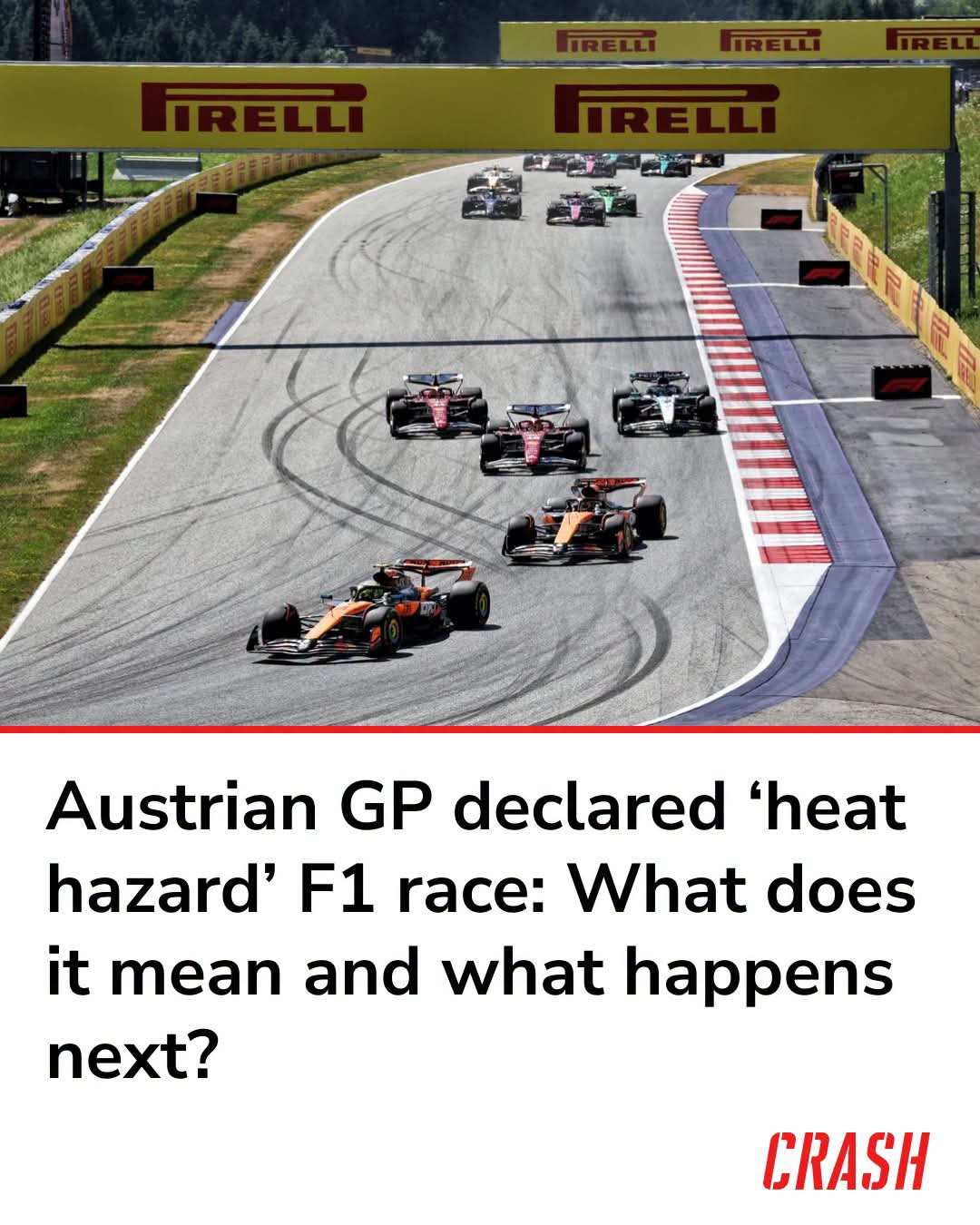
Formula 1 teams are facing an unusual challenge ahead of the Austrian Grand Prix after the FIA officially designated the event as a “heat hazard” race. With temperatures expected to soar well above 31°C at the Red Bull Ring and track temperatures potentially exceeding 50°C, drivers, engineers, and strategists are preparing for a weekend that could test physical endurance as much as outright speed.
While Austria is known for its breathtaking scenery and fast-paced racing, this year’s event may be remembered for another reason entirely: the extreme heat that could influence everything from driver performance to tire degradation and race strategy.
The decision marks another significant moment in Formula 1’s evolving approach to driver safety under increasingly demanding weather conditions.
WHY THE FIA DECLARED A HEAT HAZARD
The FIA introduced the heat hazard protocol following concerns raised by several drivers after the notoriously brutal 2023 Qatar Grand Prix. During that race, cockpit temperatures reached dangerous levels, leaving multiple drivers physically exhausted by the checkered flag.
Some competitors required medical treatment, while others struggled to complete the race distance. The situation forced Formula 1 and the FIA to develop additional safety measures aimed at protecting drivers from extreme heat exposure.
Under current regulations, a heat hazard can be declared whenever weather forecasts indicate temperatures are likely to exceed 31°C during a race weekend. With Austria expected to experience temperatures in the mid-30s and intense sunshine throughout the event, the FIA concluded that intervention was necessary.
This makes Austria only the third Formula 1 race weekend to receive the designation after Singapore and the United States Grand Prix.
WHAT CHANGES UNDER A HEAT HAZARD DECLARATION?
The most visible change involves the mandatory installation of Formula 1’s driver cooling system.
Although drivers are not required to wear the cooling vest itself, every car must be fitted with the supporting hardware. This ensures teams are prepared should drivers choose to utilize the system during the race weekend.
The cooling technology works by circulating chilled liquid through specially designed fireproof garments worn underneath racing overalls. The objective is straightforward: reduce core body temperature and lessen the physical strain created by prolonged exposure to extreme cockpit heat.
Because the equipment adds extra weight to the car, the FIA allows an increase in the minimum weight limit to compensate.
Drivers who choose not to wear the vest must carry ballast to ensure nobody gains a competitive advantage through a lighter car.
THE PHYSICAL BATTLE INSIDE THE COCKPIT
Formula 1 drivers are often compared to elite endurance athletes, and weekends like Austria highlight why.
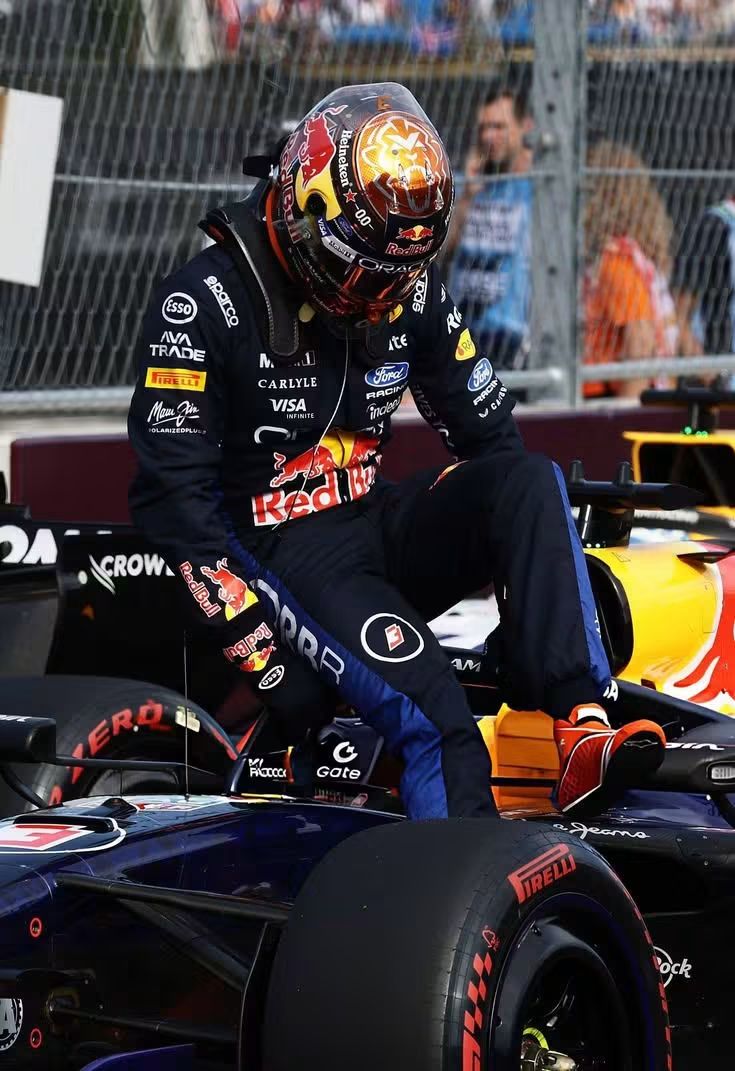
Modern F1 cars generate enormous physical forces. Drivers routinely experience high G-loads while braking, cornering, and accelerating. Add cockpit temperatures approaching 60°C and the challenge becomes even more severe.
During races in extreme heat, drivers can lose several kilograms of body weight through dehydration alone. Concentration levels become harder to maintain, reaction times can slow, and fatigue becomes a genuine concern.
The Austrian Grand Prix’s relatively short lap means drivers spend more time battling wheel-to-wheel and navigating traffic, adding another layer of intensity.
Mistakes become more likely when fatigue begins to set in, meaning the heat could play a direct role in determining race results.
WHY SOME DRIVERS STILL DISLIKE THE COOLING VESTS
Despite the obvious benefits, not every driver is fully convinced by the cooling technology.
Some competitors have praised the system for helping maintain comfort during physically demanding races. Others, however, have raised concerns about fit, comfort, and practicality inside the tight confines of an F1 cockpit.
Max Verstappen has previously voiced reservations about the system, suggesting it can sometimes feel restrictive during racing conditions.
There are also technical concerns. If the cooling medium loses effectiveness or the system encounters issues during the race, drivers may end up carrying additional equipment without receiving the intended benefits.
Even so, most within the paddock agree that the technology represents an important step forward for safety.
HOW THE HEAT COULD IMPACT TEAM STRATEGIES
The heat hazard declaration is not just a challenge for drivers. Teams face their own set of headaches.
Higher temperatures place greater stress on engines, hybrid systems, brakes, and tires. Cooling requirements increase dramatically, forcing teams to carefully balance performance and reliability.
Aerodynamic setups may need adjustment to improve airflow through critical components. Engineers must monitor engine temperatures more closely than usual. Tire management will become one of the defining factors of the weekend.
The Red Bull Ring’s combination of long straights and heavy braking zones already places significant demands on machinery. Add extreme temperatures, and reliability could become a key storyline.
Teams that successfully manage cooling without sacrificing too much performance may gain a crucial advantage.
WHICH TEAMS COULD BENEFIT THE MOST?
Mercedes enters Austria under pressure to respond after Ferrari’s resurgence in Spain. The Silver Arrows are also introducing updates designed to improve both reliability and performance.
Ferrari, meanwhile, arrives full of confidence following Lewis Hamilton’s breakthrough victory in Barcelona. If the Scuderia’s recent upgrades continue to deliver strong pace, the team could emerge as a major threat.
Red Bull faces perhaps the most pressure of all. Competing at their home circuit while dealing with ongoing questions surrounding Max Verstappen’s future, the Austrian team desperately needs a strong result.
McLaren cannot be overlooked either. The reigning champions have consistently shown strong race pace and may be particularly effective if tire management becomes the deciding factor.
WHAT THIS MEANS FOR THE CHAMPIONSHIP FIGHT
Championship battles are often shaped by unexpected factors, and weather could prove decisive this weekend.
A single reliability failure, strategic mistake, or driver error caused by fatigue can dramatically alter the points standings.
Andrea Kimi Antonelli continues to lead the championship, but rivals such as Lewis Hamilton, George Russell, and Max Verstappen remain within striking distance.
If Austria turns into a survival race rather than a straightforward sprint, opportunities could emerge for drivers who excel in managing difficult conditions.
Historically, the best champions are often those who adapt quickest when circumstances become unpredictable.
PREDICTION: A WEEKEND OF ATTRITION AND OPPORTUNITY
The Austrian Grand Prix is shaping up to be far more than a typical race weekend.
The combination of extreme temperatures, evolving championship battles, major upgrade packages, and heightened reliability concerns creates the perfect environment for surprises.
Expect tire degradation to become a major talking point. Expect teams to push cooling systems to their limits. And expect drivers to emerge from the cockpit physically exhausted after one of the most demanding races of the season.
While outright pace remains important, Austria may ultimately reward the team that best manages the heat.
In a championship where margins are already razor-thin, the weather itself could become one of the most influential competitors on the grid.