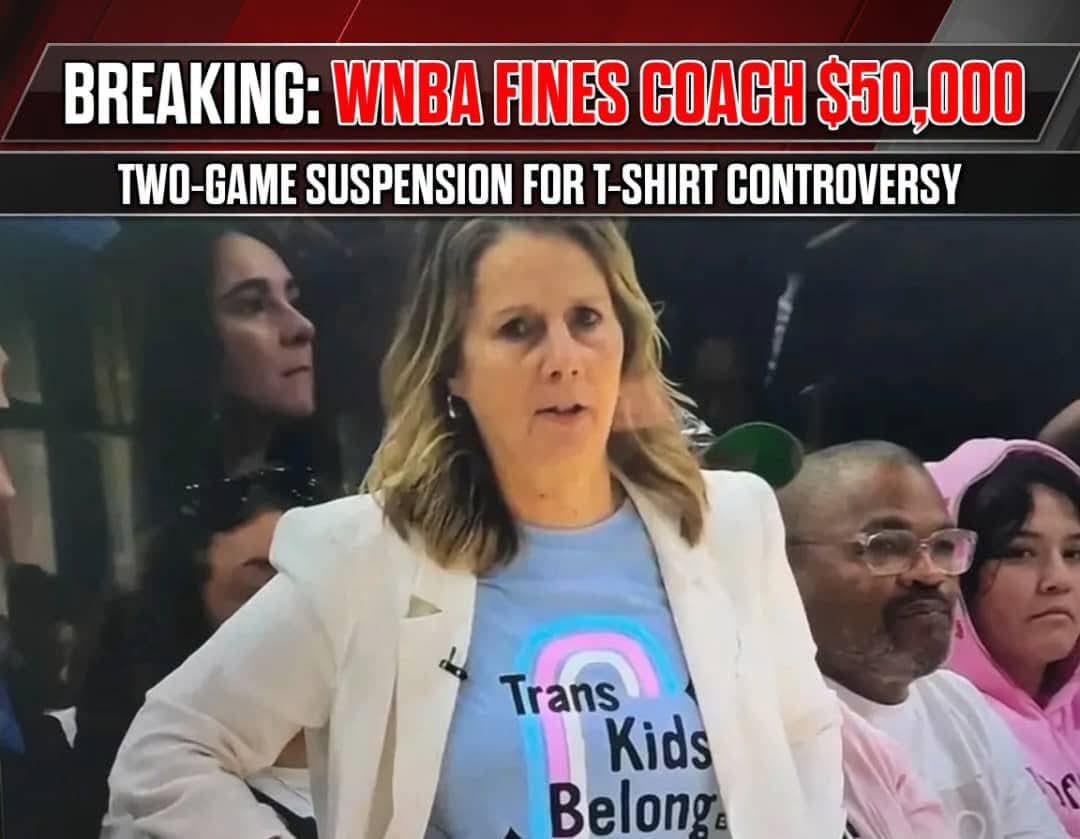
Minnesota Lynx head coach Cheryl Reeve once again found herself at the center of national attention after wearing a “Trans Kids Belong” T-shirt before her team’s matchup against the Indiana Fever. The image quickly spread across social media, fueling another wave of debate over the place of political and social messaging within professional sports.
The pregame appearance came during an already highly charged period for the WNBA, following Indiana Fever guard Sophie Cunningham’s recent comments regarding transgender athletes competing in women’s sports. With both sides of the debate drawing significant public attention, Reeve’s decision to wear the shirt became one of the league’s biggest talking points, overshadowing much of the action on the court.
SOCIAL MEDIA REACTION WAS IMMEDIATE
Photos of Reeve courtside wearing the shirt circulated rapidly across multiple platforms, generating thousands of comments within hours. Supporters praised the veteran coach for publicly expressing her beliefs, calling it an example of leadership and advocacy. Critics, however, argued that official league events should remain focused on basketball rather than broader political or cultural issues.
The differing reactions reflected the increasingly polarized environment surrounding discussions of transgender participation in sports, with fans, media personalities, and former athletes weighing in from both perspectives.
THE WNBA CONTINUES TO NAVIGATE COMPLEX ISSUES
The league has spent recent seasons balancing player and coach expression with its commitment to keeping the spotlight on the game. As the WNBA continues experiencing record television ratings, sold-out arenas, and unprecedented media attention, virtually every high-profile moment now attracts national discussion.
League officials have frequently emphasized respect for diverse viewpoints while also seeking to ensure that basketball remains the primary focus during the season. Situations involving public advocacy continue to test that balance as conversations extend well beyond the court.
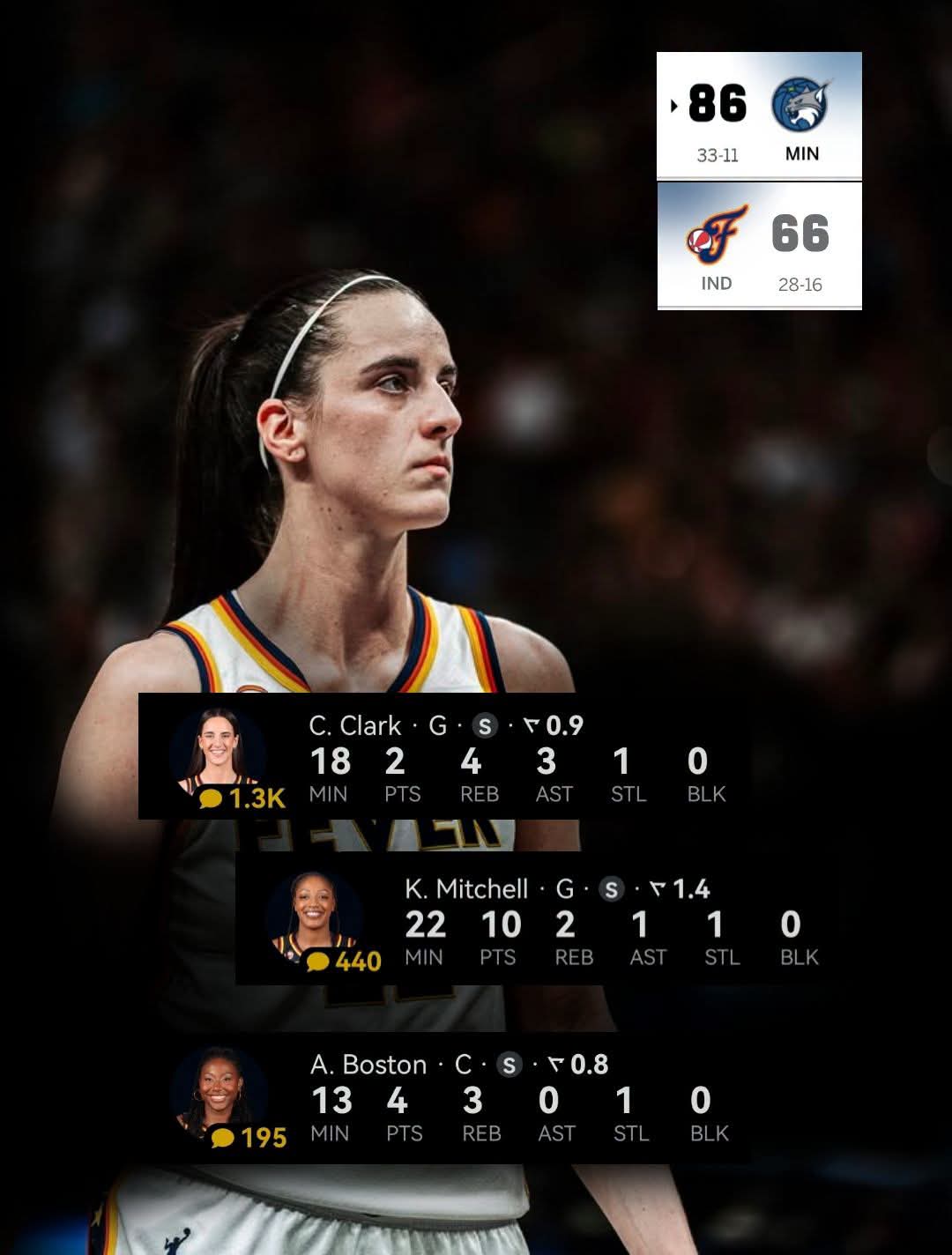
THE FEVER-LYNX MATCHUP CARRIED EXTRA ATTENTION
Sunday’s contest already featured heightened emotions before the opening tip. Cunningham’s recent public comments had generated widespread discussion across sports media, with demonstrations both supporting and opposing her position taking place around recent Fever games.
Against that backdrop, Reeve’s shirt became another major storyline surrounding the matchup, ensuring that discussions after the game extended far beyond the final score.
THE CONVERSATION IS UNLIKELY TO END SOON
As women’s basketball continues reaching new audiences, debates surrounding athlete and coach expression are becoming increasingly common. Every public statement now receives greater scrutiny than ever before, reflecting both the league’s rapid growth and its expanding cultural influence.
Whether future discussions focus on new policies, individual expression, or maintaining neutrality, one thing remains clear: the WNBA’s growing popularity means that moments like these will continue generating conversations that stretch far beyond basketball itself.