The WNBA has once again found itself at the center of intense scrutiny following the physical contest between the Indiana Fever and the Phoenix Mercury that resulted in Caitlin Clark leaving the game with an injury. While league officials later disciplined Mercury veteran Alyssa Thomas for one of the incidents during the game, the fallout has extended far beyond the final score, sparking widespread discussion about officiating standards, player protection, and how the league handles controversial on-court contact.
Social media has amplified the controversy even further, with numerous viral posts making dramatic claims about the events surrounding the game. However, separating verified facts from speculation has become increasingly important as fans continue to debate what actually happened.
THE INCIDENT THAT SPARKED THE CONTROVERSY
During the Fever’s matchup against the Mercury, Clark was involved in several physical sequences that immediately drew attention from fans and analysts.
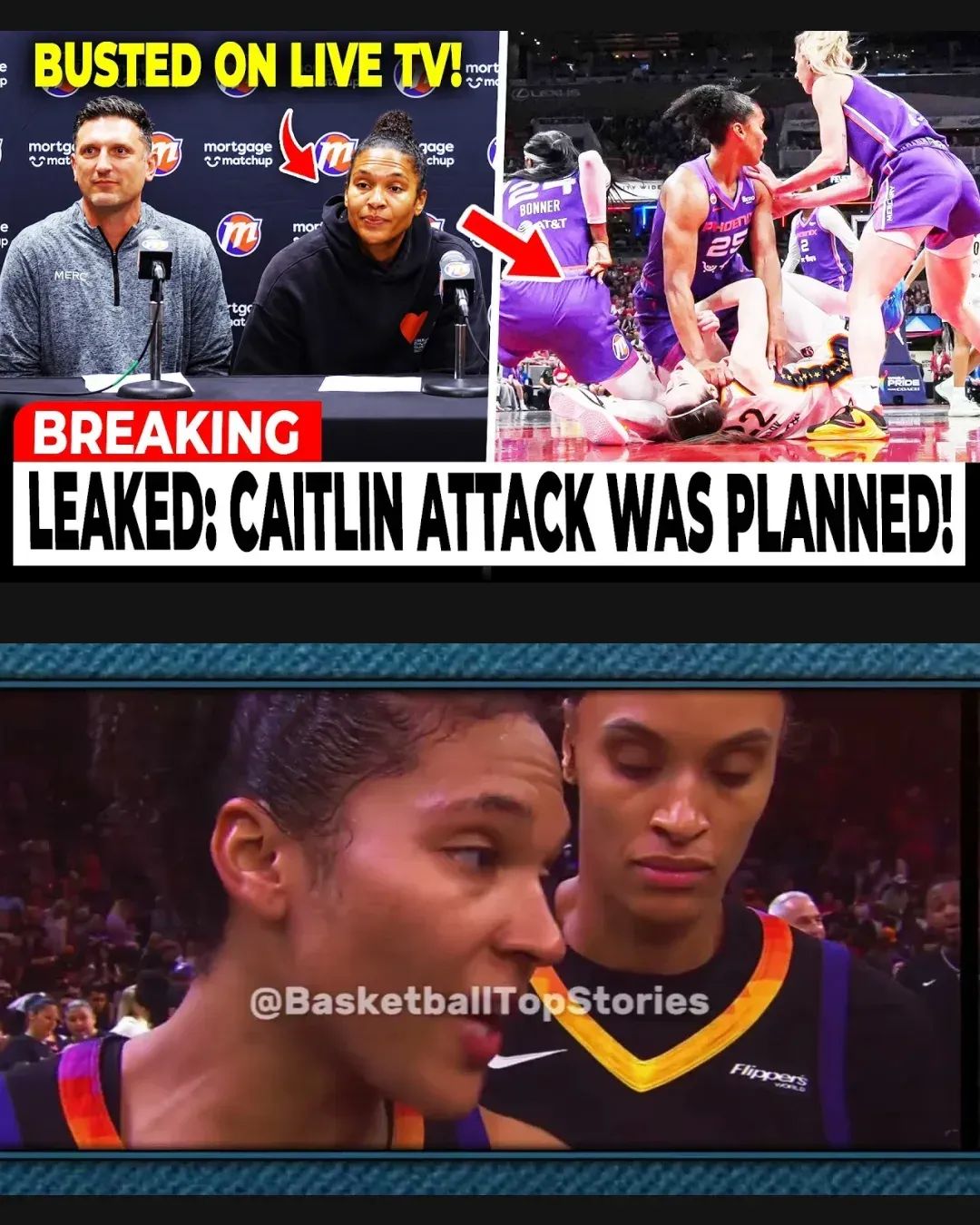
One of those incidents involved Alyssa Thomas making contact with Clark during a scramble. Officials did not assess a flagrant foul during live play, allowing the game to continue.
After reviewing the footage, however, the WNBA upgraded the play to a Flagrant 2 foul and suspended Thomas for one game, stating that the discipline was issued for reckless contact involving Clark’s throat area.
Later in the contest, Clark also appeared to suffer discomfort following another play as she landed awkwardly after a perimeter shot attempt. She eventually exited the game and did not return.
Although the Fever remained competitive throughout the contest, Clark’s departure significantly impacted Indiana’s offense as the team narrowly lost by two points.
VIRAL CLAIMS GO FAR BEYOND THE VERIFIED FACTS
In the days following the game, numerous videos and social media posts claimed the physical contact against Clark had been deliberately planned before tip-off.
Those claims have largely centered around comments made by Mercury coach Nate Tibbetts and Alyssa Thomas after a previous meeting between the two teams.
While both discussed bringing physical intensity into the rematch, there is no verified evidence that the Mercury or any individual player planned to intentionally injure Clark.
Competitive teams routinely speak about matching physicality, responding to previous games, and playing aggressively. Interpreting those comments as proof of a coordinated attempt to injure an opponent goes beyond what has been publicly established.
As of now, neither the WNBA nor any official investigation has concluded that Clark was deliberately targeted as part of a premeditated plan.
WHY THE LEAGUE’S DISCIPLINE HAS DIVIDED FANS
Even without accepting the more sensational claims circulating online, many fans remain dissatisfied with the league’s response.
The biggest criticism centers on timing.
The foul was not upgraded until after the game, meaning Indiana received no immediate benefit from the review while Clark had already left the contest.
Others believe a one-game suspension sends too weak a message given the physical nature of the incident and the attention surrounding Clark.
Supporters of the league’s decision argue that the punishment follows existing disciplinary guidelines and that consistency is essential regardless of the players involved.
That disagreement has fueled ongoing debates about whether current WNBA rules adequately deter dangerous contact.
OFFICIATING REMAINS UNDER THE MICROSCOPE
Perhaps the strongest criticism has been directed toward the officiating crew.
Numerous analysts questioned why the contact involving Thomas was not reviewed during the game despite appearing significant on replay.
Indiana head coach Stephanie White publicly criticized several officiating decisions afterward, describing aspects of the game as unacceptable while expressing frustration over what she viewed as missed calls.
The controversy has renewed calls for expanded replay procedures and more consistent enforcement of flagrant foul standards.
As the league continues attracting record television audiences and unprecedented media attention, officiating accuracy is becoming an increasingly important topic.
CAITLIN CLARK’S IMPACT CHANGES EVERY CONVERSATION
Few players in league history generate as much discussion as Clark.
Every hard foul involving the Fever star quickly becomes national news, creating pressure on officials, opposing teams, and the league itself.
Some observers believe Clark receives unusually rough treatment because of her enormous profile.
Others argue that heightened media attention simply means incidents involving Clark receive more coverage than similar plays involving other players.
Regardless of where opinions fall, there is little doubt that Clark’s presence has transformed the spotlight under which every officiating decision is made.
WHAT THIS MEANS FOR THE WNBA MOVING FORWARD
The league now faces a delicate balancing act.
Physical basketball has always been part of the WNBA’s identity, but protecting star players remains essential for both competitive integrity and continued growth.
The controversy surrounding Clark’s injury is likely to encourage further discussions about replay reviews, player discipline, and officiating consistency throughout the remainder of the season.
League executives will undoubtedly want to avoid similar controversies overshadowing games, especially as television ratings and public interest continue reaching new heights.
THE BIGGER PICTURE
The Fever-Mercury matchup should serve as a reminder that viral narratives often move faster than verified facts.
While the WNBA determined that Alyssa Thomas deserved a one-game suspension after reviewing the play, there is currently no credible evidence supporting claims that the incident was part of a coordinated plan to injure Caitlin Clark.
What remains beyond dispute is that Clark’s injury, the missed in-game calls, and the league’s subsequent disciplinary decision have reignited important conversations about player safety, officiating accountability, and how the WNBA can continue evolving while preserving the physical competitiveness that has long defined the sport.