Caitlin Clark has once again become the center of the WNBA conversation—but this time, it is not because of a record-breaking performance or another highlight-reel shot. Instead, debate has erupted over the voting process for the 2026 WNBA All-Star Game, where Clark secured a starting spot thanks to overwhelming support from fans and strong backing from the media, despite reportedly receiving significantly less support from fellow players.
The outcome has sparked widespread discussion across the basketball world. While Clark’s place among the league’s biggest stars was never seriously in doubt, the gap between public opinion and peer voting has left many wondering whether the rookie sensation continues to face skepticism from within the league. Whether those votes reflected basketball opinions, personal preferences, or something more complex, the controversy has once again placed the Fever guard under an intense spotlight.
CLARK’S NUMBERS MAKE A STRONG CASE
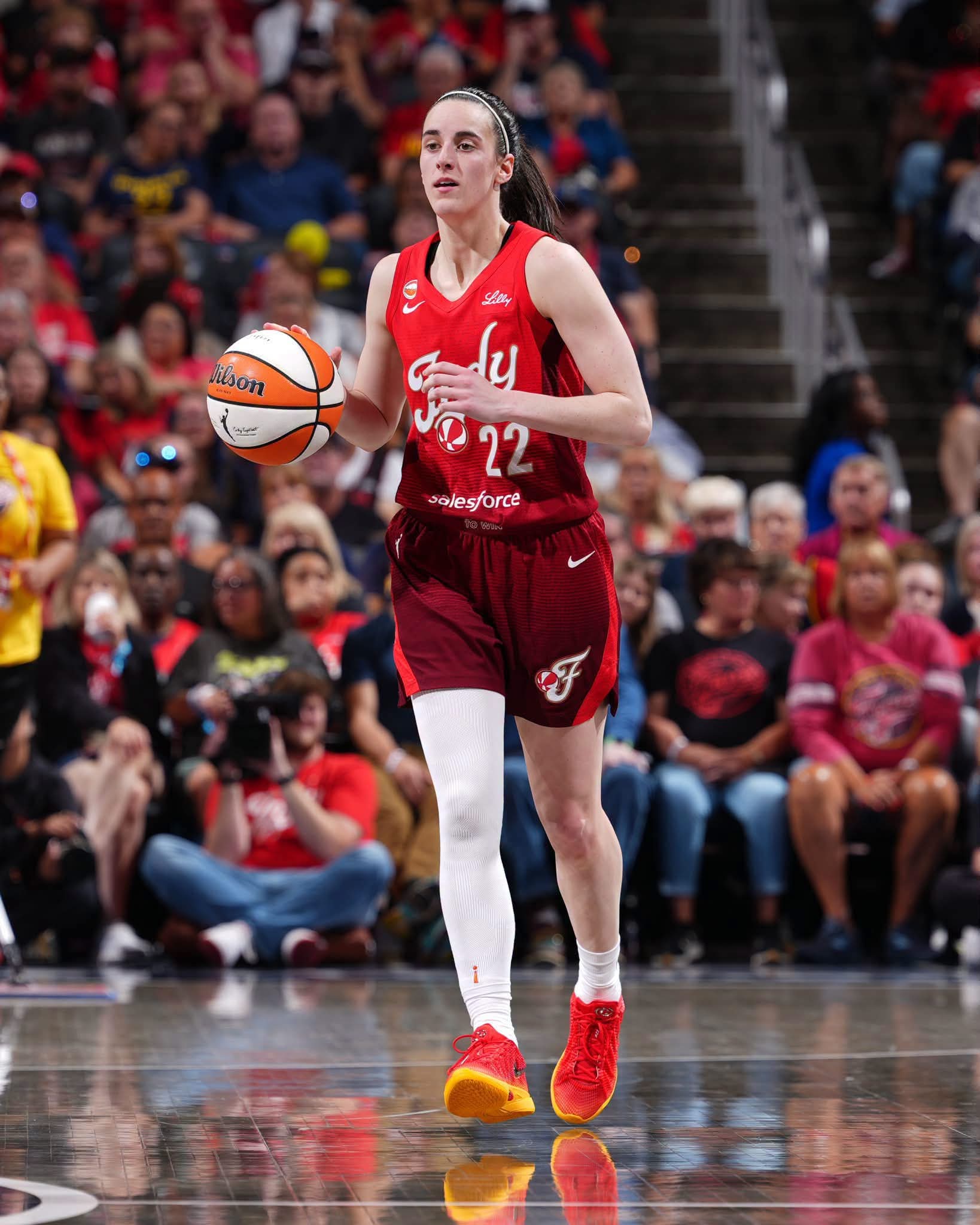
Statistically, Clark has built one of the strongest resumes among WNBA guards this season. Averaging more than 21 points and over eight assists per game, she has established herself as one of the league’s premier playmakers while continuing to stretch defenses with her long-range shooting and court vision.
Beyond the numbers, Clark’s influence reaches far beyond the box score. Indiana Fever games consistently attract some of the league’s largest television audiences, ticket demand remains exceptionally high whenever she plays, and her presence has helped bring unprecedented attention to women’s basketball.
That combination of elite production and commercial impact makes the player voting results particularly surprising to many observers.
THE PLAYER VOTE HAS CREATED NEW QUESTIONS
Player voting has always been one of the more fascinating aspects of All-Star selection because it reflects how athletes evaluate one another. Unlike fan voting, which is often influenced by popularity, peer voting is generally expected to focus on on-court performance.
However, basketball opinions naturally differ.
Some players may value defensive contributions more heavily. Others may prioritize veteran experience or leadership. There is also the possibility that certain voters simply view Clark differently than the public does.
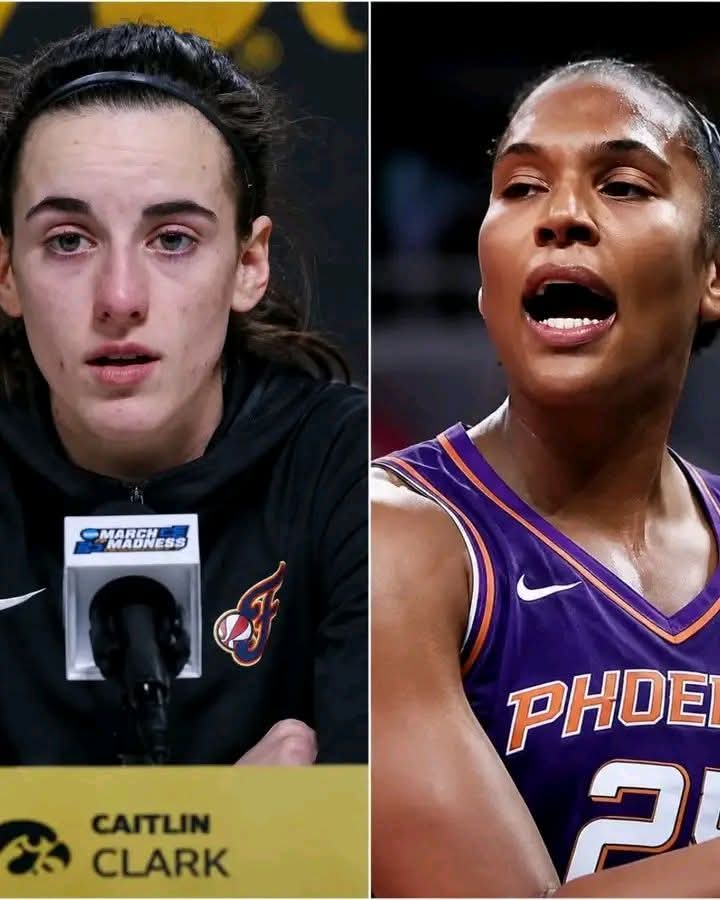
Even so, the perception created by the results has fueled debate because Clark’s overall body of work places her among the league’s top guards. The large discrepancy between fan support and player rankings has inevitably led to speculation about whether lingering rivalries or differing opinions continue to shape how she is viewed inside the league.
OFFICIATING HAS KEPT THE DEBATE ALIVE
The All-Star voting discussion has not developed in isolation. It follows several weeks of intense conversations surrounding the physical treatment Clark has received on the court.
Recent games have featured controversial incidents involving hard contact, missed fouls, and disciplinary action against opposing players. Those moments have prompted criticism from Indiana Fever coaches and fans alike, with many arguing that officiating has not consistently protected one of the league’s most recognizable stars.
Importantly, the debate is not necessarily about giving Clark preferential treatment. Rather, many observers are calling for consistency. Dangerous contact should be penalized regardless of the player involved, especially in a league that is enjoying unprecedented visibility and growth.
Every controversial no-call involving Clark quickly becomes national news, placing additional pressure on officials and league leadership.
THE WNBA’S RAPID GROWTH BRINGS NEW CHALLENGES
Clark’s arrival has coincided with one of the fastest periods of growth in WNBA history. Television ratings continue to climb, attendance has surged across multiple markets, corporate sponsorships are expanding, and media attention has reached levels the league has pursued for decades.
With that success comes greater scrutiny.
Every controversial officiating decision, every player interaction, and every public comment is now analyzed across social media and national sports platforms. Situations that might once have remained relatively minor now generate days of discussion.
That level of attention represents progress, but it also demands greater consistency from the league in how it manages both competition and public perception.
PERCEPTION MAY MATTER AS MUCH AS REALITY
It would be inaccurate to conclude that player voting alone proves widespread hostility toward Clark. Professional athletes evaluate talent through their own competitive lens, and voting results rarely tell the full story.
Still, perception carries enormous weight.
When the league’s fastest-rising star appears to receive less recognition from peers while simultaneously becoming the center of repeated officiating debates, fans naturally begin connecting those storylines. Whether those conclusions are entirely fair or not, they influence public confidence in the league.
For the WNBA, maintaining credibility means ensuring that excellence is recognized consistently while officiating standards remain transparent and fair for every player.
WHAT COMES NEXT FOR CLARK AND THE FEVER?
For Clark herself, the controversy is unlikely to change her approach. Throughout her basketball career, she has repeatedly responded to criticism with production rather than public confrontation.
The Indiana Fever remain focused on building a championship contender around their franchise cornerstone, and Clark’s continued development as both a scorer and facilitator keeps the team firmly in playoff contention.
Meanwhile, the WNBA has an opportunity to turn these conversations into a positive by reinforcing confidence in its officiating, celebrating the league’s growing collection of stars, and ensuring that basketball remains the primary focus.
One thing is already clear: Caitlin Clark’s place among the WNBA’s elite is no longer determined solely by awards or votes. Her impact on the court, her influence on the league’s popularity, and her role in shaping the future of women’s basketball have already made her one of the sport’s defining figures. How the league manages that spotlight could become just as important as the games themselves.