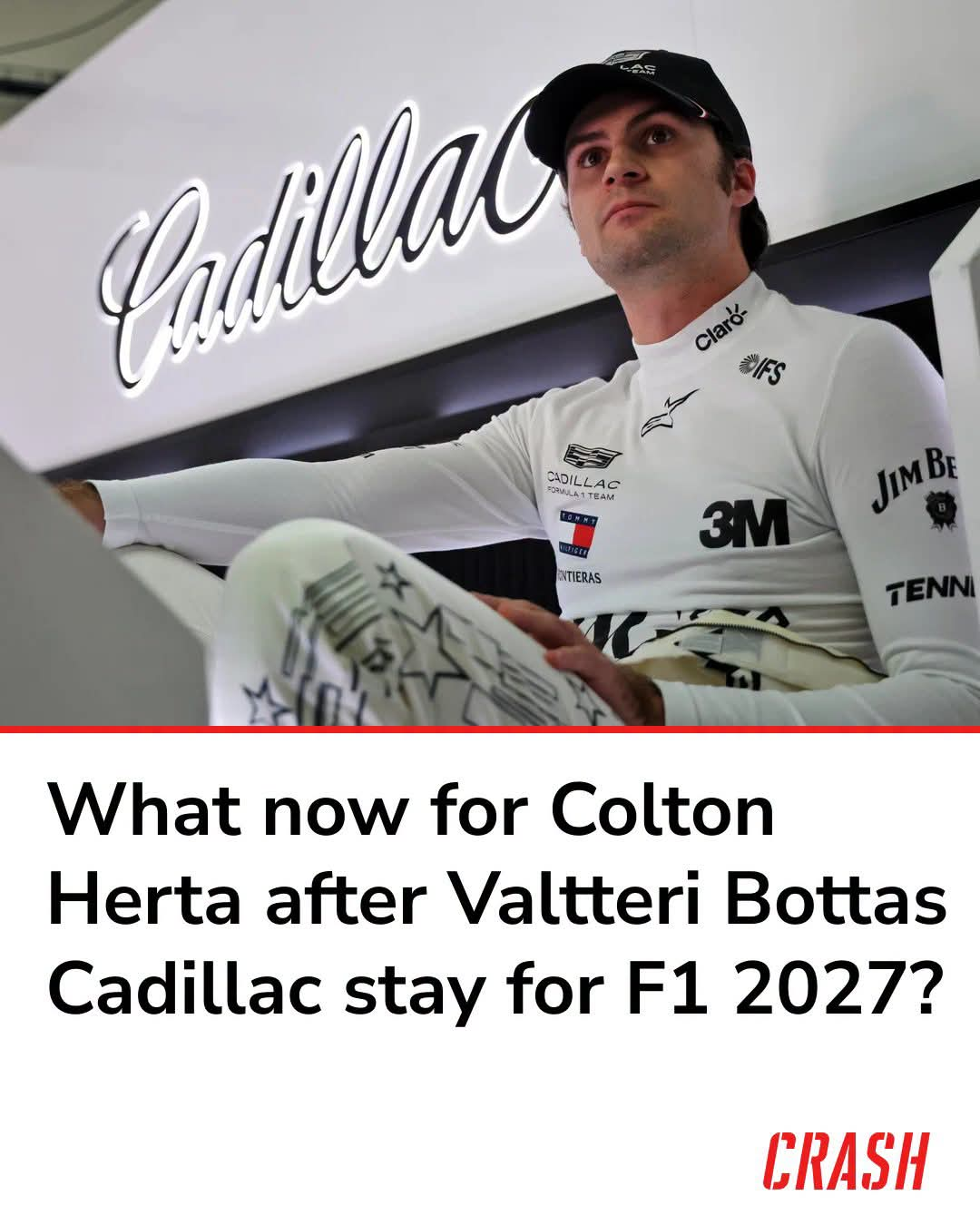
Cadillac Formula 1 has drawn a clear line in the sand. Valtteri Bottas will remain alongside Sergio Perez for the 2027 season, shutting the door on an immediate race seat for Colton Herta just as the Californian finally secured his FIA Super Licence. The decision prioritizes experience and continuity for a team still finding its feet after a difficult debut year. For Herta, it creates a pivotal crossroads. For Cadillac, it reveals a pragmatic approach to building a competitive American presence in Formula 1 rather than rushing a feel-good story.
WHY CADILLAC CHOSE STABILITY OVER THE HOME FAVORITE
Cadillac entered Formula 1 in 2026 with high expectations and the unique advantage of General Motors backing plus TWG Motorsports ownership. The team finished its first season without points and near the bottom of the constructors’ standings. In that context, the value of two experienced drivers who know how to develop a car, deliver consistent feedback, and manage a long season became decisive.
Bottas brought more than a decade of Formula 1 experience, including ten Grand Prix wins. Team CEO Dan Towriss highlighted the Finn’s experience, perspective, and commitment as key strengths. Continuity, Towriss noted, provides a stronger platform while the team develops its cars and organization across its facilities. Promoting Herta, despite the narrative appeal of an American driver in an American team, was judged too risky at this stage of the project.
Herta had done everything asked of him on paper. He left a successful IndyCar career, contested a challenging Formula 2 season, and completed multiple FP1 sessions that ultimately delivered the Super Licence points. Cadillac team principal Marcin Budkowski confirmed the American is now “race-ready” in terms of mileage and licensing. Yet readiness for a practice session or test is different from readiness to extract maximum performance from a still-developing midfield or backmarker car week after week.
THE IMPACT ON COLTON HERTA’S CAREER PATH
Herta is 26 and already a proven race winner in IndyCar. Missing out on a 2027 race seat is disappointing, as Towriss openly acknowledged. The team has offered him a reserve role and left the door open for 2028. Conversations continue with Herta and his management about both next year and the longer term.
Reports suggest Herta has so far been reluctant to accept a pure reserve position. That stance is understandable. After investing a year in Formula 2 and the Super Licence process, sitting on the sidelines while racing opportunities exist elsewhere carries a cost. Options in IndyCar, a possible Indy 500 appearance, or other series remain on the table. Cadillac has been clear that the ambition to field an American race driver still exists, but only when the timing, driver, and team readiness align.
For Herta, the next 12 months will define whether this detour strengthens or stalls his Formula 1 ambitions. Remaining connected to Cadillac keeps him in the conversation and allows further simulator and test mileage. Stepping away entirely risks losing the inside track with the only team that has publicly prioritized developing him.
WHAT THIS MEANS FOR CADILLAC AND AMERICAN INTEREST IN FORMULA 1
Cadillac’s choice sends a message about how the team intends to grow. New entrants often face pressure to deliver instant marketing wins. Putting an American in the car for 2027 would have generated headlines and fan excitement, especially around the Las Vegas, Miami, and Austin weekends. Instead, the team chose the harder, more methodical route: stabilize the driver lineup, harvest data, and improve the car before introducing a less-experienced driver.
This approach carries both benefits and risks. Bottas and Perez give engineers reliable benchmarks. The team can focus development resources without the noise that often accompanies a high-profile rookie. At the same time, American fans and sponsors who want to see a homegrown talent in the Cadillac will need patience. The longer an American seat remains unfilled, the more questions will arise about whether the stated ambition is genuine or aspirational.
Budkowski’s comments reinforce the long-term view. The team wants an American driver “at some point,” but only under the right conditions. That measured language suggests Cadillac is treating the project as a multi-year build rather than a short-term publicity exercise.
PREDICTIONS AND THE ROAD AHEAD
Looking forward, several paths remain open. Herta could accept the reserve role, continue building experience with Cadillac, and position himself strongly for 2028 when Bottas’s future may be less secure. He could return to IndyCar with a competitive program and keep Super Licence points ticking while staying visible. Or he could explore other international options that keep him sharp and relevant.
For Cadillac, the 2027 season becomes a critical proving ground. With the same experienced lineup, the team must show measurable progress in car performance and reliability. Success would create the platform needed to integrate a driver like Herta effectively. Stagnation would increase pressure to make changes, potentially accelerating Herta’s timeline or forcing the team to look elsewhere.
The broader American motorsport ecosystem is watching closely. Herta’s journey from IndyCar star to Formula 1 hopeful represents one of the more realistic pathways currently available. How Cadillac and Herta navigate the next year will influence whether other top American talents view Formula 1 as a viable destination or a high-risk detour.
Cadillac has chosen experience and patience over immediate excitement. That decision may frustrate fans eager for an American race driver, but it reflects a sober assessment of where the team stands after one season. For Colton Herta, the Super Licence is secured and the relationship with Cadillac remains active. The race seat simply has to wait. In Formula 1, timing often matters as much as talent. Both the driver and the team now have one more year to get that timing right.