The 2026 Brazilian Grand Prix produced another dramatic twist after the FIA stewards investigated multiple incidents and handed out penalties that significantly altered the final classification at Interlagos. Lando Norris retained his victory, but Charles Leclerc, Kimi Antonelli and Oliver Bearman were among the drivers affected by post-race decisions following a chaotic afternoon of changing weather, pit-lane incidents and intense wheel-to-wheel battles. The investigations added another layer of controversy to a race that already delivered an extraordinary Max Verstappen recovery and a historic Constructors’ Championship triumph for Mercedes.
FIA PENALTIES CHANGE THE BRAZILIAN GP FINAL CLASSIFICATION
The stewards’ post-race investigations resulted in several time penalties that reshaped the Brazilian Grand Prix results.
The revised classification confirmed Lando Norris as the winner, with Max Verstappen finishing second and Isack Hadjar completing the podium.
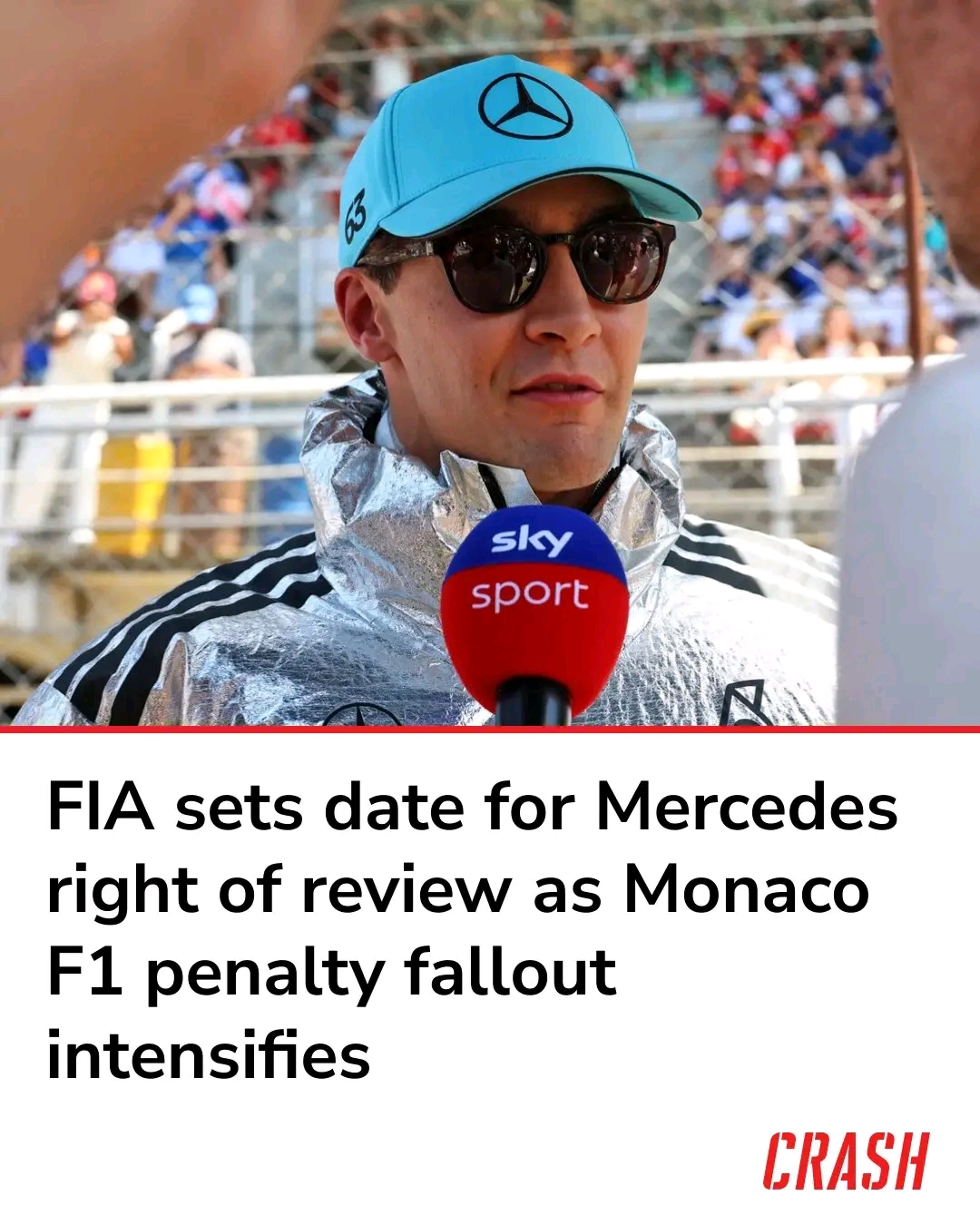
George Russell retained fourth place, while Kimi Antonelli dropped behind his Mercedes teammate following a five-second penalty.
Oscar Piastri finished sixth, Liam Lawson seventh and Charles Leclerc eighth after his own penalty affected Ferrari’s final position.
Lewis Hamilton remained ninth, while Nico Hulkenberg completed the points-paying positions in tenth.
The changes were particularly significant for Ferrari, whose drivers had already struggled to find consistent pace throughout the race.
Rather than improving the team’s fortunes, the post-race decisions added further disappointment to an already difficult Brazilian GP weekend.
CHARLES LECLERC PENALISED AFTER COLLISION WITH LIAM LAWSON
Charles Leclerc was among the drivers investigated following an intense battle with Liam Lawson during the closing stages of the race.
The Ferrari driver attempted to overtake the Racing Bulls competitor on the penultimate lap, with the two cars making contact during their wheel-to-wheel fight in wet conditions.
Leclerc managed to complete the pass and initially moved into seventh position.
However, the stewards subsequently reviewed the incident and handed Leclerc a five-second time penalty.
The sanction dropped him behind Lawson in the final classification, leaving the Ferrari driver eighth rather than seventh.
The decision represented another frustrating development for Leclerc, who had already endured a difficult weekend with Ferrari.
His penalty also benefited Lawson, who secured seventh place after demonstrating impressive determination throughout the Brazilian Grand Prix.
The incident highlighted the difficulties drivers faced when attempting overtakes on a slippery Interlagos circuit.
KIMI ANTONELLI’S UNSAFE RELEASE INVESTIGATION COSTS MERCEDES
Kimi Antonelli also faced scrutiny after a potentially dangerous pit-lane incident involving Mercedes.
During a pit stop, the Italian was released into the path of Alpine driver Franco Colapinto, forcing the Argentine to react to the approaching Mercedes.
The incident immediately attracted attention because unsafe releases can create serious risks for drivers and mechanics working in the pit lane.
The FIA investigated the situation and ultimately imposed a five-second time penalty on Antonelli.
Although the sanction did not destroy Mercedes’ championship celebrations, it affected the team’s final race classification.
Antonelli’s fifth-place finish came despite the penalty, while Russell remained ahead in fourth.
The incident demonstrated how even a relatively minor pit-lane mistake can become costly during a tightly contested Grand Prix.
For Mercedes, the priority was ultimately securing the championship, but the investigation served as another reminder that operational precision remains essential even during a successful weekend.
OLIVER BEARMAN ALSO PUNISHED AFTER PIT-LANE INCIDENT
Oliver Bearman received another five-second penalty following an unsafe release by Haas during a pit stop.
The stewards determined that Bearman was released into the path of Leclerc, forcing the Ferrari driver to take evasive action.
The decision was therefore based on the dangerous circumstances surrounding the release rather than a conventional on-track collision.
Bearman’s penalty added to the list of post-race sanctions that affected the Brazilian GP classification.
The incident also highlighted the increasingly important role pit-lane safety plays in modern Formula 1.
Teams must ensure that drivers are released safely into traffic, particularly when several cars are entering or leaving the pit lane during changing weather conditions.
A mistake in that environment can have consequences extending beyond the immediate race result.
MAX VERSTAPPEN’S INCREDIBLE RECOVERY STEALS THE SHOW
Despite the penalties dominating the post-race headlines, Max Verstappen delivered one of the most remarkable performances of the Brazilian Grand Prix.
The Red Bull driver started 21st after engine-related penalties but fought his way through the field to finish second.
His recovery demonstrated exceptional racecraft, particularly during the opening stages when overtaking opportunities were crucial.
Verstappen’s progress was made even more impressive by the changing weather conditions, which forced drivers to constantly reconsider their tyre choices and approach to the circuit.
The Dutchman ultimately secured another podium finish and received the fan-voted Driver of the Day award.
Although he did not repeat his extraordinary 2024 Interlagos victory from 17th on the grid, his latest performance reinforced his reputation as one of Formula 1’s strongest recovery drivers.
His second-place finish also strengthened his position in the championship battle.
LANDO NORRIS DELIVERS McLAREN’S BIG BRAZILIAN GP VICTORY
Lando Norris emerged as the biggest winner of the weekend after converting pole position into victory at Interlagos.
The McLaren driver demonstrated impressive composure throughout a race complicated by changing weather conditions and difficult tyre decisions.
Norris acknowledged that the conditions were challenging, particularly when the drivers switched from intermediate tyres to slicks while the circuit remained unpredictable.
However, he avoided major mistakes and maintained the pace necessary to control the race.
The victory represented an important response after his difficult recent weeks and provided McLaren with a significant result following its continued development efforts.
Norris also secured his second consecutive Brazilian Grand Prix victory, reinforcing his connection with the demanding Interlagos circuit.
MERCEDES CELEBRATE HISTORIC CONSTRUCTORS’ CHAMPIONSHIP
While the Brazilian Grand Prix produced several disappointing moments for Mercedes, the team ultimately achieved its biggest objective.
Fourth place for George Russell and fifth for Antonelli were sufficient to secure the 2026 Constructors’ Championship.
The championship marked Mercedes’ return to the top of Formula 1 after several difficult seasons during the ground-effect era.
It also represented another significant achievement for team principal Toto Wolff, whose leadership has been central to the team’s long-term success.
Mercedes’ ninth Constructors’ Championship placed it alongside some of the most successful organisations in Formula 1 history.
The achievement was especially meaningful because it came during the same season Antonelli became the youngest Drivers’ World Champion.
The combination of individual and team success has transformed 2026 into one of the most memorable campaigns in Mercedes’ modern history.
FERRARI’S BRAZILIAN GP DISAPPOINTMENT CONTINUES
Ferrari left Interlagos with another difficult result after struggling to maintain competitive pace in both wet and dry conditions.
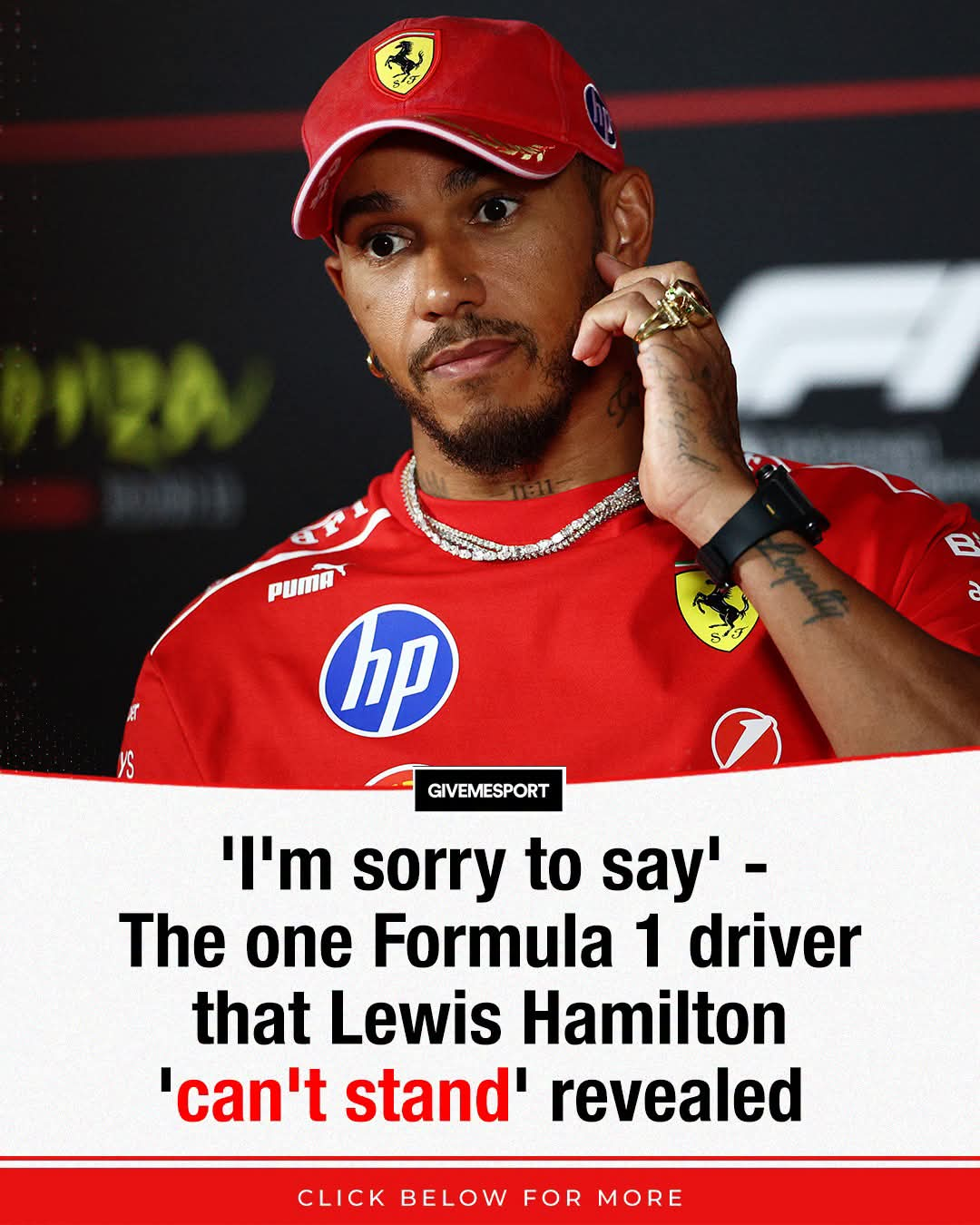
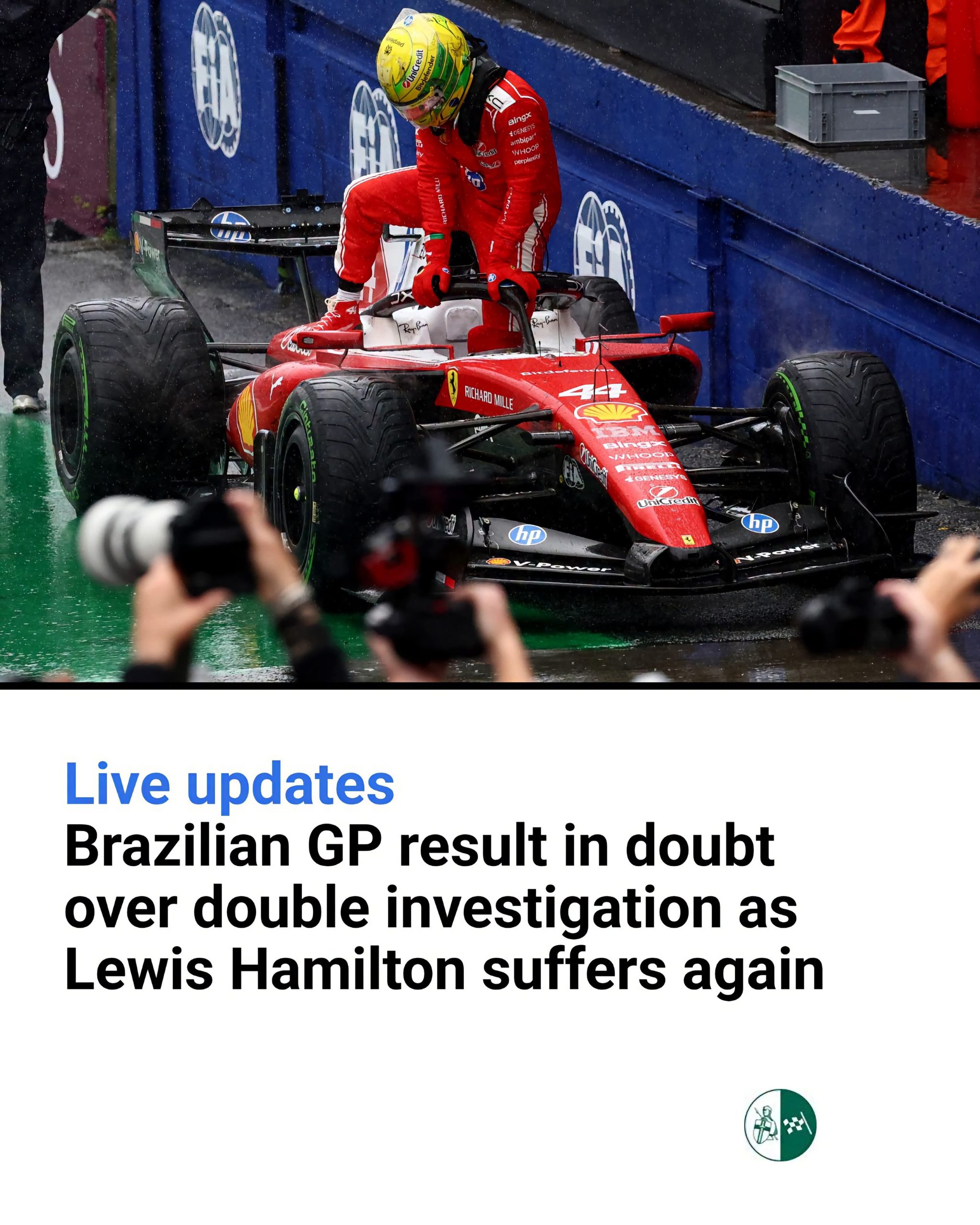
Leclerc’s penalty added to the frustration, while Hamilton’s ninth-place finish represented a limited recovery from his 20th-place starting position.
The team had entered the weekend hoping to challenge for stronger results, but its drivers were unable to consistently match the leading competitors.
Hamilton also experienced tyre overheating and a late communication problem involving changing weather conditions, further complicating his race.
Leclerc’s collision with Lawson created another unfortunate moment for Ferrari, ultimately contributing to his final classification.
The Brazilian GP therefore offered Ferrari another reminder that performance, strategy and execution must all improve if it wants to consistently challenge the strongest teams.
WHAT THE FIA DECISIONS MEAN FOR THE REMAINING F1 SEASON
The Brazilian Grand Prix demonstrated how quickly the final classification can change when multiple incidents are investigated after the chequered flag.
For Leclerc, the penalty represented a frustrating loss of position after an aggressive late-race battle.
For Antonelli, it was a costly reminder that championship-winning teams must maintain operational discipline even during celebrations.
For Bearman, the sanction highlighted the importance of safe pit-lane procedures.
Meanwhile, Norris and Verstappen emerged from Interlagos with the strongest individual results, while Mercedes secured the ultimate team prize.
With three races remaining in the 2026 season, every championship point continues to matter.
The Brazilian GP may have ended with a revised classification, but its consequences will extend well beyond Interlagos as Formula 1 prepares for the final stretch of an unforgettable championship campaign.