Lawrence Stroll has never been one for half measures. While many team owners in Formula 1 talk about long-term vision, the Canadian billionaire has repeatedly shown he is prepared to write the cheque, change the structure, and bet the house when the opportunity appears. That willingness to make bold, high-stakes decisions has defined Aston Martin’s modern era and continues to shape the team’s trajectory even through the difficult early stages of the 2026 regulations.
From rescuing a failing team to landing the sport’s most successful designer and securing a works engine partnership, Stroll’s track record is one of decisive action rather than cautious incrementalism. In an era of cost caps, corporate caution, and risk-averse boardrooms, his approach stands out.
THE PATTERN OF HIGH-STAKES MOVES THAT BUILT ASTON MARTIN’S AMBITION
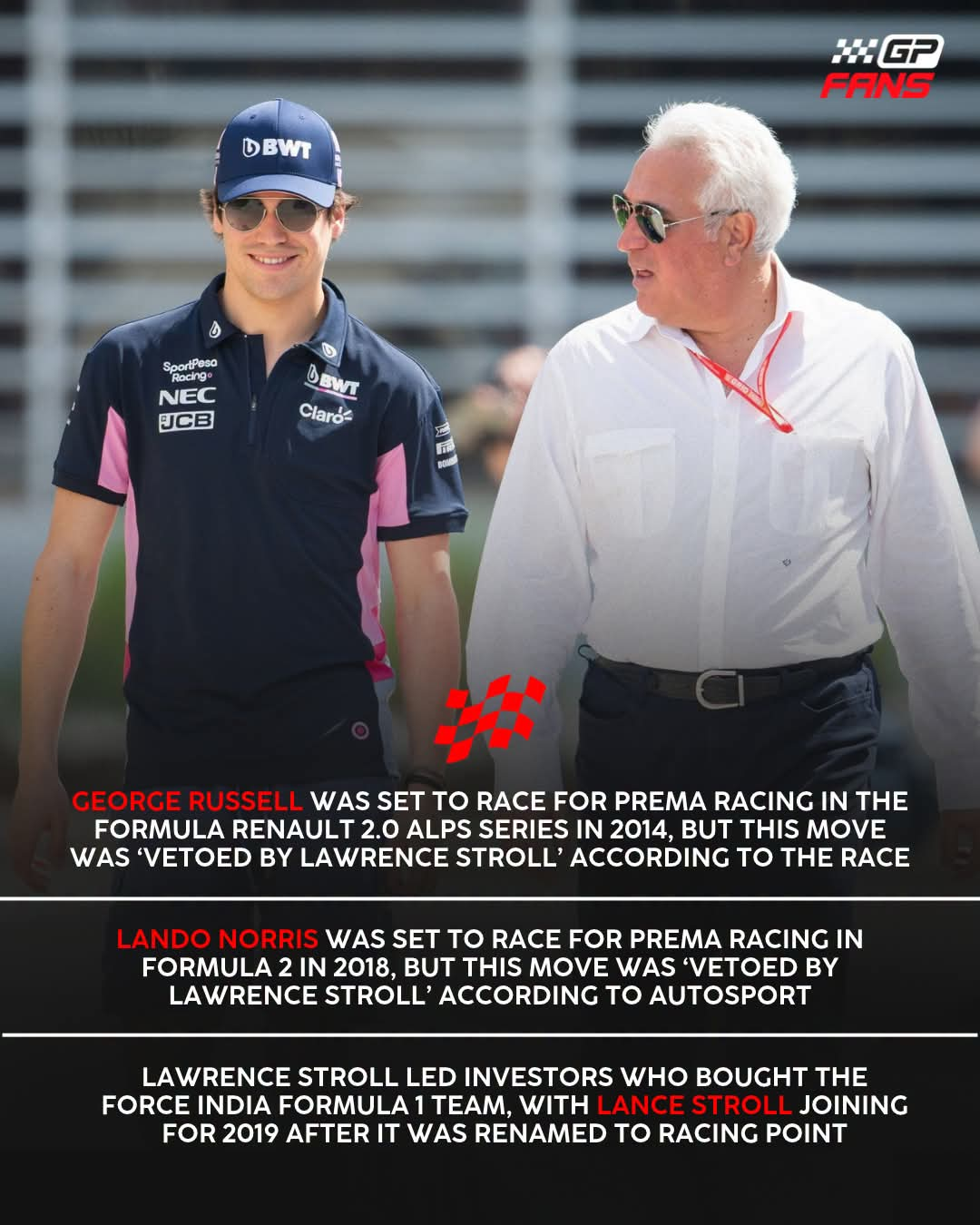
Stroll’s first major intervention came in 2018 when he led the consortium that bought Force India out of administration. What could have been a short-term rescue became the foundation for a multi-year transformation. The team was rebranded Racing Point, then Aston Martin. Facilities were overhauled. Investment poured into the Silverstone campus that is now among the most impressive in the paddock.
He followed that with driver moves that few expected. Signing Sebastian Vettel brought experience and star power. Then came the rapid recruitment of Fernando Alonso from Alpine, a deal completed with characteristic speed and conviction. Alonso’s presence raised the team’s profile and technical feedback quality overnight.
The biggest statement arrived in 2024 with the signing of Adrian Newey. Stroll pursued the legendary designer for years. When the opportunity finally opened, he offered not only a substantial package but also equity and a true partnership role. Newey became a shareholder and technical managing partner, later stepping into the team principal position for 2026. That structure is unusual in modern Formula 1, where designers rarely hold such direct ownership stakes. Stroll treated the appointment as a partnership rather than a conventional hire.
These were not low-risk decisions. Each required significant capital, organisational upheaval, and public commitment to results that had not yet materialised.
WHY THESE DECISIONS MATTER TO THE TEAM, THE DRIVERS, AND THE SPORT
Stroll’s approach has consequences that extend far beyond the balance sheet. For the drivers, it creates an environment of genuine ambition. Alonso has spoken about the straightforward nature of discussions with Stroll and the shared desire to continue. Lance Stroll has remained part of a project that continues to receive heavy investment even when results lag. Both drivers operate in a team that is clearly trying to win rather than simply survive midfield battles.
For the organisation, the constant evolution of leadership and technical structure creates pressure but also opportunity. Moving Andy Cowell into a strategic role and elevating Newey reflected a willingness to adjust when the first version of the works-team structure needed refinement. The new campus, the Honda partnership, and the influx of high-calibre engineers all stem from the same mindset: identify the gap and fill it decisively.
The broader industry feels the impact too. When a team owner demonstrates that equity and long-term partnership can attract talent of Newey’s calibre, it raises the competitive bar. Other teams must respond either with matching ambition or by accepting they will compete at a different level. The presence of a well-funded, owner-driven squad also adds narrative depth to the championship, something the sport has sometimes lacked in recent years of manufacturer dominance.
THE CURRENT REALITY AND THE PRESSURE THAT COMES WITH BOLDNESS
None of this has been smooth. The 2026 season has been challenging for Aston Martin and Honda. Performance has not matched the pre-season expectations that accompanied Newey’s arrival and the works engine deal. Rumours of tense meetings and questions about the power unit’s competitiveness have circulated. Yet Stroll’s response has remained consistent with his history: engage directly, demand progress, and maintain public commitment.
Honda executives have pushed back against suggestions of ultimatums, framing discussions as normal senior-level meetings focused on shared goals. Newey has spoken of promise in the Japanese manufacturer’s development work. The decision to retain both Alonso and Lance Stroll for 2027, sealed in characteristically direct conversations, signals continued belief rather than panic.
Patience is often cited as a necessary virtue in Formula 1. Stroll has shown he can deploy it when required, but he has never been content to wait indefinitely. That tension between urgency and long-term building is what makes his leadership distinctive.
WHAT COMES NEXT AND WHY THE STROLL MODEL REMAINS RELEVANT
Looking ahead, the next 18 months will test whether Stroll’s biggest bets pay off. The Honda partnership needs to deliver meaningful performance steps. Newey’s technical direction must translate into a car that can challenge at the front under the new rules. The driver line-up must convert opportunity into results.
Success would validate a model that few other owners have the resources or temperament to attempt. Failure would invite the familiar questions about whether aggressive investment and structural change can overcome the inherent difficulty of winning in Formula 1. Either outcome will be instructive for the rest of the paddock.
What is already clear is that Lawrence Stroll does not operate from a position of caution. He identifies what he believes is required, commits resources, and adjusts course when necessary. In a sport full of careful statements and measured timelines, that willingness to make the big decision remains rare and, for better or worse, defining.
The green cars may not yet be at the front every weekend, but the ambition behind them is unmistakable. Stroll has bet heavily on that ambition. The rest of Formula 1 continues to watch how the wager plays out.