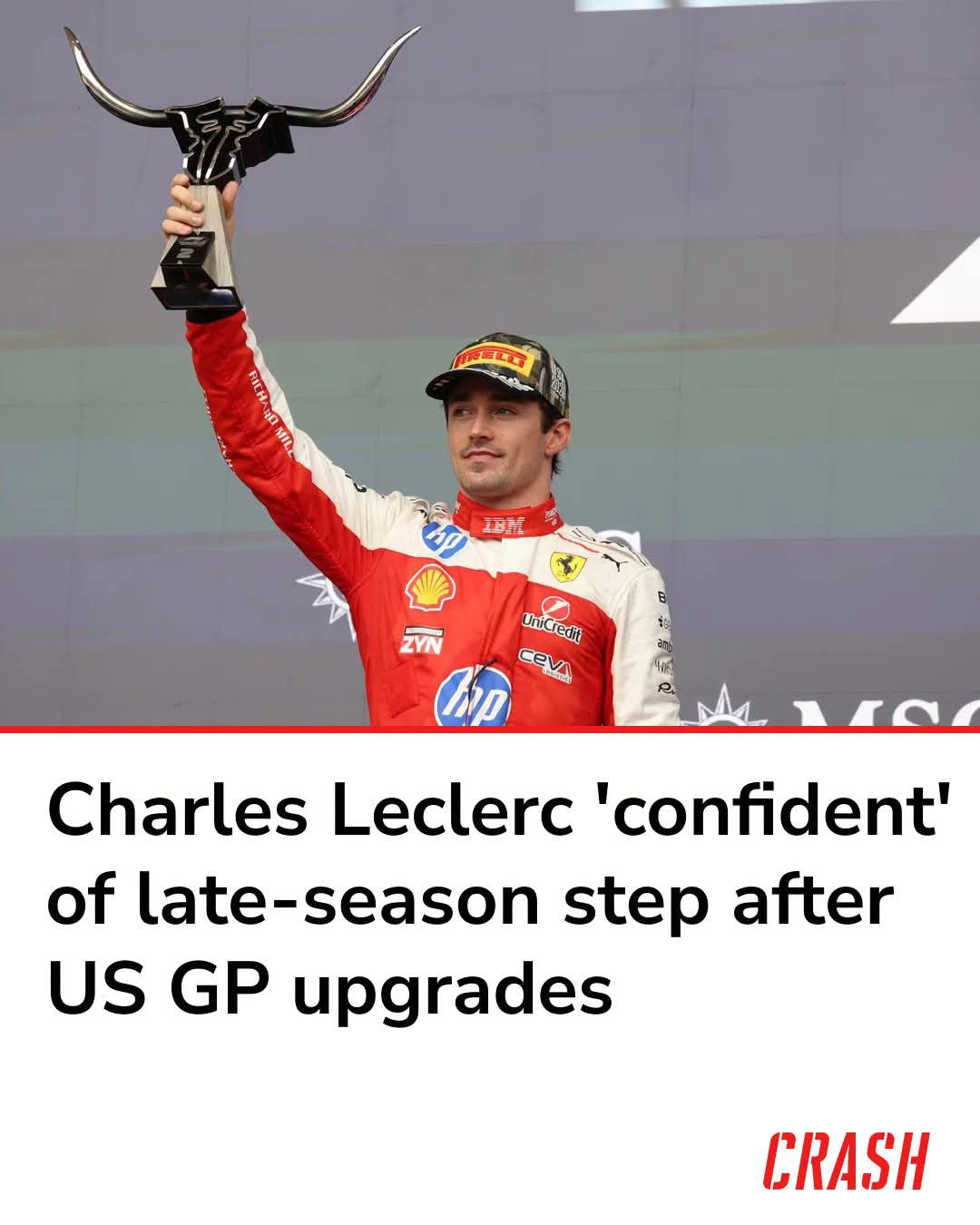
Charles Leclerc has found something special in the Ferrari SF-26. After back-to-back podiums in Singapore and the United States Grand Prix, the Monegasque driver revealed he has unlocked a clearer understanding of how to set up and drive the car to suit his style. The result is renewed confidence heading into the final stretch of the 2026 Formula 1 season.
This is not just another post-race soundbite. In an era of highly specific ground-effect cars under the current regulations, the connection between driver and machine often decides who fights at the front and who settles for midfield battles. Leclerc’s comments after finishing second in Austin point to a genuine step forward for both him and the Scuderia.
WHAT LECLERC ACTUALLY SAID ABOUT THE BREAKTHROUGH
Following his strong drive at the Circuit of the Americas, where he recovered second place after battling Max Verstappen and others, Leclerc explained the progress. The feeling with the car has improved steadily over the last two or three races. These machines demand a very particular approach, and he believes he has rediscovered the right way to adapt the setup to his driving.
The combination of refined setup work and his own adjustments has made him far more comfortable. He stopped short of promising victories but made his ambition clear: Ferrari was close in both Singapore and Austin, and he remains confident a race win is still possible before the season ends. Fine margins will decide it, along with whatever upgrades rivals bring to the remaining rounds.
The timing is notable. Ferrari introduced an aerodynamic package in Austin featuring revised sidepods, floor elements, and diffuser work. The upgrades helped, yet Leclerc’s comments focused more on the human element—the setup dialogue between driver and engineers—than pure hardware gains.
WHY THIS MATTERS FOR FERRARI AND LECLERC RIGHT NOW
Ferrari’s 2026 campaign has been a mixed bag. Strong moments, including Leclerc’s earlier win at Silverstone, have been offset by inconsistency. The SF-26 generates strong downforce but has at times proven tricky to balance, especially with rear tyre management and the narrow setup window these regulations create. Finding a configuration that lets Leclerc attack without fighting the car is a meaningful development.
For Leclerc personally, the psychological boost is significant. Drivers at this level perform at their best when they trust the car completely. A comfortable Leclerc is a dangerous Leclerc—capable of extracting every tenth and putting pressure on the leaders. Consecutive podiums provide tangible proof that the progress is real, not just feel-good talk after a single strong race.
The broader impact touches the constructors’ fight and Ferrari’s momentum into 2027. Every point matters in a tight midfield-to-front battle. More importantly, ending the season on a high with a win or two would give the team valuable data and confidence as they develop the next car under evolving regulations.
THE BIGGER PICTURE IN THE NEW REGULATIONS ERA
The current generation of Formula 1 cars rewards precise setup more than ever. Small changes in ride height, suspension geometry, or aerodynamic balance can transform a car from nervous to planted. Drivers who work closely with their engineers to find that sweet spot often outperform the raw potential of the machine. Leclerc’s recent comments suggest Ferrari has improved that collaboration.
It also highlights a common theme this season: teams that close the driver-car feedback loop fastest gain an edge. Rivals will study Ferrari’s Austin performance closely. If the SF-26 continues to respond better to Leclerc’s input, the final races could see the red cars more regularly in the mix for wins rather than just strong points finishes.
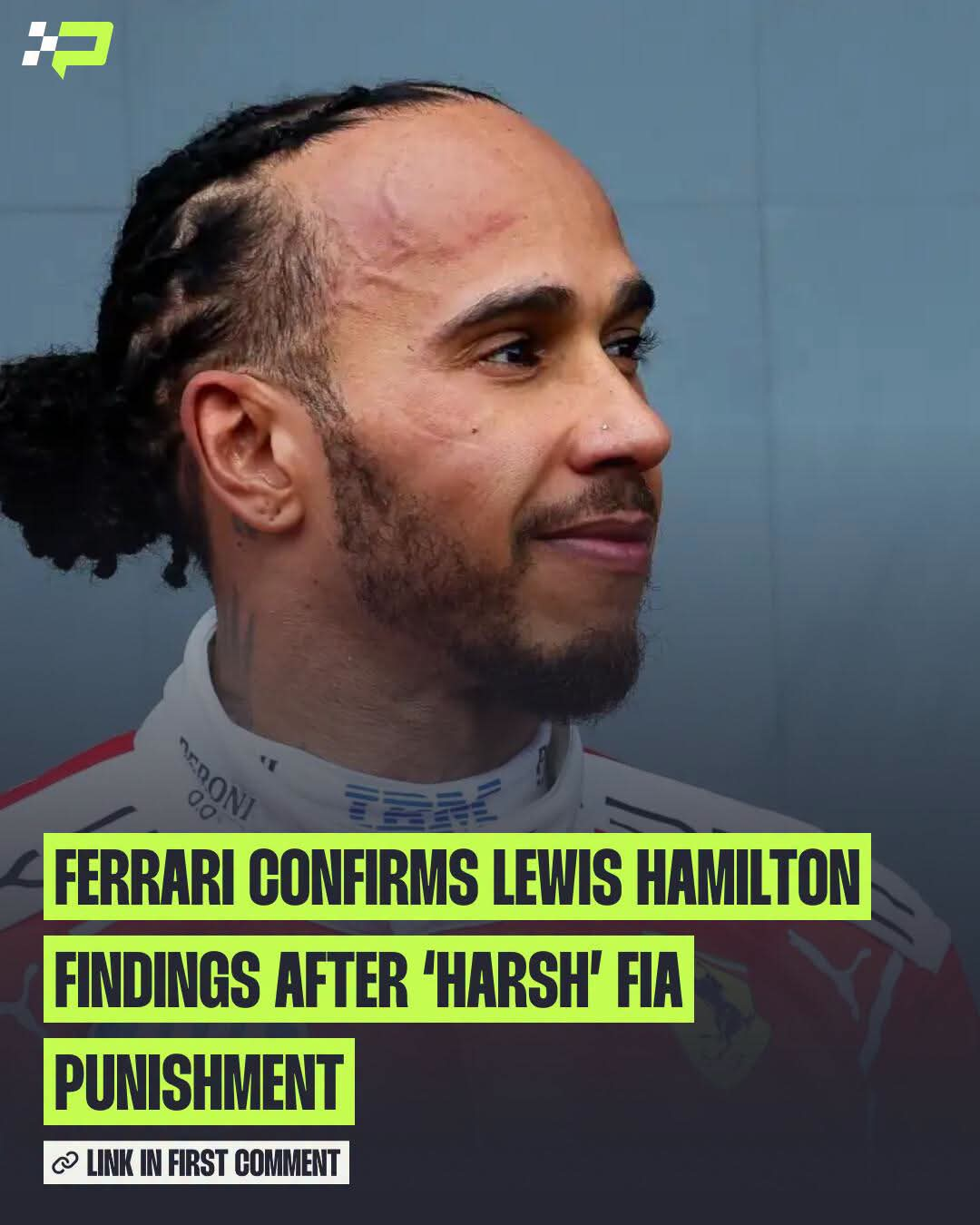
Lewis Hamilton’s parallel experience at Ferrari adds another layer. Dual development paths can either accelerate progress or create competing priorities. Leclerc’s clearer direction may help the team converge on setups that work for both drivers or at least give them a stronger baseline.
WHAT COMES NEXT AND REALISTIC EXPECTATIONS
The calendar still has several races left, including high-altitude Mexico and the traditional season-ending venues. Tracks that reward good mechanical grip and precise balance should play to Ferrari’s emerging strengths if the setup progress holds. Leclerc has already shown he can convert that feeling into race-day pace.
Predictions remain cautious by design. Championship leader Kimi Antonelli and the other front-runners will not stand still. Upgrades from Red Bull, McLaren, and Mercedes could shift the order again. Yet the mere fact that Leclerc is talking openly about winning races rather than simply surviving them signals a shift in mindset at Maranello.
A late-season victory would do more than add to the win tally. It would validate the technical and human work of recent weeks, boost morale heading into the winter, and give Ferrari a stronger platform for 2027. Even without a win, sustained competitiveness in the final races would mark clear progress from earlier inconsistency.
THE VALUE OF DRIVER FEELING IN A DATA-DRIVEN SPORT
Formula 1 runs on telemetry, simulation, and endless data. Still, the driver’s subjective feedback remains irreplaceable. When a driver of Leclerc’s calibre says he has unlocked something fundamental about setup and driving style, teams listen. That feedback loop is often where real performance lives—beyond what the numbers alone can reveal.
Leclerc’s renewed belief is therefore bigger than one driver’s comfort. It reflects a team that is learning its car more deeply as the season progresses. For fans, it raises the possibility of more exciting races at the front. For Ferrari, it offers a pathway to close the year stronger than it started.
Whether that pathway leads to the top step before Abu Dhabi remains to be seen. What is already clear is that Charles Leclerc feels more at home in the SF-26 than he has in some time. In Formula 1, that feeling can be the difference between nearly and actually winning.