The FIA has confirmed significant grid penalties for Gabriel Bortoleto and Franco Colapinto ahead of the 2026 United States Grand Prix, adding another layer of uncertainty to an already demanding race weekend at the Circuit of the Americas. Both drivers have exceeded their permitted allocation of power unit components, forcing them to accept grid drops under Formula 1’s technical regulations.
Bortoleto faces the heavier punishment, with a reported 20-place grid penalty after Audi installed additional components in his power unit. Alpine’s Colapinto has been handed a 10-place drop after taking an extra control electronics unit. Meanwhile, Arvid Lindblad’s situation remains unclear after an FIA document announcing a separate penalty was reportedly withdrawn.
BORTOLETO HIT WITH 20-PLACE GRID PENALTY
Bortoleto’s penalty follows the installation of his fourth energy store and fourth control electronics unit of the season. Under the reported regulations, drivers are permitted three of each component before additional use triggers a grid penalty.
The punishment represents a frustrating setback for the Brazilian, who had shown encouraging pace during Friday’s practice sessions in Austin. He finished eighth in FP1 and 11th in FP2, suggesting that he could have been in a position to challenge for a respectable starting spot.
Instead, the penalty threatens to undermine the progress made by Bortoleto and Audi throughout the weekend. Starting further down the grid would leave him needing to make up positions through overtaking, strategy and race pace.
The actual effect will depend on the final starting order and any other penalties applied. When a grid drop exceeds the available positions, the driver generally starts from the back rather than serving every place literally.
COLAPINTO ALSO PENALISED AFTER POWER UNIT CHANGE
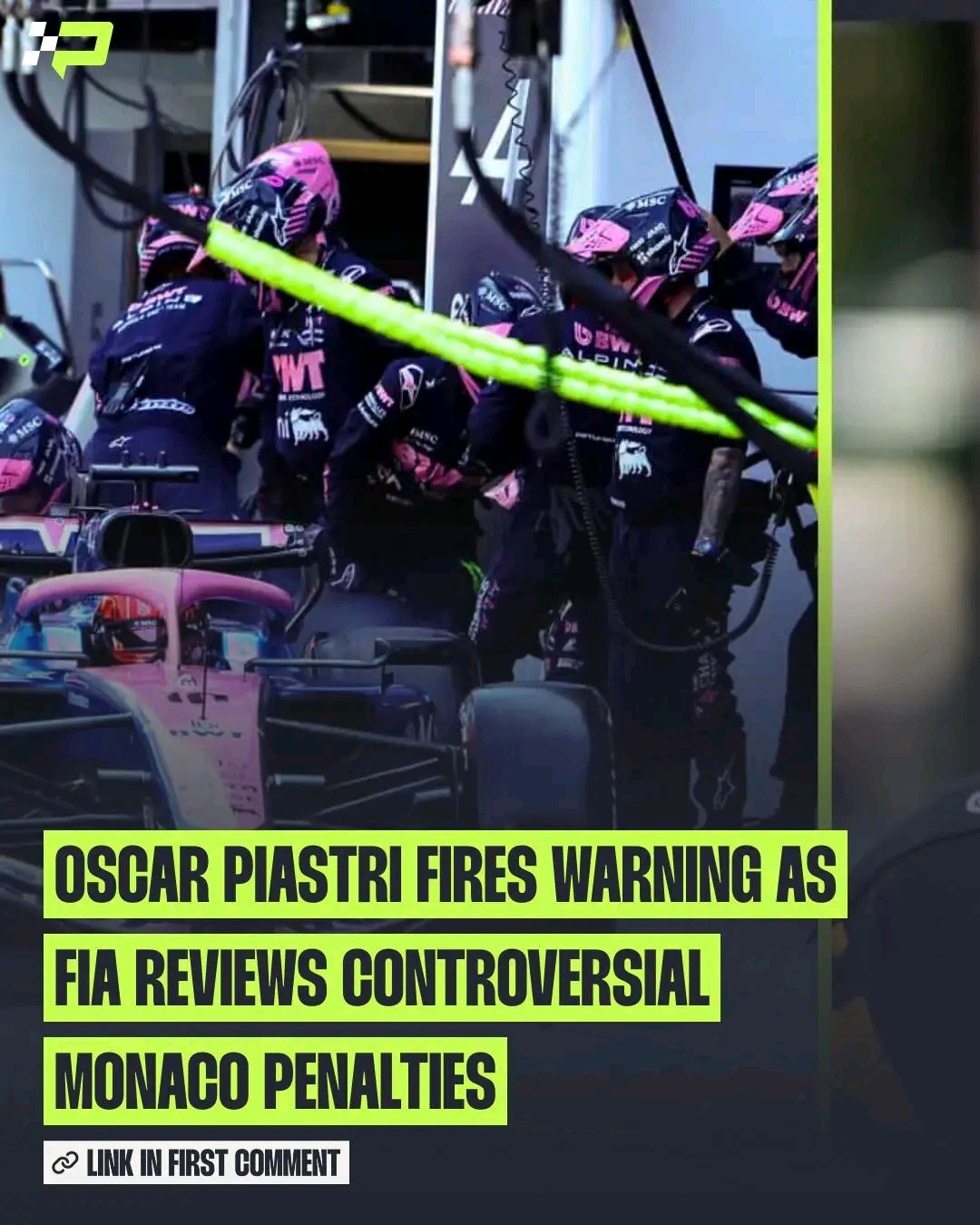
Colapinto has received a reported 10-place grid penalty after Alpine fitted his fourth control electronics unit of the season.
Like Bortoleto, the Argentine has exceeded the permitted allocation for that component. However, his reported punishment is less severe, leaving him with a smaller grid drop to contend with at the start of the race.
Colapinto’s Friday practice results were less encouraging than Bortoleto’s, with the Alpine driver finishing 17th in FP1 and 15th in FP2. The penalty adds another obstacle as he attempts to improve his position and deliver a competitive result.
For Alpine, the priority will be to ensure that the power unit change delivers reliability while helping Colapinto make the most of the race. Grid penalties can complicate strategy, but a strong race pace and well-timed pit stops may still provide opportunities to recover positions.
LINDBLAD’S FIVE-PLACE PENALTY UNDER A CLOUD
A third driver, Arvid Lindblad, appeared set to receive a five-place grid penalty after Racing Bulls reportedly installed his sixth internal combustion engine of the season.
The permitted allocation for the internal combustion engine is four units, meaning the reported change would put Lindblad two units over the limit. An FIA document announcing the penalty was reportedly issued on Friday before being recalled.
At the time of the original report, the document had not been republished, leaving uncertainty over whether the penalty would stand or whether further technical changes had affected the situation.
Until the FIA issues or republishes an official decision, Lindblad’s final penalty status should be treated as unconfirmed. The distinction matters because teams and drivers need the final ruling to establish the correct starting order.
WHY POWER UNIT PENALTIES MATTER IN FORMULA 1
Formula 1’s component allocation rules are designed to limit the number of power unit parts teams can use throughout a season. When drivers exceed those limits, grid penalties provide a sporting consequence and discourage unlimited component changes.
However, the regulations can create difficult decisions for teams. Continuing with worn components may increase the risk of failure, while installing fresh parts can trigger penalties that compromise qualifying and race-day prospects.
Teams must therefore balance reliability, performance and the timing of component changes across a long championship campaign. A penalty at a circuit where overtaking is possible may be easier to manage than one at a track where passing is particularly difficult, although traffic and strategy can still make recovery challenging.
For Audi and Alpine, the immediate objective will be to limit the damage and extract as many points as possible from the weekend.
US GRAND PRIX STARTING GRID COULD SEE FURTHER CHANGES
The reported penalties for Bortoleto and Colapinto are a reminder that the starting order can change substantially after qualifying as teams make technical adjustments and the FIA issues its final decisions.
Lindblad’s withdrawn document adds another question mark, making it important to distinguish confirmed penalties from those still awaiting clarification. Further changes to the grid should only be treated as official once the FIA publishes the relevant decisions.
With the championship entering the closing stages of the season, every position can matter. Drivers starting further back will need to manage tyre wear, avoid unnecessary risks and take advantage of opportunities during the race.
For Bortoleto and Colapinto, the penalties are an unwanted complication. For their teams, the challenge is to turn a difficult starting position into a productive race. And for Lindblad, the final FIA ruling will determine whether he faces an additional setback at the United States Grand Prix.