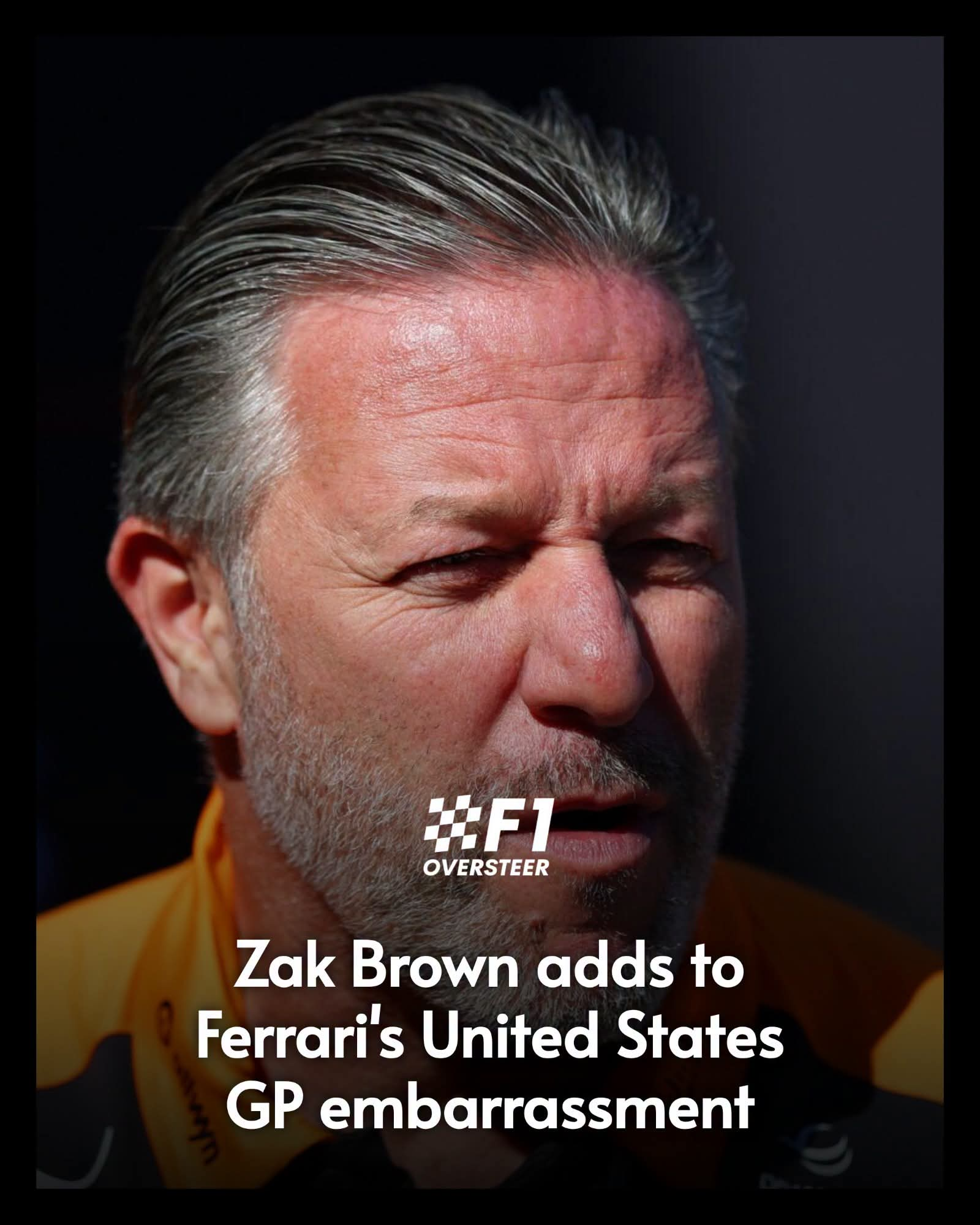
McLaren CEO Zak Brown thought he was stating the obvious during Q1 at the Circuit of the Americas. Sitting with Sky Sports, he declared that the Ferraris looked “in a league of their own.” Twelve simple words that now land like a punchline. By the end of Q3, Charles Leclerc sat fourth and Lewis Hamilton fifth. Mercedes’ Kimi Antonelli took pole. The two Red Bulls locked out the rest of the front row. Ferrari’s dominant practice form had evaporated exactly when it mattered most.
This was not a one-off glitch. It was the latest chapter in a season-long pattern that continues to frustrate the Scuderia, its drivers, and the millions who still believe Maranello should be fighting at the front every weekend.
FERRARI DOMINATED PRACTICE THEN FELL APART WHEN THE LIGHTS WENT GREEN FOR QUALIFYING
Ferrari arrived in Austin with genuine momentum. The team’s final major upgrade package of the season appeared to deliver. Leclerc topped Friday’s sessions. Hamilton led final practice on Saturday morning. For the first time in 2026 the red cars had swept all three free practice sessions. Expectations soared. A first Grand Prix pole of the year felt realistic. Leclerc, in particular, looked primed to end a long drought.
That confidence carried into Q1 and Q2. The cars looked sharp through the low-speed corners and the flowing middle sector. Brown’s radio comment captured the mood perfectly. Then Q3 arrived and the picture changed. Track temperature dropped by one or two degrees. Cloud cover increased. Suddenly the Ferraris could not generate or maintain the tyre temperature they needed. Leclerc struggled on his out-lap, sliding more than expected. His final time was slower than his best from Q2. Hamilton improved on his second run but still ended up 0.276 seconds off pole.
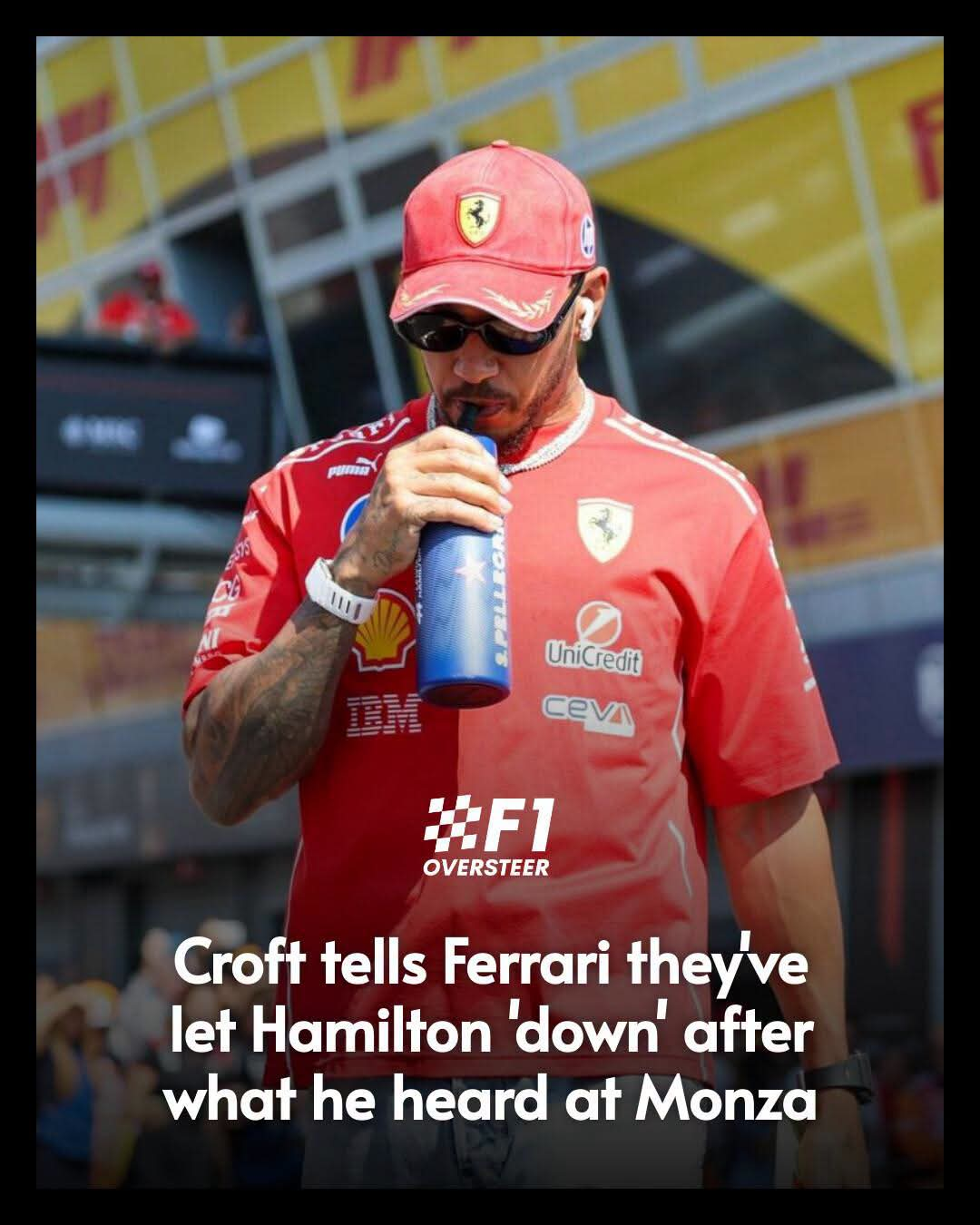
Both drivers were left searching for answers. Leclerc pointed to the tyres and the narrow operating window. “We had the potential in the car, but the car also includes tyres,” he said. “In Q3 unfortunately we were not in the right place.” Hamilton was more blunt about the power unit. On the long back straight and into Turn 1, rivals simply pulled away once they turned their engines up. “These guys must be turning it up for that last Q3,” he told his engineer, “because where did that time go?”
WHY THIS MATTERS FOR THE DRIVERS, THE TEAM, AND THE CHAMPIONSHIP PICTURE
For Leclerc the result stings on a personal level. He has carried Ferrari through difficult periods for years. Another weekend where practice promise fails to convert into grid position chips away at the belief that the package can deliver under pressure. Hamilton, still adapting to life in red, continues to see the same recurring limitations: a car that is competitive in race simulations but struggles to extract the final tenths on a single lap when conditions shift or when rivals deploy full power-unit modes.
The operational impact is real. Starting fourth and fifth at a track where overtaking is possible but never guaranteed forces the team into reactive strategy. Clean air, tyre management, and undercut opportunities become harder to control. In a season where Ferrari has already watched multiple strong practice performances fail to translate into results, the psychological toll accumulates. Drivers begin to second-guess the out-lap procedure. Engineers chase ever-smaller tyre windows. Confidence erodes.
For the broader championship the consequences are clearer. Antonelli’s pole strengthens Mercedes’ late-season resurgence. Red Bull’s second and third places keep them firmly in the fight. McLaren, despite Brown’s early concession, remains a consistent threat over race distance. Ferrari’s inability to convert practice dominance into Saturday supremacy keeps them chasing rather than leading. Every lost opportunity to start from the front row makes the constructors’ battle tighter and the drivers’ standings more difficult to climb.
THE DEEPER TECHNICAL AND CULTURAL ISSUES BEHIND THE COLLAPSE
Two familiar weaknesses sit at the heart of the problem. First is tyre preparation. Ferrari’s chassis tends to keep the rubber cooler in race trim, which is an advantage on Sunday but a liability on Saturday when drivers need to load the tyres quickly on a single flying lap. A one- or two-degree drop in track temperature is enough to push the car outside its optimal window. Rivals appear more adaptable. Second is the power unit. When other manufacturers turn up the wick for the final Q3 runs, Ferrari lacks the same step. The deficit shows most clearly on COTA’s long straights.
These are not new issues. They have surfaced repeatedly throughout 2026. The pattern suggests a fundamental correlation problem between the simulator, free practice, and the high-stakes environment of qualifying. Setup choices that look strong on Friday can become compromised once the track rubber evolves and ambient conditions shift. Operational decisions around out-laps and tyre management have also drawn scrutiny in previous events. Even when the drivers execute cleanly, the car sometimes refuses to deliver the expected progression from Q2 to Q3.
There is a cultural dimension too. Ferrari carries the weight of history and expectation. When the car looks quick in practice, the pressure to convert that into a front-row lockout becomes intense. That pressure can tighten decision-making rather than sharpen it. Brown’s comment, made in real time while Ferrari still looked dominant, simply highlighted how dramatic the subsequent drop looked from the outside.
WHAT COMES NEXT AND WHY THE STORY IS BIGGER THAN ONE QUALIFYING SESSION
The race itself still offers opportunity. COTA rewards strong race pace and smart strategy. Ferrari’s long-run simulations have often looked competitive. A solid recovery drive from fourth and fifth is possible, especially if the team can manage tyres better than rivals over a full stint. Yet the pattern cannot continue indefinitely. With the season winding down and 2027 regulations already on the horizon, unresolved single-lap weaknesses risk carrying over into the next generation of cars.
Brown’s twelve words will be remembered less for what they said about McLaren’s prospects and more for how neatly they framed Ferrari’s recurring Saturday struggle. In a sport measured in thousandths of a second, looking like the class of the field for two hours only to lose the plot when the grid is decided is a painful form of almost. Until Ferrari solves the tyre window and closes the power-unit gap, moments like this will keep defining their seasons.
The Scuderia still has the drivers, the resources, and the occasional flashes of genuine pace. What it needs is the consistency to turn Friday promise into Saturday results. Until that happens, every complimentary comment from a rival CEO will carry an unintended sting.