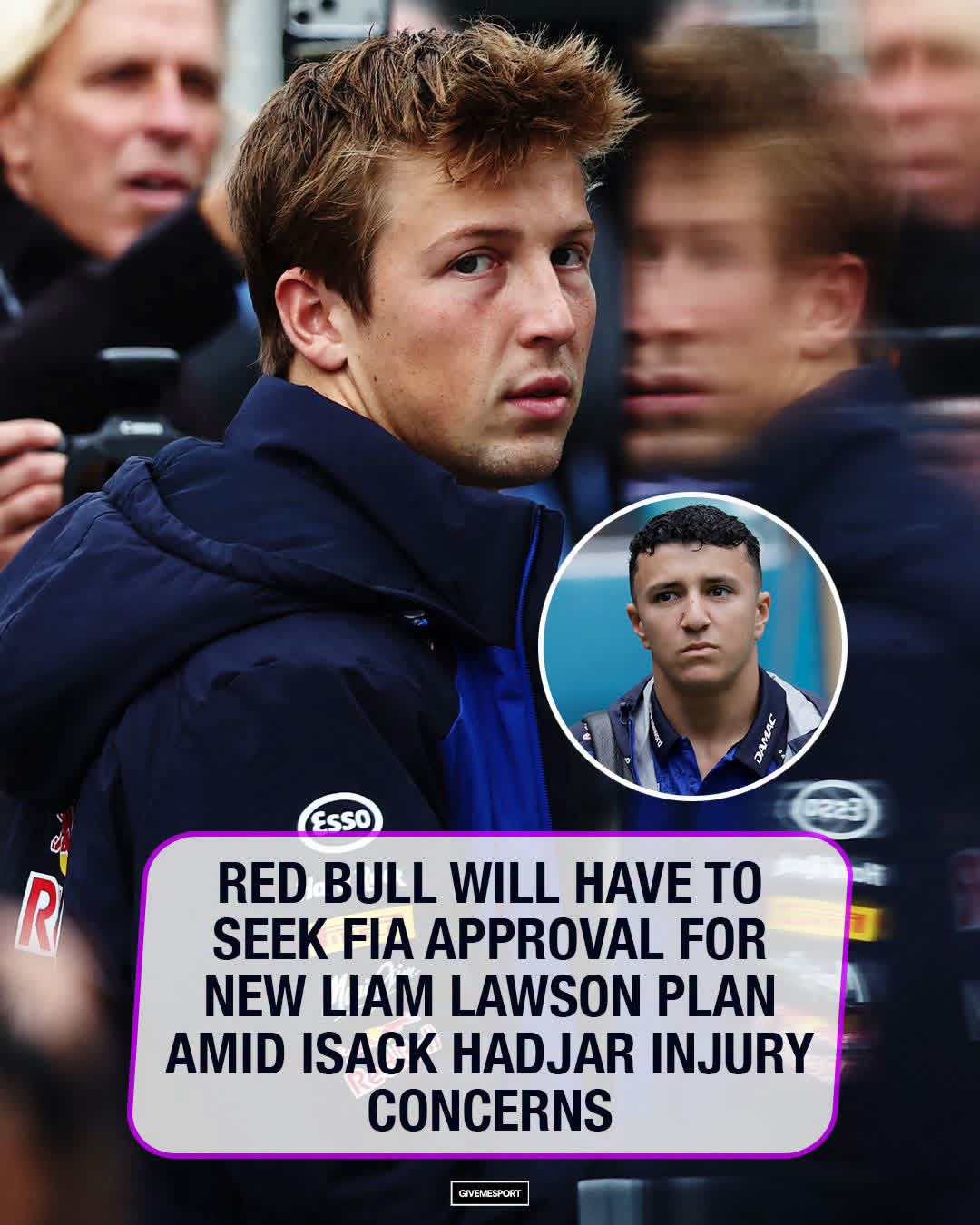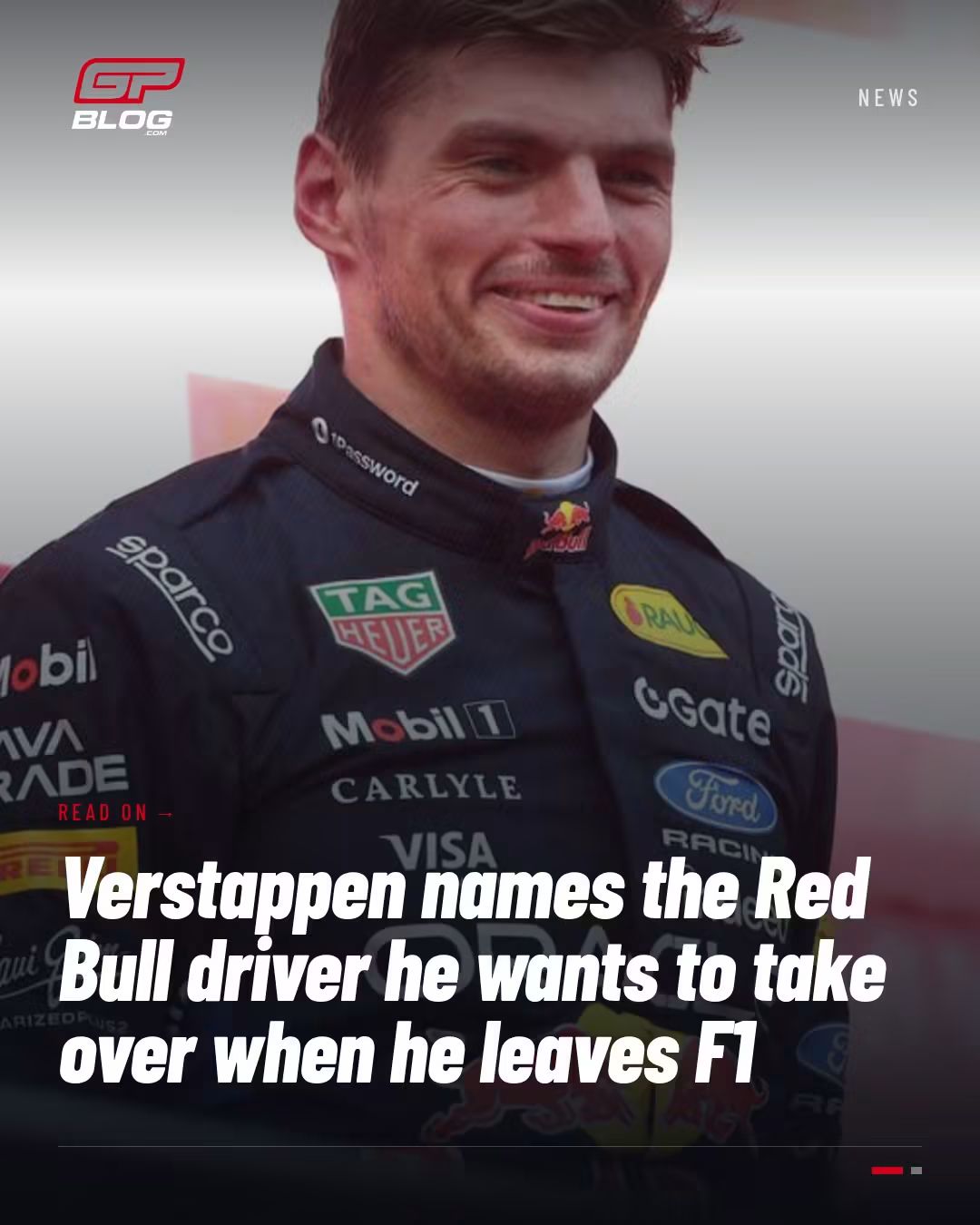
Max Verstappen has never been one for empty praise or political team-speak. When the four-time Formula 1 world champion speaks about the future of Red Bull Racing, people listen. And right now, his message is clear: Isack Hadjar is the driver he wants to see eventually take over the seat he currently occupies.
In a recent interview, Verstappen openly expressed hope that the young Frenchman could succeed him at the Milton Keynes squad once he eventually steps away from the sport. It is not a formal succession plan or a binding decree. It is something more powerful in the high-pressure world of Formula 1 — the public endorsement of the sport’s most dominant active driver.
WHY THIS ENDORSEMENT CARRIES REAL WEIGHT
Red Bull has spent years searching for a teammate capable of extracting performance from the same car that Verstappen turns into a weapon. The second seat has chewed through talent. Daniel Ricciardo was the last driver who genuinely went toe-to-toe with him for an extended period. Since then, a succession of highly rated drivers have arrived with big expectations and left with diminished reputations.
Hadjar has broken that pattern. Promoted from Racing Bulls after a strong rookie season in 2025, the Frenchman stepped into the senior team in 2026 and immediately looked more at home than most of his predecessors. He has scored consistent points, delivered a podium in Monaco, and maintained a respectful but competitive relationship with Verstappen. The team rewarded that progress with a contract extension through 2027, locking in the partnership for another season.
Verstappen’s comments go further than simple teammate approval. By linking Hadjar to the long-term future of the team, he is signaling that the young driver has the raw ingredients — speed, temperament, and cultural fit — that Red Bull values. In an organization famous for its ruthless approach to talent management, that kind of public backing from the star driver matters.
THE RED BULL MODEL OF SUCCESSION
Red Bull’s driver development system has always been built on continuous regeneration. The junior program identifies talent early, accelerates it through the feeder series, and promotes the best into Formula 1 seats. Verstappen himself is the ultimate product of that system. He understands the process intimately.
His comments reflect that institutional knowledge. He noted that Hadjar has been part of the Red Bull ecosystem for years, attending races and absorbing information even before he reached Formula 1. That long runway, combined with competitive results once he arrived, appears to have convinced Verstappen that the Frenchman represents the next generation the team should invest in.
At the same time, Verstappen was characteristically realistic. He is not planning an imminent retirement. His current contract runs through 2030. Yet he has repeatedly made clear that he does not intend to race forever. When that day comes, he wants the team to be in strong hands. Naming Hadjar as the preferred candidate is both a vote of confidence and a form of quiet succession planning.
WHAT THIS MEANS FOR HADJAR AND THE TEAM
For Hadjar, the endorsement is both validation and pressure. Being publicly identified as Verstappen’s preferred heir raises expectations. Every future performance will be measured against the idea that he is being groomed for the lead role. That can be motivating or crushing, depending on how the driver handles it.
So far, Hadjar has shown composure. He has avoided the public friction that sank earlier teammates. He has focused on learning the car, contributing to development, and delivering results without unnecessary drama. Those traits align with what Verstappen has always valued in a teammate: competence, reliability, and a willingness to work within the team structure rather than against it.
For Red Bull, the comments provide useful clarity. With Verstappen locked in until at least 2030, the team has time to continue developing Hadjar while monitoring other talents in the junior pipeline. The Frenchman’s presence also stabilizes the second seat, something that has been a recurring source of distraction in recent seasons.
THE BROADER IMPACT ON FORMULA 1
Stories like this matter beyond one team. Formula 1 is entering a period of generational transition. Several established stars are in the later stages of their careers. Teams that successfully manage the handoff from one generation to the next will hold a competitive advantage.
Red Bull’s willingness to promote from within and Verstappen’s readiness to publicly support that process send a signal across the paddock. Other teams are watching. Young drivers see a clear pathway. Sponsors and fans see continuity rather than chaos.
There is also a human element. Verstappen’s comments carry a touch of self-awareness. At an age when many drivers are still in their prime, he is already thinking about the endgame and the people who will follow him. That kind of long-term perspective is rare in a sport obsessed with the next race.
LOOKING AHEAD
Nothing is guaranteed in Formula 1. Contracts can change. Form can fade. New talents can emerge. Hadjar still has to keep performing at a high level across multiple seasons. Verstappen still has years of competitive driving ahead of him.
Yet the public statement itself is significant. The sport’s most successful current driver has looked at the young Frenchman sharing his garage and essentially said: when I leave, this is the guy I want to see in the seat.
For Red Bull, that is valuable institutional knowledge. For Hadjar, it is both a massive opportunity and a clear target. For the rest of the Formula 1 world, it is an early look at how one of the sport’s great dynasties is thinking about its future.
Max Verstappen has chosen his heir. Now the hard work of turning that preference into reality begins.