Lewis Hamilton and Charles Leclerc have been accused of prioritising their personal rivalry over Ferrari’s collective results, with former Formula 1 driver Jolyon Palmer delivering a pointed assessment of their recent performances. Palmer believes the pair’s determination to finish ahead of one another has, at times, cost the team valuable points and complicated its constructors’ campaign.
The criticism follows a Singapore Grand Prix weekend in which strategy and on-track decisions again highlighted the tension inside the Scuderia.
### PALMER QUESTIONS HAMILTON’S SINGAPORE STRATEGY CALL
Ferrari left Singapore with mixed feelings. Both cars scored, and Leclerc finished second in the Grand Prix, yet more points appeared available. Hamilton ignored a team request to pit under the Virtual Safety Car and ultimately classified sixth, allowing Kimi Antonelli, Lando Norris and Oscar Piastri to gain ground on him.
Palmer suggested the decision was influenced by the desire to avoid emerging behind Leclerc. “I wonder in Singapore how much of Lewis’ decision-making was because of his desire to do something different to his teammate in order to beat him,” he said. “He will have seen Leclerc dive into the pits just in front and would have known then that even though Ferrari could double stack their cars just about, he would emerge behind his teammate and have no tyre offset to improve afterwards.
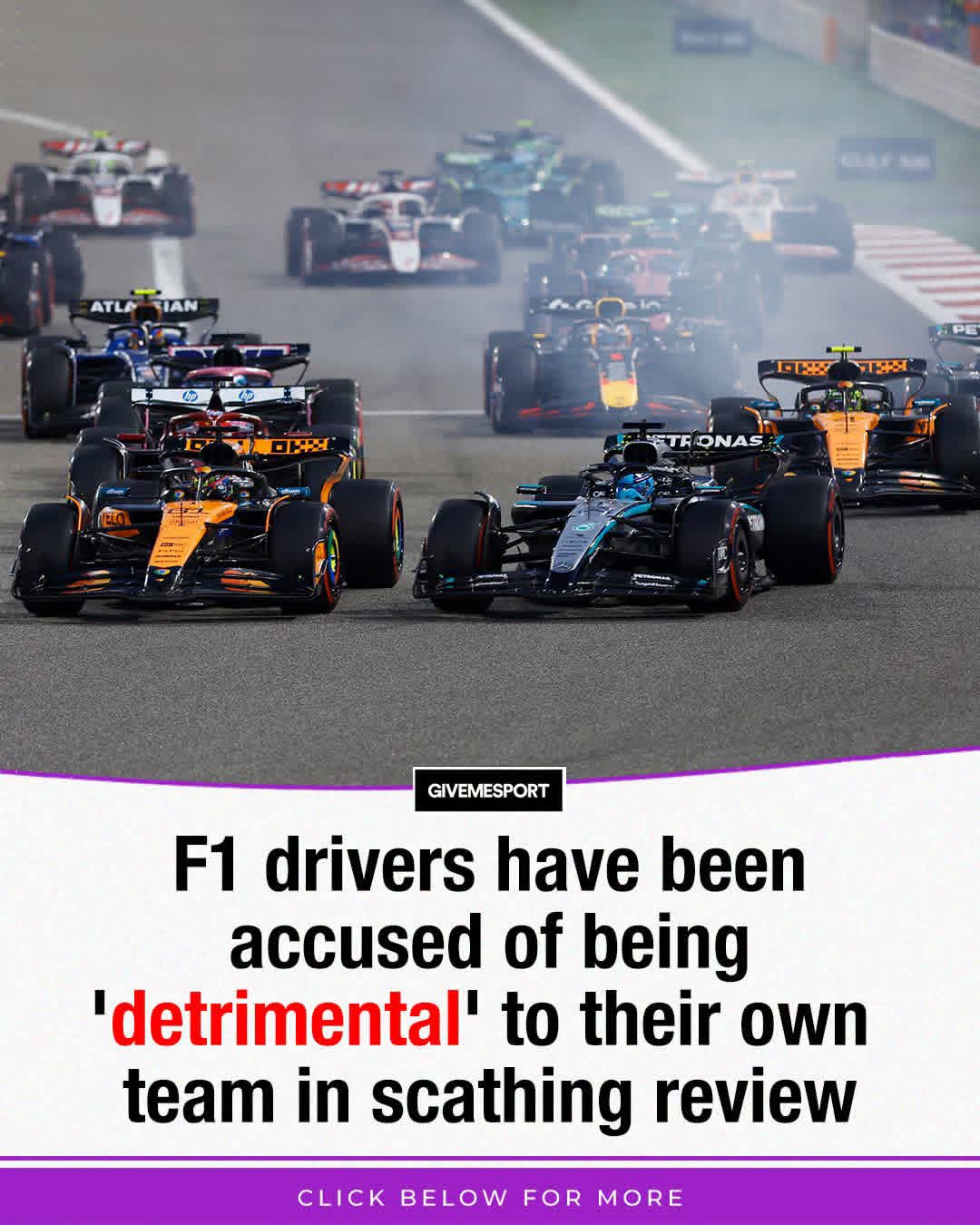
“It seems to me that the Ferrari duo are so keen to beat each other that, at times, it’s been detrimental to their overall results.”
Hamilton later apologised for the call. The result left him leading the head-to-head Grand Prix scoreline against Leclerc 9-8 rather than a more comfortable margin.
### A PATTERN OF COSTLY INTRA-TEAM BATTLES
Palmer argued that Singapore was not an isolated case. He pointed to Zandvoort, where an ambitious move by Leclerc on the final lap compromised both cars’ chances of challenging George Russell for a podium, and to Monza, where the pair made contact at the start and Leclerc later apologised for forcing Hamilton off track.
“Frank conversations have been had since then,” Palmer noted, “but I still wonder if this Singapore strategy call from Hamilton is another example of him showing a different kind of risk, in order to beat his teammate, without consideration of the bigger picture.”
### VASSEUR’S HANDS-OFF APPROACH UNDER SCRUTINY
Ferrari team principal Fred Vasseur has largely allowed Hamilton and Leclerc to race each other freely throughout 2026. That philosophy has produced entertaining battles and avoided the appearance of favouritism, but it has also left the team exposed when the duel has escalated into contact or suboptimal strategy.
With only six races remaining, the constructors’ and drivers’ standings remain fluid. Hamilton sits third in the championship, Leclerc is 14 points further back in fifth, and Max Verstappen occupies the position between them. Any further self-inflicted losses could prove decisive in the fight for podium places in the final classification.
### THE WIDER COST OF UNRESTRAINED RIVALRY
Internal competition can elevate performance, but only when it remains secondary to the team’s objectives. When two high-calibre drivers become locked in a personal contest, the risk of strategy compromises, on-track incidents and wasted points rises sharply. Palmer’s assessment suggests Ferrari has reached the point where the downside is becoming visible in the results.
The fact that the pair are already confirmed as team-mates for 2027 adds another layer. Clearer boundaries now could prevent the friction from carrying into next season.
### WHAT FERRARI MUST RESOLVE
The Scuderia faces a familiar dilemma. Imposing stricter team orders risks alienating one or both drivers and dampening the racing spectacle. Continuing with a purely laissez-faire approach risks further points leaks at a stage of the championship when every result matters.
Palmer’s intervention frames the issue in stark terms: the desire of Hamilton and Leclerc to beat each other is understandable, but when it repeatedly costs the team, it becomes a problem that requires management rather than tolerance. With six races left, Ferrari has a narrow window to restore focus on the collective result before the season’s decisive phase begins.