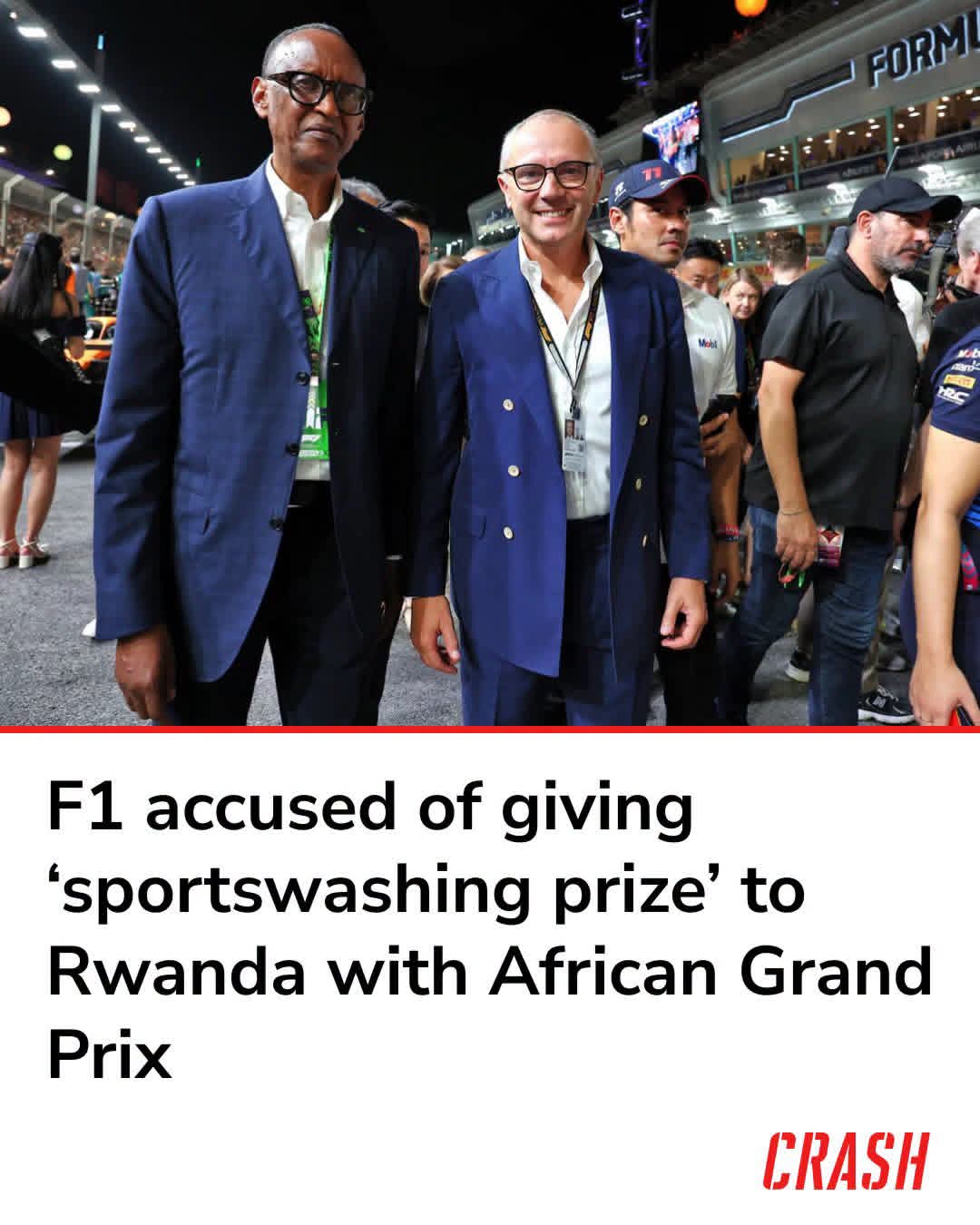
Formula 1 has been accused by Amnesty International of handing Rwanda a “sportswashing prize” after announcing a 10-year deal to stage an African Grand Prix on a new circuit in the country from the early 2030s. The agreement marks the sport’s planned return to the African continent for the first time since the 1993 South African Grand Prix, but it has immediately drawn sharp criticism from human-rights campaigners.
The controversy places Formula 1 in a familiar position: balancing global expansion and commercial opportunity against scrutiny of its choice of partners.
### THE DEAL AND WHAT IT ENTAILS
On Tuesday Formula 1 confirmed a long-term arrangement with Rwanda that will see a purpose-built circuit constructed in Bugesera, approximately 40 kilometres south of the capital Kigali. The race is expected to join the calendar in the early 2030s and will be presented in association with Visit Rwanda.
For Formula 1 the move represents a significant step in its stated ambition to grow the sport’s footprint across Africa and engage a potential audience of around 100 million people on the continent. A spokesperson framed the project as an opportunity for the sport to act as “a positive force for good.”
### AMNESTY INTERNATIONAL’S STRONG CONDEMNATION
Amnesty International UK has rejected that framing. Felix James, the organisation’s head of campaigns, described the 10-year Grand Prix as a sportswashing prize for the Rwandan authorities.
He pointed to a pattern of high-profile sports partnerships — including deals involving Arsenal, Aston Villa and the cycling world championships — that he argued are used to polish the country’s international image while deflecting attention from its human-rights record. Amnesty alleges that Rwandan authorities engage in arbitrary detention, torture and the repression of free speech.
The organisation also referenced United Nations findings concerning Rwanda’s alleged support for the M23 rebel group in the Democratic Republic of Congo. A UN report has accused M23 of serious abuses, including summary executions, torture, enforced disappearances, forced recruitment and widespread sexual violence. The UN has imposed sanctions on Rwanda, and the UK government previously suspended bilateral aid.
### THE SPORTSWASHING DEBATE IN MODERN FORMULA 1
Formula 1 is no stranger to accusations of sportswashing. Previous calendar expansions and sponsorship arrangements have drawn similar criticism when host nations or commercial partners face questions over governance, civil liberties or regional conflicts. The sport’s leadership has consistently maintained that racing can open dialogue, create economic opportunity and inspire new audiences, while insisting that it does not set foreign policy.
Critics counter that high-profile events confer legitimacy and positive global exposure that can outweigh, or at least dilute, negative coverage of a country’s domestic or regional record. The Rwanda deal has quickly become the latest flashpoint in that unresolved argument.
### WHAT HAPPENS NEXT
The circuit in Bugesera remains years from hosting its first Grand Prix. Construction, regulatory approvals, logistical planning and continued diplomatic monitoring will all shape whether the race reaches the calendar as currently envisaged. In the meantime, the announcement has already succeeded in focusing attention on both Formula 1’s expansion strategy and the human-rights concerns raised by Amnesty and the United Nations.
For Formula 1 the challenge is familiar: delivering on its commercial and sporting ambitions in new markets while navigating the ethical and reputational questions that increasingly accompany those decisions. For Rwanda the Grand Prix represents a high-visibility platform. For human-rights organisations it represents another example of sport being used to reshape international perception.
The coming years will determine which of those narratives ultimately defines the African Grand Prix.