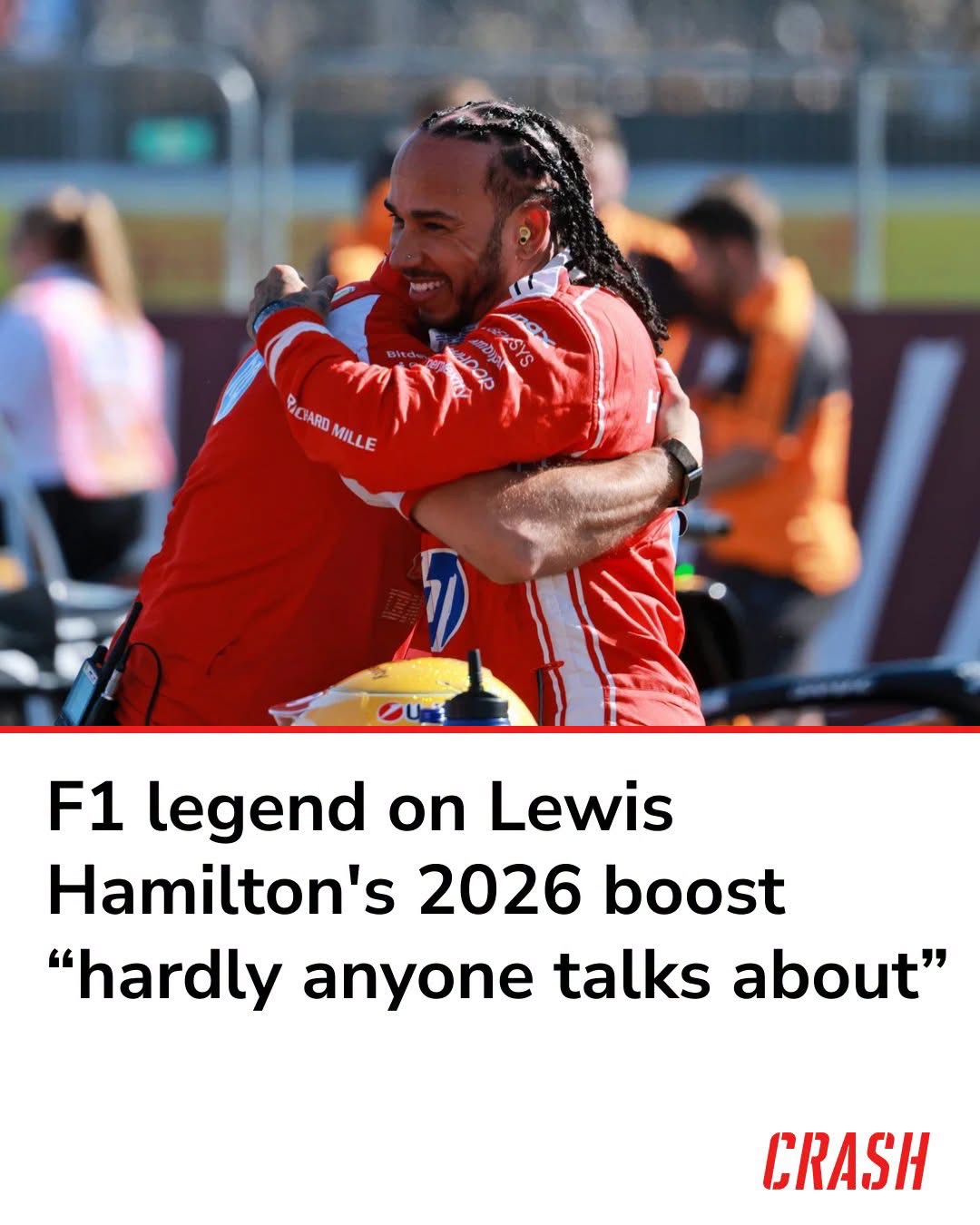
Lewis Hamilton’s recovery drive to third place at the Bahrain Grand Prix in Sepang may go down as one of the most significant results of his Ferrari chapter — and it was sealed by a call he made himself. In a chaotic 55-lap race won by Max Verstappen, with championship leader Kimi Antonelli second, Hamilton fought back from as low as 18th to claim his sixth podium of the 2026 season.
The decisive moment came early, and Ferrari team principal Fred Vasseur later confirmed the team deliberately left the choice in their driver’s hands.
### THE SAFETY-CAR MOMENT THAT CHANGED EVERYTHING
When Valtteri Bottas retired on lap 9 and the safety car was deployed, Hamilton was running down the order and approximately 83 seconds behind race leader Verstappen. Many drivers, including Charles Leclerc, elected to pit. Leclerc had already suffered front-wing damage and switched to intermediates, abandoning his dry-tyre strategy.
Hamilton, sitting on used softs, chose to stay out. At the time the decision looked risky. Dropping further back in the queue for fresh intermediate tyres could have buried him in traffic. Instead, the opposite occurred. The warmer, already-up-to-temperature softs allowed him to make rapid progress once the race resumed, while several cars that had pitted became stuck behind slower traffic.
### VASSEUR CONFIRMS HAMILTON WAS GIVEN FULL CONTROL
Post-race, Vasseur made clear that the call originated from the cockpit. “We let him have the choice,” the Ferrari principal told F1 TV. “At the end, in this situation, they are in the car. When we are telling him that we are ready, it’s just to tell him that he can pit if he thinks that it’s the right call.
“He did a very good race, very smooth strategy. He was able to do a mega long stint with a very good tyre management with the soft.”
That level of trust is notable. In previous seasons Hamilton has sometimes appeared constrained by rigid team protocols. In Sepang, Ferrari empowered their experienced driver to read the conditions and commit.
### TYRE MANAGEMENT THAT MADE THE STRATEGY WORK
Staying out was only half the battle. Hamilton then had to make the used softs last. He stretched the stint with impressive control, timing his eventual stop to coincide with Isack Hadjar and emerging in position to fight for the final podium place. When a later safety car bunched the field again, Hamilton executed the restart perfectly and passed Hadjar to secure third after George Russell’s retirement.
On a circuit that has historically rewarded overtaking, Hamilton’s progress through the field stood out as one of the cleanest and most decisive of the afternoon.
### HAMILTON’S OWN VERDICT: BITTERSWEET BUT GRATEFUL
The seven-time champion described the result as bittersweet. Ferrari’s early strategy calls had left him with a mountain to climb, and at one stage he believed the race was over. “After the race got going and I managed to keep it on track — which, I’m telling you, was so, so hard — I didn’t think that I’d be able to get back to third place,” he said. “So I’m very, very grateful for that and very happy with it.
“Obviously we had the wrong call in the beginning, which was so difficult and I could see everyone just pulling away. I could see on the screen it was a minute down, and I thought that was kind of race over for us. But I just kept my head down.”
### WHY THIS PODIUM CARRIES EXTRA WEIGHT
Hamilton had already delivered one of the stands-out qualifying performances of the season to start second despite a straight-line speed deficit. The race result converted that one-lap pace into points and provided further evidence that, when the car is in a competitive window and the strategy is flexible, he remains a formidable force.
For Ferrari the afternoon offered encouragement and frustration in equal measure. The pace to challenge at the front was present, yet early decisions and Leclerc’s damage prevented a stronger team result. Hamilton’s ability to salvage a podium from 18th demonstrated both his enduring quality and the value of giving a driver of his experience genuine agency.
### THE BIGGER PICTURE AFTER SEPLANG
In a season where reliability issues, strategic missteps and internal questions have often overshadowed strong individual performances, Hamilton’s Bahrain GP standout moment felt different. It was proactive rather than reactive. It was driven by racecraft and tyre knowledge rather than damage limitation.
Vasseur’s willingness to let Hamilton own the critical call may prove as important as the podium itself. Trust, once established, can become a competitive advantage. On a chaotic afternoon in Malaysia, that trust helped turn a potential disaster into one of the most satisfying results of Hamilton’s Ferrari career so far.