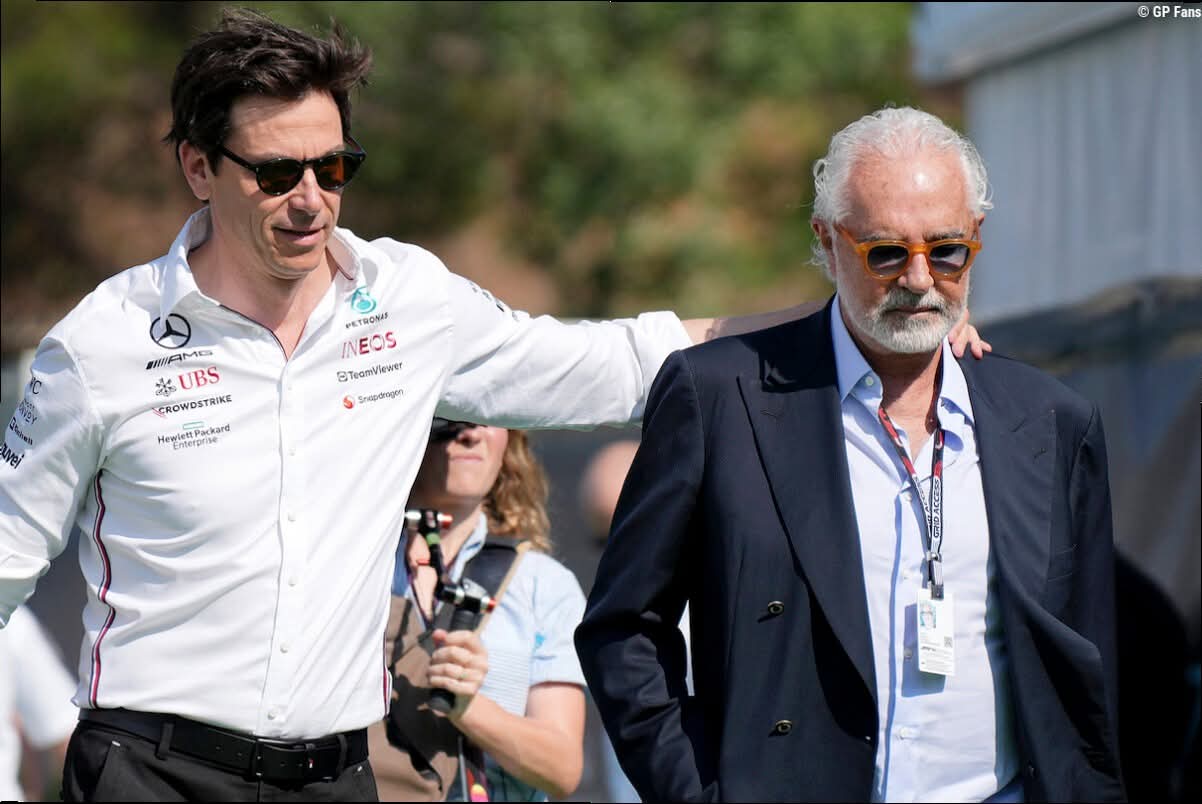
F1 team boss reveals ‘secret six months of negotiations’ after signing Mercedes star..F1 TEAM BOSS REVEALS ‘SECRET SIX MONTHS OF NEGOTIATIONS’ AFTER SIGNING MERCEDES STAR
A major Formula 1 move has once again highlighted just how long and carefully planned driver and personnel negotiations can be behind the scenes, with a team boss revealing that a significant deal was the result of months of private discussions.
The revelation has added another layer to the latest movement involving a Mercedes star, underlining the level of preparation that can go into Formula 1 signings long before an announcement reaches the public.
In Formula 1, contract announcements can sometimes appear to happen suddenly. A driver or senior figure can be confirmed by a new team, triggering immediate headlines across the paddock. However, the reality is often very different, with negotiations taking place privately for months before an agreement is officially announced.
That has once again been demonstrated by the latest Mercedes-related signing.
MONTHS OF PRIVATE DISCUSSIONS
The team boss explained that the negotiations had remained largely away from public attention for around six months. During that period, discussions reportedly involved the timing of the move, contractual arrangements and the practical steps required before the new arrival could begin working with the team.
Such negotiations are particularly complicated in Formula 1 because senior personnel and drivers are often tied to existing contracts. A deal can therefore be agreed long before the individual actually joins their new organization.
The situation is also familiar across the sport. Mercedes, Ferrari, Red Bull and other leading teams regularly plan recruitment years in advance because technical staff and senior personnel can be subject to lengthy notice periods or gardening leave.
Ferrari’s recruitment of former Mercedes performance director Loïc Serra is one example. Ferrari announced the agreement in 2023, but Serra’s existing Mercedes contract meant his arrival was delayed until 2025. Ferrari team principal Fred Vasseur explained that recruitment in Formula 1 often operates on much longer timelines than fans might expect.
WHY F1 NEGOTIATIONS CAN TAKE SO LONG
The six-month negotiation period reflects the complexity of the modern Formula 1 environment.
A team’s recruitment strategy is not simply about identifying a talented individual and offering a contract. Teams must consider contractual obligations, technical information, gardening leave, start dates and the potential competitive implications of bringing someone from a rival organization.
This is especially important when the person being recruited has worked for a major manufacturer-backed team such as Mercedes.
The movement of personnel between teams has previously created significant debate throughout the paddock. When former FIA technical chief Marcin Budkowski was recruited by Renault, rival teams raised concerns about the knowledge he could bring with him. A similar dispute emerged when Ferrari recruited FIA safety delegate Laurent Mekies.
Those cases demonstrated why Formula 1 teams frequently negotiate months ahead of an individual’s actual arrival.
MERCEDES CONNECTION ADDS INTEREST
The latest signing is particularly notable because of the Mercedes connection.
Mercedes has been one of the defining organizations of the modern Formula 1 era, building a highly structured operation around technical development, driver management and long-term planning.
Any departure from the organization can therefore attract significant attention, particularly when the individual is moving to another competitive team.
The timing of such a move can also become important. A team may agree a deal months in advance but be unable to immediately use the individual’s expertise because of contractual restrictions.
That means the announcement of a signing does not necessarily indicate an immediate change to a team’s competitive operation.
A FAMILIAR PATTERN IN F1
Formula 1 has repeatedly demonstrated that some of its biggest moves begin quietly.
Lewis Hamilton’s Mercedes contract negotiations, for example, have previously taken place behind closed doors before official announcements. In 2021, Hamilton and Mercedes negotiated a new two-year agreement after earlier contract discussions had already taken place.
Hamilton’s eventual move from Mercedes to Ferrari also showed how quickly a driver’s public situation can change after months of private planning. Hamilton had signed a new Mercedes contract in 2023 before announcing his decision to activate an option that allowed him to leave for Ferrari for the 2025 season.
The latest revelation therefore fits into a wider pattern of Formula 1 business: major moves are frequently prepared well before fans are given confirmation.
THE IMPORTANCE OF TIMING
For the team completing the signing, the six-month negotiation period could prove important beyond the announcement itself.
Planning ahead allows an organization to prepare its technical structure, management arrangements and operational strategy around the arrival of a new member.
It also gives teams time to manage the transition from one organization to another.
In some cases, a new employee may not be able to contribute immediately because of gardening leave. Instead, teams must wait until contractual restrictions expire before the individual can officially begin work.
This is particularly common when highly experienced technical staff move between rival teams.
WHAT THE REVELATION MEANS
The biggest takeaway from the team boss’s comments is that the Formula 1 transfer market often operates much earlier than the public realizes.
While fans may learn about a signing through a short announcement, the agreement behind it can involve months of meetings, negotiations and legal discussions.
The latest Mercedes-related move provides another example of that process.
It also demonstrates how competitive Formula 1 has become away from the racetrack. Teams are not only competing for points, victories and championships; they are also competing for the people who design, develop and operate their cars.
That makes recruitment an important part of the wider championship battle.
For the team involved, keeping the negotiations confidential for six months allowed the agreement to develop without becoming a prolonged public story.
Now that details of the discussions have emerged, attention will turn to what the signing can contribute once the move is fully completed.
The story also serves as a reminder that Formula 1’s biggest changes rarely happen overnight. Behind many official announcements are months — and sometimes years — of planning.
With the Mercedes connection now confirmed as a central part of the latest move, the signing is likely to remain an important talking point as teams continue shaping their long-term structures.
For supporters, the next stage will be watching how the new arrival fits into the team’s plans and whether the lengthy negotiations ultimately translate into results on the track.