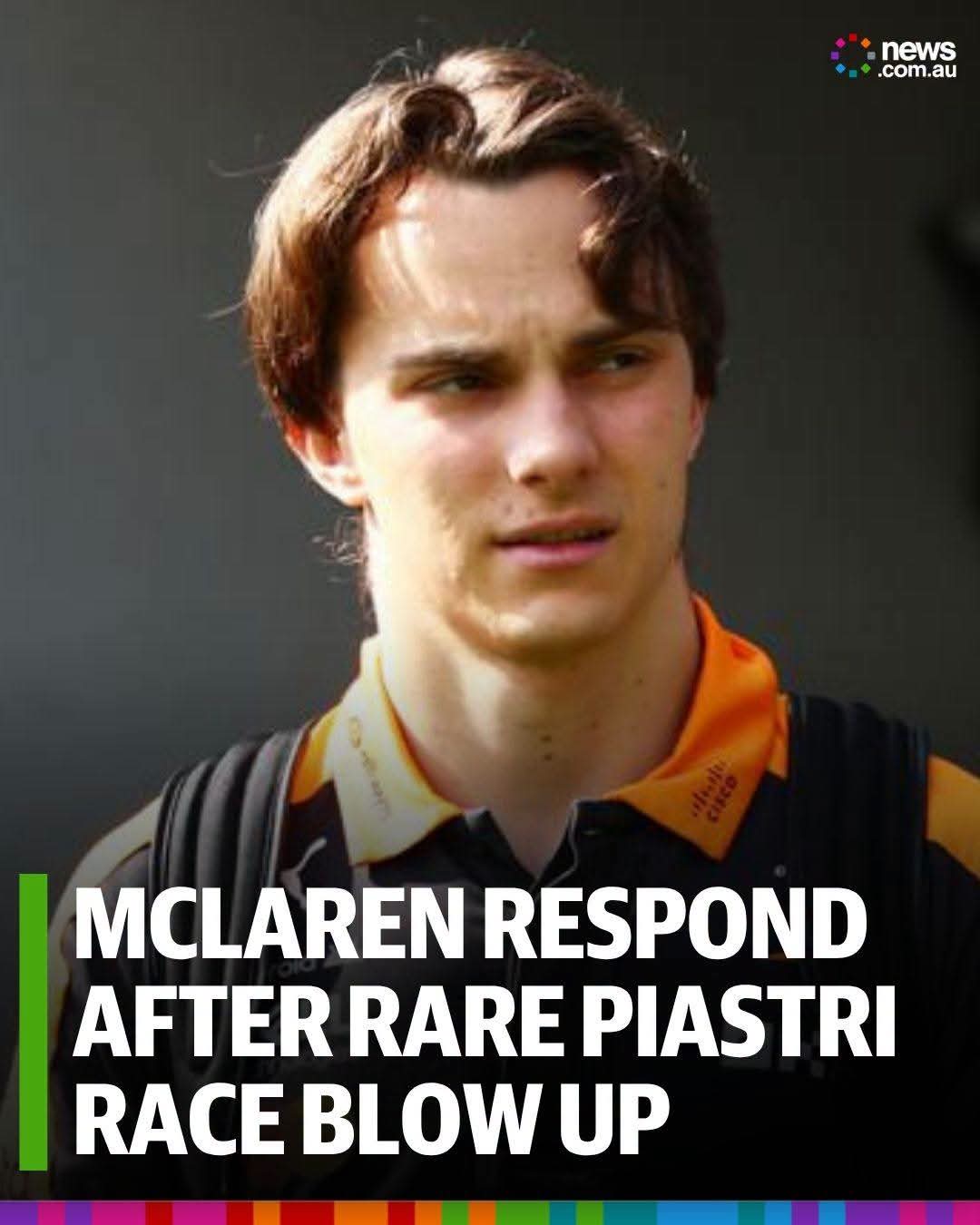
Oscar Piastri rarely lets emotions spill over the team radio, but the Hungarian Grand Prix produced one of the most revealing moments of his Formula 1 career. After appearing on course to challenge for victory, the Australian vented his frustration at McLaren following a sequence of events that dramatically changed the outcome of the race.
The radio exchange quickly became one of the biggest talking points from the weekend, with fans questioning whether tensions were beginning to emerge between McLaren’s two drivers. However, team principal Andrea Stella has moved quickly to calm speculation, insisting Piastri’s comments were simply the reaction of a driver whose race had been turned upside down by circumstances beyond his control.
PIASTRI’S PROMISING RACE UNRAVELED IN DRAMATIC FASHION
Piastri looked like the driver to beat during the opening stages of the Hungarian Grand Prix.
After overtaking pole-sitter Lando Norris on the opening lap, the Australian settled into the lead and appeared to have the pace to fight for what could have been another important victory in his Formula 1 career.
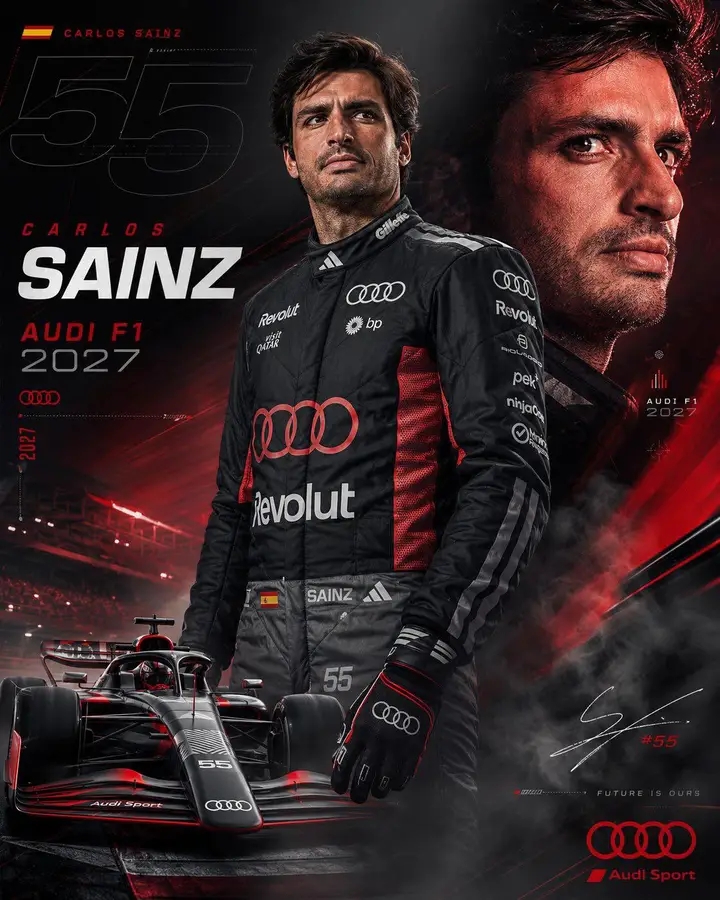
Everything changed, however, when he became involved in an incident with Williams driver Carlos Sainz. The contact cost Piastri valuable time and disrupted the rhythm he had built while leading the race.
The setback proved costly. During the pit stop cycle, Norris capitalized on the opportunity to leapfrog his teammate, fundamentally changing the complexion of McLaren’s race.
THE RADIO MESSAGE THAT CAUGHT EVERYONE’S ATTENTION
As the race slipped away, Piastri’s frustration became evident over team radio.
Reacting to the strategy and circumstances surrounding the pit stops, the Australian sarcastically remarked, “Nice of you guys to factor that one in by the way, thanks.”
The comment immediately sparked speculation that Piastri was unhappy with McLaren’s strategy decisions or believed the team had favored Norris.
However, once emotions settled after the checkered flag, Piastri offered a much more measured assessment.
He acknowledged that McLaren had little choice but to pit Norris when the opportunity arose and admitted the team could not compromise one driver’s race simply because another had been delayed by an unfortunate incident.
It was a reminder that emotions during a Grand Prix often differ dramatically from a driver’s perspective once the race has been fully analyzed.
ANDREA STELLA DEFENDS HIS DRIVER
McLaren team principal Andrea Stella wasted little time addressing the growing discussion surrounding Piastri’s radio comments.
Rather than viewing the exchange as evidence of internal friction, Stella described it as a completely understandable emotional reaction from a driver who had watched a likely victory disappear through no fault of his own.
According to Stella, the team recognized that Piastri’s frustration stemmed primarily from the collision with a backmarker, not from dissatisfaction with McLaren’s strategy.
He also pointed out that Norris produced exceptional pace once released into clean air, allowing him to build a decisive advantage regardless of the earlier circumstances.
By publicly backing Piastri, Stella reinforced McLaren’s commitment to maintaining harmony between two highly competitive teammates.
WHY THE TEAM HAD LITTLE CHOICE
Formula 1 strategy rarely allows teams the luxury of making decisions based solely on fairness.
McLaren’s responsibility is to maximize the overall race result, and when Norris had the opportunity to gain track position through strategy, delaying his pit stop would have risked compromising both cars.
Had McLaren intentionally sacrificed Norris’s race to preserve Piastri’s lead, the team would likely have faced criticism for failing to optimize its chances of victory.
Instead, the pit wall made the decision that offered the strongest overall result, even though it left one driver understandably disappointed.
This is one of the greatest challenges for any team running two drivers capable of winning races.
TEAMMATE RIVALRIES ARE PART OF SUCCESSFUL FORMULA 1 TEAMS
History shows that championship-winning Formula 1 teams almost always experience moments of internal tension.
Whether it was Ayrton Senna and Alain Prost, Lewis Hamilton and Nico Rosberg, or more recent teammate rivalries, elite drivers naturally want every strategic decision to work in their favor.
McLaren appears determined to prevent similar frustrations from escalating.
The immediate response from both Piastri and Stella suggests the team has built an environment where emotional moments can be discussed openly without creating lasting divisions.
That culture could become increasingly important as both drivers continue fighting for victories throughout the remainder of the season.
McLAREN’S BIGGER PICTURE REMAINS EXTREMELY POSITIVE
Despite the headlines surrounding the radio exchange, Hungary was ultimately a successful weekend for McLaren.
Norris secured his first victory of the season, the team’s overall pace looked among the strongest on the grid, and Piastri once again demonstrated that he possesses the speed to consistently challenge for wins.
The frustration came not because McLaren lacked performance, but because circumstances prevented the team from potentially securing a dominant one-two finish.
That is a far better problem to have than struggling for competitiveness.
WHAT THIS MEANS FOR THE CHAMPIONSHIP BATTLE
The Hungarian Grand Prix may prove to be a turning point for McLaren’s 2026 campaign.
Norris has regained momentum with a confidence-boosting victory, while Piastri has shown enough pace to believe more wins are within reach once luck swings back in his favor.
For Andrea Stella, managing the relationship between two race-winning drivers will become increasingly important as the season progresses.
If McLaren continues producing one of the fastest cars on the grid, similar situations are almost inevitable.
The key will not be preventing emotional radio messages—they are part of elite motorsport—but ensuring those emotions never damage the unity that has helped transform McLaren into one of Formula 1’s strongest contenders once again.
Based on the team’s calm and transparent response after Hungary, McLaren appears well-equipped to handle those challenges as it continues its pursuit of victories and championship success.