## THE STORY THAT NEVER HAPPENED
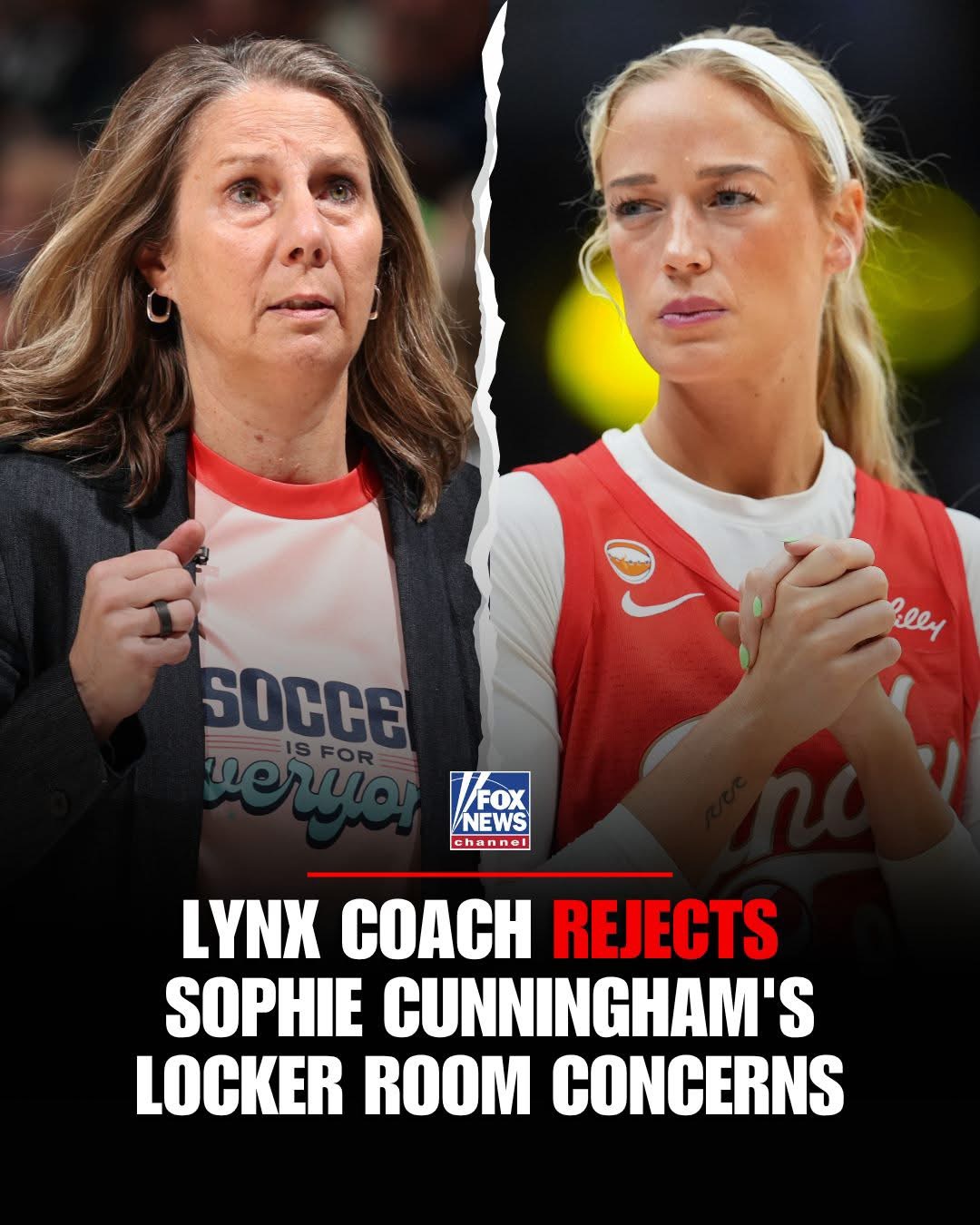
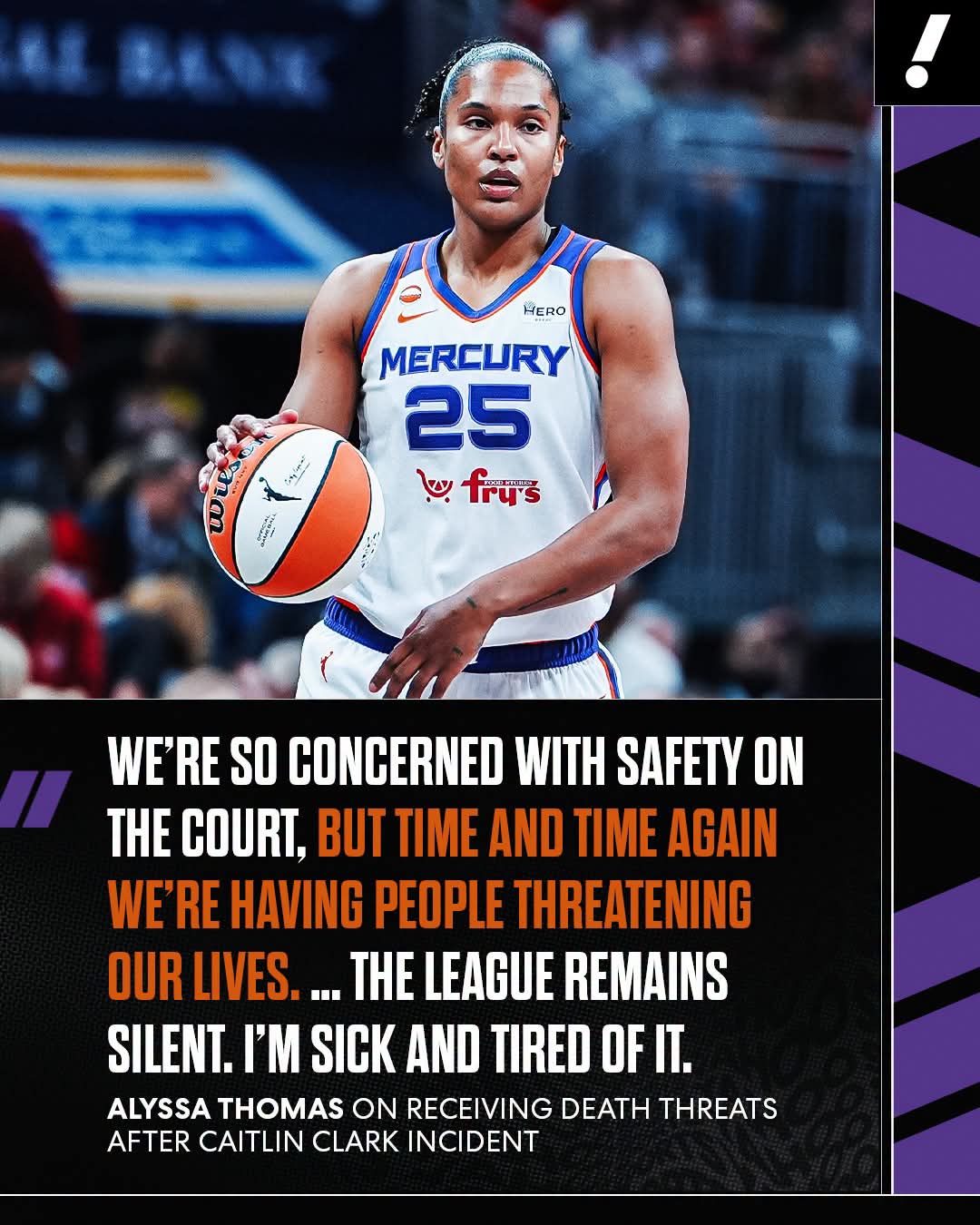
If you scrolled through certain corners of the internet this week, you may have seen a headline claiming the WNBA suspended Phoenix Mercury guard Sophie Cunningham for five games — or one game, depending on which version of the story you read — over comments she made about transgender athletes in women’s sports.
There’s just one problem: none of it is true.
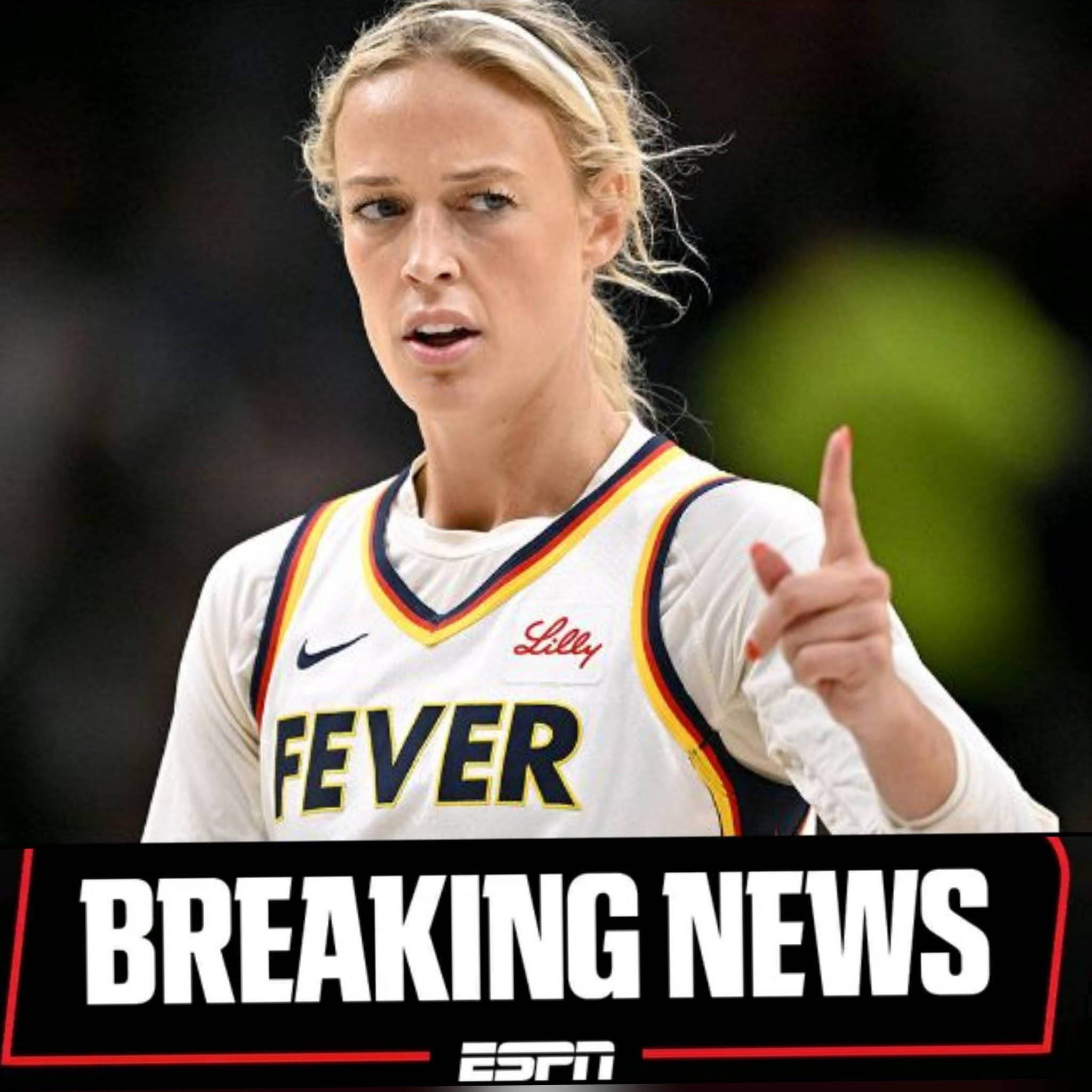
Cunningham doesn’t play for the Phoenix Mercury. She’s a guard for the Indiana Fever, a fact that any outlet actually covering the WNBA would get right in the first sentence. There was no league statement announcing a suspension. There was no viral apology post from Cunningham expressing regret. And according to multiple sports and political outlets that have covered this story in real time over the past several days, the opposite happened — the WNBA took no disciplinary action against her at all, despite a very loud and very public push from parts of the internet demanding exactly that.
This is a case study in how quickly a plausible-sounding sports headline can spread, get shared, and get believed, even when it collapses under two minutes of fact-checking.
## WHAT ACTUALLY HAPPENED WITH SOPHIE CUNNINGHAM
The real story is genuinely newsworthy on its own, which is part of why the fake version was able to piggyback on it so easily.
Cunningham, one of the WNBA’s more outspoken and polarizing personalities, gave an extensive interview to ESPN in which she addressed the ongoing debate over transgender athletes competing in women’s sports. She pushed back on the idea that her position amounts to hatred, framing her stance instead as one rooted in protecting “young girls in a locker room” who she believes shouldn’t have to compete against “biological men.” When reporters followed up days later, she didn’t walk the comments back — she doubled down, calling her position “kind of common sense” and adding that she considers herself “not a very political person” despite the firestorm the comments created.
The reaction split predictably along familiar lines. Critics accused her of using rhetoric that stigmatizes transgender people and questioned why the league’s “No Space for Hate” platform — a real WNBA initiative aimed at protecting players from harassment — wouldn’t apply to comments some players and fans found harmful. Supporters, including figures like J.K. Rowling and Riley Gaines, along with commentary from White House press secretary Karoline Leavitt indicating the administration agreed with Cunningham’s position, held her up as someone willing to say what plenty of athletes reportedly believe privately but won’t say publicly.
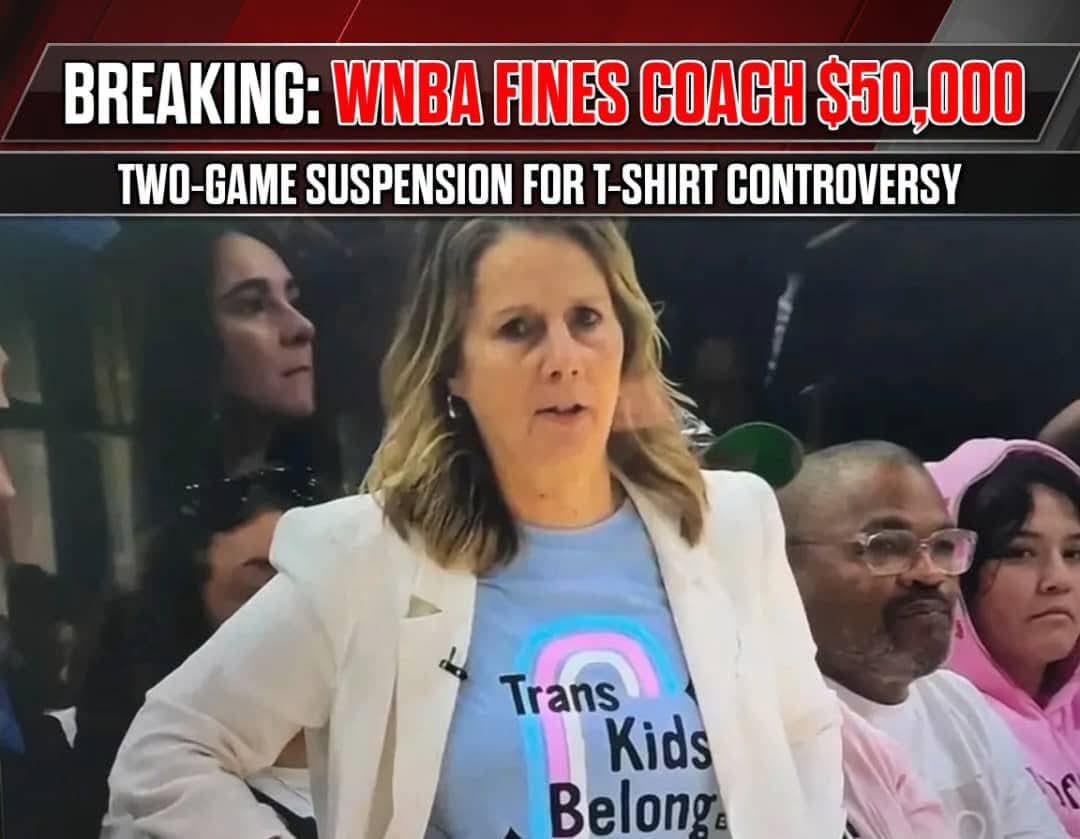
What didn’t happen: a suspension. What did happen: the WNBA, as of this writing, has stayed silent on formal discipline, even as comparisons circulated to Indiana coach Sandy Brondello, who did serve an actual one-game suspension earlier this year for separate remarks about Angel Reese.
## WHY THIS MATTERS BEYOND ONE PLAYER
It’s tempting to treat this as a niche story about one athlete’s opinions and one bad blog post. But the gap between the real story and the fabricated one says something bigger about where sports media is heading.
**The WNBA is now a genuine culture-war battleground.** A decade ago, a guard’s personal views on a hot-button social issue wouldn’t have generated White House commentary. Today, a single ESPN quote from a role player can become a talking point in national politics within 48 hours. That’s a reflection of how much the league’s visibility has exploded — more eyeballs, more sponsorship dollars, more scrutiny of everything players say and do.
**Fabricated sports stories are getting harder to spot.** The fake version of this story wasn’t some obviously absurd conspiracy theory. It used a real athlete’s name, a real controversy, real-sounding league language about “commitment to an inclusive environment,” and even a fabricated apology quote written in a voice that sounded plausible. That’s the pattern with a lot of low-quality or AI-generated sports content now: it doesn’t invent a new scandal, it distorts a real one just enough to be shareable, and internal inconsistencies (like a headline saying “5 games” while the body says “one game”) often get missed because outrage travels faster than editing does.
**Leagues face real incentive tension.** The WNBA has built part of its brand identity around inclusivity messaging. That makes stories claiming swift, decisive league punishment for “anti-inclusive” comments inherently believable to a lot of readers, whether or not they’re accurate — which is exactly why they spread so easily.
## THE COMMERCIAL INCENTIVES BEHIND FAKE SPORTS NEWS
There’s a simple reason stories like this get written and published even when they’re false: they perform well. A suspension headline involving a name-brand athlete and a hot-button social issue checks every box for engagement — it’s short, emotionally charged, and easy to share without reading past the headline. Ad-supported content farms have every incentive to produce these stories quickly, since the traffic spike often happens before anyone fact-checks the claim, and by the time it’s debunked, the page has already been monetized.
This isn’t unique to the Cunningham situation. Fabricated player suspensions, fake trade rumors, and invented “shocking retirement” stories have become a recurring genre precisely because sports fans are primed to believe dramatic news about their teams and rivals without demanding much verification first.
## WHAT TO WATCH GOING FORWARD
A few things are worth tracking as this story continues to develop:
– **Whether the WNBA issues any statement at all.** Silence from the league office is itself a decision, and continued silence will likely be read by both sides as confirmation of their existing view — either that the league is protecting a star player from consequences, or that it’s rightly staying out of a political debate.
– **Whether Cunningham’s stance affects her standing with sponsors or teammates.** So far there’s no indication of fallout inside the Fever organization, and Caitlin Clark and the team have reportedly kept their distance from related political controversies rather than commenting directly.
– Whether more fabricated versions of this story circulate. Once one fake “suspension” narrative gets traction, it’s common for copycat versions to appear with slightly different details — different game counts, different quotes, different outlets cited — making it even harder for casual readers to identify which version, if any, is accurate.
THE BOTTOM LINE
Sophie Cunningham is at the center of a real and legitimately significant controversy about transgender athletes in women’s sports — one involving actual ESPN interviews, actual political reactions, and actual debate over WNBA policy. But the specific claim that she was suspended is fabricated. No games were missed. No apology was issued. No league discipline occurred, at least as of this writing.
The lesson isn’t really about one athlete or one bad blog post. It’s a reminder that in an era where sports stories can be manufactured, embellished, or subtly altered in minutes, the most valuable skill for a fan isn’t reading the headline fast — it’s checking whether the story underneath it is actually true.
This article reflects reporting available as of July 26, 2026. Given how quickly this story is evolving, readers should check current WNBA and Indiana Fever statements for the latest developments.